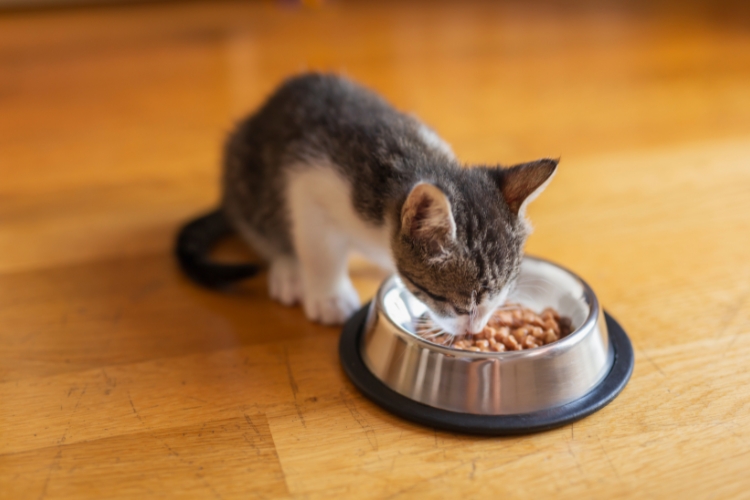
Bringing a new kitten into your home is an exciting experience filled with curiosity, playfulness, and bonding. However, along with joy comes responsibility—especially when it comes to nutrition. What your kitten eats during the early months of life directly affects growth, immunity, digestion, and long-term health. Because kittens grow rapidly, they require specific nutrients in precise amounts to support proper development.
Choosing the right food early helps prevent common health problems while promoting strong bones, healthy muscles, and an active lifestyle. Although store shelves are filled with countless options, not all foods meet a kitten’s unique nutritional needs. This guide explains how to select the best food for kittens using veterinarian-approved recommendations, with helpful insights tailored for local pet parents in Hartsdale, NY.
Why Proper Nutrition Is Essential for Kittens
Kittens are not simply small cats. Instead, their bodies are constantly changing as organs, muscles, and immune systems develop. Because of this, kittens need higher levels of protein, fat, and essential nutrients than adult cats.
During the first year of life, nutrition fuels brain development, strengthens bones, and supports a healthy immune response. Without proper nourishment, kittens may experience slow growth, digestive upset, or weakened resistance to illness. Therefore, providing the right food from the beginning creates a strong foundation for lifelong wellness and responsible kitten care.
Key Nutrients Every Kitten Needs
Understanding nutritional requirements makes it easier to choose high-quality food. A complete and balanced kitten diet includes the following essential components.
High-Quality Protein
Protein supports muscle development, tissue repair, and overall growth. Because kittens are obligate carnivores, they rely on animal-based protein sources. Chicken, turkey, fish, and lamb provide essential amino acids that kittens cannot produce on their own.
Look for kitten food containing at least 30 percent protein from real meat sources. High protein levels help kittens stay energetic and support proper physical development.
Healthy Fats
Fat provides concentrated energy and supports brain development. In addition, omega-3 and omega-6 fatty acids promote healthy skin and a shiny coat. Since kittens burn energy quickly, adequate fat intake keeps them active and alert.
Most veterinarian-approved kitten foods contain 18 to 25 percent fat, which supports both growth and nutrient absorption.
Controlled Carbohydrates
Although cats do not require carbohydrates, small amounts help provide energy and improve texture. Easily digestible carbohydrates such as rice or sweet potatoes are preferable. However, excessive carbohydrates may lead to weight gain or digestive issues.
Vitamins and Minerals
Calcium and phosphorus strengthen bones and teeth, while vitamin A supports vision and immune health. Taurine, an essential amino acid, plays a critical role in heart function and eye development. A complete kitten formula includes these nutrients in balanced proportions.
Adequate Hydration
Water supports digestion, kidney health, and temperature regulation. While dry food offers convenience, wet food contributes valuable moisture. Always provide access to clean, fresh water regardless of feeding method.
Best Food Options for Kittens
Once you understand nutrient needs, selecting the right food becomes easier. Several feeding options support healthy growth when chosen carefully.
Wet (Canned) Food
Wet food provides high moisture content, which supports hydration and urinary health. It often contains higher protein levels and fewer carbohydrates. Additionally, soft texture makes it easier for kittens to chew and digest.
Many veterinarians recommend incorporating wet food into a kitten’s diet, especially during early development.
Dry Food (Kibble)
Dry food offers convenience and longer shelf life. When choosing kibble, ensure the formula is designed specifically for kittens. High-quality kibble supports dental health by gently scraping teeth during chewing.
However, because dry food lacks moisture, it should always be paired with adequate water intake.
Combination Feeding
Many pet owners choose a mixed feeding approach. Combining wet and dry food provides hydration, dental support, and dietary variety. This approach also helps kittens adapt to different textures, reducing pickiness later in life.
Homemade Diets
While some owners prefer homemade meals, this option requires careful planning. Nutritional imbalances can easily occur without professional guidance. Always consult a veterinarian before preparing homemade kitten food to ensure complete nutrition.
Veterinarian-Recommended Kitten Food Brands
Veterinarians often recommend brands that invest in scientific research and quality control. Trusted kitten food options include:
- Royal Canin Kitten Formula – Tailored nutrition for digestive health and immune support
- Hill’s Science Diet Kitten – Balanced nutrients with high-quality ingredients
- Wellness CORE Kitten Formula – Protein-rich, grain-free option
- Blue Buffalo Healthy Growth Kitten – Natural ingredients with added vitamins and minerals
Always confirm that packaging specifies “complete and balanced for kittens.”
How Often Should You Feed a Kitten?
Kittens have small stomachs and high energy demands. Because of this, feeding frequency matters.
- 8–12 weeks: Four small meals per day
- 3–6 months: Three meals per day
- 6–12 months: Transition to two meals per day
Consistent feeding schedules help regulate digestion and energy levels. Gradually adjust portions based on growth and activity.
Local Considerations for Raising Healthy Kittens
Environmental factors influence feeding routines and hydration needs. Seasonal temperature changes may affect appetite and water consumption. During warmer months, hydration becomes especially important, while cooler months may require increased calorie intake for energy.
Regular veterinary visits ensure that feeding plans remain appropriate as kittens grow. Professional guidance supports responsible kitten care and helps prevent nutritional deficiencies.
Choosing the right food is one of the most important decisions you make for your kitten’s health. A balanced diet rich in protein, healthy fats, and essential nutrients supports strong growth, digestion, and immunity. With veterinarian guidance and consistent feeding habits, your kitten can thrive from the very beginning.
If you are in Hartsdale, NY, and need guidance on the best food for kittens, book an appointment with Hartsdale Veterinary Hospital. Our veterinary team provides personalized nutrition advice to support your kitten’s long-term health and well-being.
FAQs
Q1. What type of food is best for kittens during their first year?
Ans. Kittens need food specially formulated for growth, containing higher levels of protein, fat, and essential nutrients to support healthy development.
Q2. How can I tell if my kitten is eating the right amount?
Ans. A healthy kitten should be energetic, maintain steady weight gain, and have normal digestion. Your veterinarian can confirm portion sizes based on age and growth rate.
Q3. Is wet food necessary for kittens?
Ans. Wet food is beneficial because it provides extra moisture and is easy to digest, but it can be combined with dry food for balanced nutrition.
Q4. When should I switch my kitten to adult cat food?
Ans. Most kittens can transition to adult cat food around 12 months of age, once growth slows and nutritional needs change.
Q5. Are grain-free diets safe for kittens?
Ans. Grain-free diets can be safe if they are complete and balanced for kittens. Always choose veterinarian-approved formulas.
Q6. What signs indicate my kitten’s diet may not be suitable?
Ans. Poor coat condition, low energy, digestive upset, or slow growth may signal the need for dietary adjustment and veterinary guidance.