
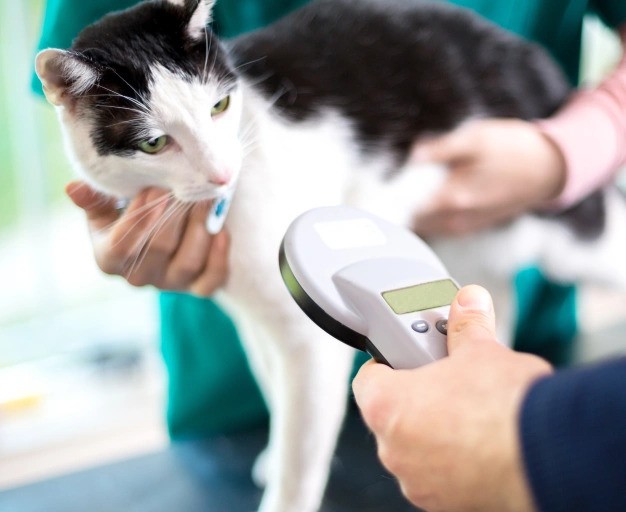
Moving to a new home can be exciting, but it also comes with a lot of changes—especially when it comes to taking care of your pets. One important step many pet owners overlook during a move is updating their pet’s microchip information. Microchipping is a simple, effective way to ensure your pet can be identified and returned to you if they ever get lost. However, the contact information linked to that microchip must be kept up to date to ensure it works as intended.
This blog is specifically for pet owners in Hartsdale, NY, who need to update their pet’s microchip information after a move. In this guide, we’ll walk you through the importance of keeping your pet’s microchip details current, how to update your information, and what to do if your pet’s microchip is not registered properly.
Whether you’re moving across the street or across the country, updating your pet’s microchip information is crucial for their safety. Keep reading to ensure your pet’s identification is always accurate, no matter where you live.
The Need to Update Your Pet’s Microchip Information
A microchip is a tiny device implanted under your pet’s skin that stores important identification information, which a special scanner can read. Microchipping is one of the most reliable ways to ensure your pet can be identified and returned to you if they go missing. The microchip doesn’t rely on batteries or GPS; instead, it works by emitting a unique identification number that’s registered in a database.
While the microchip itself is permanent and doesn’t require recharging, the contact details associated with it are crucial. If you move and don’t update your pet’s microchip information, the system will still be linked to your old address or phone number. It can make it difficult for animal shelters or veterinarians to contact you if your pet gets lost.
How to Update Your Pet’s Microchip Information
Updating your pet’s microchip information is simple, but it’s important to follow the correct steps. Here’s how you can update your pet’s details:
1. Locate Your Pet’s Microchip Number
Before you can update your pet’s information, you’ll need to know the unique microchip number. If you don’t have it readily available, you can have the veterinary clinic scan your pet to retrieve the number. The number is usually found on the registration paperwork or on a tag attached to your pet’s collar.
2. Find Your Microchip Registry
When your pet’s microchip is implanted, it is registered with a microchip registry. There are several different microchip companies, so it’s important to know which one is associated with your pet’s chip. If you’re unsure which registry holds your pet’s information, you can ask the veterinarian or check your pet’s paperwork.
Some common microchip registries include:
- HomeAgain
- AKC Reunite
- 24PetWatch
- PetLink
3. Update Your Contact Information
Once you’ve identified your pet’s registry, visit their website and log in to your account. Most registries allow you to make updates online, including changing your phone number, email address, or physical address. If you don’t have an online account, you may need to call the registry’s customer service line to make the changes.
Make sure to update all your contact information, including emergency contacts, so the system can reach you if your pet goes missing. Some registries may charge a small fee for making updates, while others offer this service for free.
4. Confirm the Update
After updating your pet’s information, make sure to confirm the changes with the registry. Some registries will send you a confirmation email or update your account details directly. It’s a good idea to double-check your contact information to make sure everything is accurate.
Things to Do if You Can’t Find Your Pet’s Microchip Number
In some cases, you may not have access to your pet’s microchip number. If you don’t have the paperwork, or if you’ve moved and no longer have access to the original registry, don’t worry. Here’s what to do:
1. Visit the veterinarian
The veterinarian can scan your pet’s microchip and provide you with the unique ID number. Scanning only takes a few seconds, and it’s a painless process for your pet.
2. Contact the Microchip Registry
Once you have the microchip number, you can contact the microchip registry directly to update your contact details. Some registries may ask for additional proof of ownership before allowing you to make updates.
How Often Should You Check and Update Your Pet’s Microchip Information?
It’s important to regularly check and update your pet’s microchip information, especially if you move or change your contact details. While there’s no set rule for how often you should update your pet’s microchip info, we recommend checking it at least once a year during your pet’s annual wellness exam.
Additionally, you should update the information anytime:
- You move to a new address.
- You change your phone number or email address.
- You adopt or rehome your pet.
- You change your emergency contact information.
By keeping your pet’s information up to date, you ensure they have the best chance of being returned to you if they ever get lost.
The Benefits of a Microchip for Your Pet’s Safety
A microchip is one of the most effective tools for ensuring your pet’s safety. Here’s why:
1. Permanent Identification
Unlike tags or collars that can be lost or removed, a microchip is a permanent form of identification. Once it’s implanted, it stays with your pet for life, making it an invaluable tool for pets that spend a lot of time outside or those prone to wandering.
2. Helps Reunite Lost Pets with Owners
If your pet gets lost, a microchip dramatically increases the chances of being reunited with you. Shelters and veterinarians scan lost pets for microchips and can contact you quickly if your pet is found.
3. Peace of Mind
Knowing that your pet is microchipped gives you peace of mind, especially during travel. Even if your pet escapes from a boarding facility, a microchip ensures they can be traced back to you.
4. Non-Invasive
The process of implanting a microchip is simple, quick, and non-invasive. It’s a routine procedure that can be done during a wellness exam or spay/neuter surgery.
Keep Your Pet Safe With Updated Microchip Information
Updating your pet’s microchip information after a move is essential for ensuring their safety and well-being. A microchip is a permanent, reliable form of identification that can help reunite you with your pet if they become lost. By following the steps outlined in this guide, you can easily keep your pet’s information up to date and ensure they’re always protected.
If you’re in Hartsdale and need help with microchipping near you or updating your pet’s information, schedule a consultation with Hartsdale Veterinary Hospital for assistance. Our team can help scan your pet’s microchip, guide you on updating your contact details, and offer advice on other aspects of pet safety.
FAQs
1. How do I update my pet’s microchip information?
To update your pet’s microchip information, contact the microchip registry where your pet is registered. You can update your contact details online or by calling the registry.
2. How do I know which registry my pet’s microchip is registered with?
Check your pet’s paperwork for the microchip number or ask the vet to scan your pet’s chip. Once you have the number, you can search for the registry it’s associated with.
3. Can I update my pet’s microchip information if I’ve moved to a new country?
Yes, you can update your pet’s microchip information even if you’ve moved internationally. Contact the microchip registry to make the necessary updates.
4. How often should I check my pet’s microchip information?
It’s a good idea to check and update your pet’s microchip information at least once a year, or anytime you change your address, phone number, or emergency contact details.
5. Can my pet’s microchip be removed?
No, once a microchip is implanted, it cannot be removed. It’s a permanent form of identification that stays with your pet for life.
6. What happens if I don’t update my pet’s microchip information?
If you don’t update your pet’s microchip information, you may not be contacted if your pet goes missing. Keeping your contact details up to date ensures you can be reached if your pet is found.