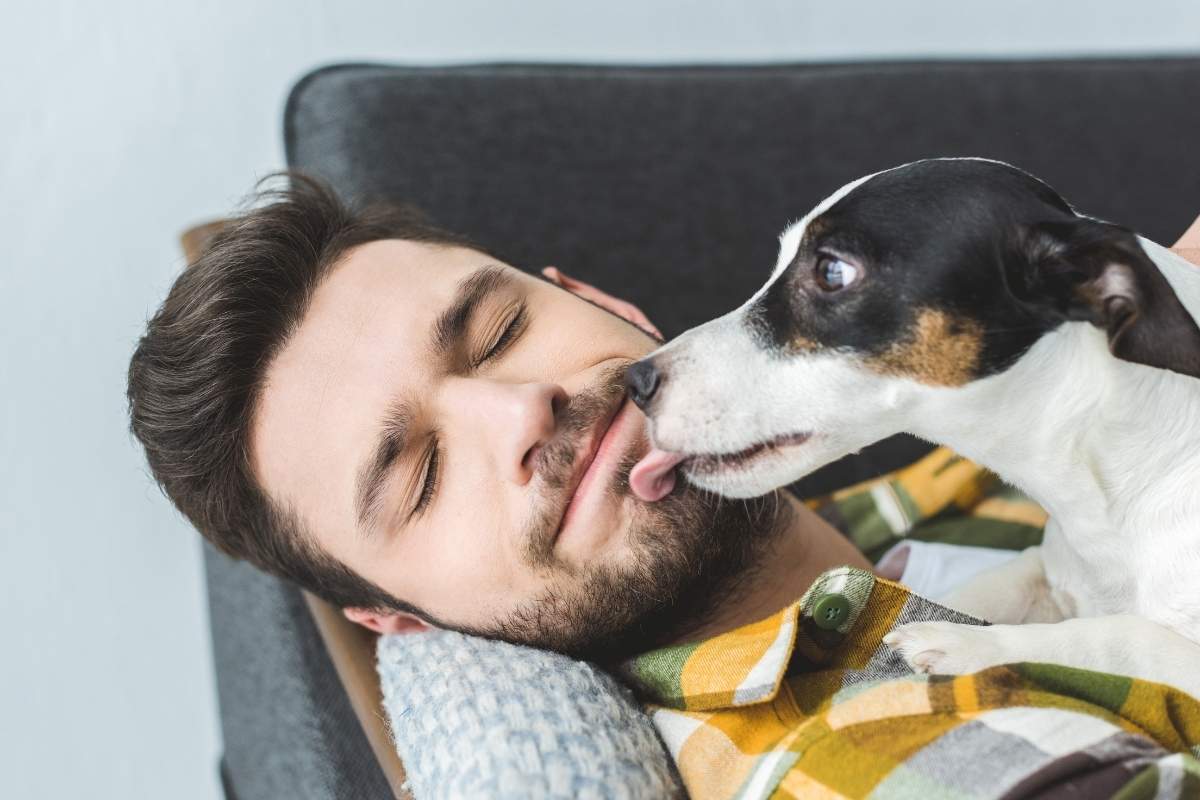
Dogs naturally lick themselves, their owners, and even household objects from time to time. Licking can be a way for dogs to groom, communicate, or soothe themselves. However, when licking becomes constant, obsessive, or excessive, it may be a sign that something deeper is going on. From allergies and skin irritation to pain and behavioral concerns, excessive licking can indicate underlying health issues that should not be ignored.
Understanding the reasons behind this behavior can help pet owners know when normal licking crosses the line into a medical concern. Early diagnosis and treatment can improve your dog’s comfort, prevent complications, and support long-term health and wellness.
When Is Dog Licking Considered Excessive?
Occasional licking is completely normal for dogs. Problems arise when the behavior becomes frequent, intense, or focused on one specific area of the body. Excessive licking may include:
- Constant licking of paws or legs
- Repeated licking of the air or lips
- Obsessive licking of furniture or surfaces
- Licking that causes redness, sores, or hair loss
- Difficulty stopping the behavior even when distracted
If your dog’s licking seems out of control or is accompanied by other symptoms like scratching, limping, odor, or changes in appetite, veterinary attention is important.
Common Causes of Excessive Licking in Dogs
Allergies
Allergies are one of the most common causes of excessive licking in dogs. Environmental allergens such as pollen, dust, mold, or grass can irritate the skin and cause intense itching. Food allergies may also trigger skin inflammation and discomfort.
Dogs with allergies often lick their paws, belly, or legs repeatedly to relieve irritation. Other signs may include:
- Red or inflamed skin
- Ear infections
- Excessive scratching
- Hair loss
- Recurring skin infections
Identifying the source of allergies often requires thorough evaluation and diagnostic pet care in Hartsdale to determine the most effective treatment plan.
Skin Infections
Bacterial or fungal infections can cause itching, discomfort, and odor, leading dogs to lick affected areas excessively. Moist areas between the toes, skin folds, or irritated patches are especially vulnerable.
Symptoms of skin infections may include:
- Redness or swelling
- Scabs or sores
- Unpleasant odor
- Oozing skin
- Thickened skin texture
Without treatment, infections may worsen and cause significant discomfort for your dog.
Pain or Injury
Dogs may lick areas of the body that are painful or injured. Joint pain, arthritis, cuts, insect bites, or muscle discomfort can all lead to focused licking behavior.
For example, a dog with arthritis may constantly lick a painful joint, while a dog with an injured paw may repeatedly lick the area to soothe discomfort. In many cases, licking becomes a coping mechanism for chronic pain.
Anxiety and Stress
Emotional stress can also trigger excessive licking in dogs. Dogs experiencing separation anxiety, boredom, fear, or changes in routine may develop repetitive licking behaviors as a form of self-soothing.
Behavioral licking often appears during stressful situations or when dogs are left alone. Common signs include:
- Pacing
- Whining
- Destructive behavior
- Excessive chewing
- Repetitive licking of surfaces or themselves
Addressing anxiety may involve behavioral training, environmental enrichment, and veterinary guidance.
Parasites
Fleas, mites, and ticks can irritate the skin and cause intense itching that leads to constant licking and scratching. Flea allergy dermatitis is particularly common and can make even a single flea bite extremely uncomfortable for some dogs.
Parasites may also lead to:
- Skin redness
- Hair loss
- Scabbing
- Restlessness
Routine parasite prevention is essential for keeping dogs comfortable and healthy.
Gastrointestinal Issues
Some dogs lick excessively due to nausea or digestive discomfort. Lip licking, air licking, or licking unusual surfaces can sometimes indicate stomach upset or gastrointestinal disease.
Potential digestive causes may include:
- Acid reflux
- Food intolerance
- Inflammatory bowel disease
- Nausea
A veterinary examination can help determine whether digestive issues are contributing to the behavior.
Why Early Diagnosis Matters
Excessive licking is often more than just a harmless habit. It can be an important warning sign of underlying medical or behavioral issues. Ignoring the behavior may allow conditions to worsen over time, potentially leading to chronic infections, open wounds, or long-term discomfort.
Diagnostic testing plays a key role in identifying the root cause of excessive licking. Depending on your dog’s symptoms, a veterinarian may recommend:
- Skin examinations
- Allergy testing
- Bloodwork
- Parasite screening
- Imaging such as X-rays
- Dietary evaluations
Diagnostic pet care in Hartsdale helps veterinarians uncover hidden conditions early and create targeted treatment plans that improve your pet’s quality of life.
How Veterinarians Treat Excessive Licking
Treatment depends entirely on the underlying cause of the licking behavior. Once the source is identified, veterinarians can develop a personalized care plan for your dog.
Allergy Management
For dogs with allergies, treatment may include:
- Prescription allergy medications
- Medicated shampoos
- Dietary changes
- Allergy injections or immunotherapy
- Environmental management strategies
Reducing exposure to allergens can significantly improve comfort and reduce licking.
Infection Treatment
Skin infections may require:
- Antibiotics
- Antifungal medications
- Topical treatments
- Medicated wipes or shampoos
Prompt treatment can prevent infections from spreading or becoming chronic.
Pain Relief
If pain is causing the behavior, treatment may involve:
- Anti-inflammatory medications
- Joint supplements
- Physical therapy
- Weight management
- Pain management plans
Relieving discomfort often stops the excessive licking naturally.
Behavioral Support
Dogs with anxiety-related licking may benefit from:
- Increased exercise and mental stimulation
- Training techniques
- Calming supplements
- Anxiety medications when needed
- Structured daily routines
Behavioral treatment works best when combined with a supportive home environment.
Can Excessive Licking Cause Complications?
Yes. Constant licking can damage the skin and create additional health problems. Over time, excessive moisture and irritation may lead to:
- Hot spots
- Secondary infections
- Open sores
- Hair loss
- Thickened skin
- Chronic inflammation
In severe cases, dogs may create wounds that require extensive treatment. Addressing the problem early can help avoid more serious complications.
Tips to Help Reduce Excessive Licking at Home
While veterinary care is important, there are also steps pet owners can take at home to support their dog’s comfort:
- Keep your dog on year-round flea prevention
- Provide regular exercise and mental enrichment
- Maintain a healthy diet
- Check paws and skin regularly for irritation
- Use veterinarian-approved grooming products
- Avoid harsh cleaning chemicals around pets
- Monitor for changes in behavior or appetite
Never use over-the-counter medications or home remedies without veterinary guidance, as some products may be unsafe for dogs.
Why Choose Our Animal Hospital for Diagnostic Care?
When your dog shows signs of excessive licking, finding the underlying cause quickly is essential. At Hartsdale Veterinary Hospital, our experienced team is committed to providing compassionate and thorough veterinary care tailored to your pet’s needs.
As a trusted Hartsdale Veterinary Hospital, we offer advanced diagnostic pet care in Hartsdale to help identify health concerns early and support long-term wellness. From allergy evaluations and skin care to pain management and behavioral support, we work closely with pet owners to create personalized treatment plans that improve quality of life.
Our team understands how stressful unexplained symptoms can be, which is why we focus on clear communication, advanced diagnostics, and compassionate care every step of the way.
If your dog is licking excessively or showing signs of discomfort, don’t wait for the problem to worsen. Schedule an appointment with our experienced veterinary team today to help your dog feel healthier, happier, and more comfortable.
Frequently Asked Questions
1. Why does my dog keep licking their paws?
Ans: Dogs commonly lick their paws because of allergies, irritation, injury, parasites, or anxiety. Persistent paw licking should be evaluated by a veterinarian.
2. Is excessive licking a sign of anxiety in dogs?
Ans: Yes. Stress and anxiety can cause repetitive licking behaviors, especially during periods of boredom, fear, or separation anxiety.
3. Can food allergies cause excessive licking?
Ans: Absolutely. Food allergies can lead to itchy skin, ear infections, and digestive upset, which may cause dogs to lick excessively.
4. Should I stop my dog from licking a wound?
Ans: Some licking may be instinctive, but excessive licking can delay healing and cause infections. Protective collars or veterinary guidance may be necessary.
5. When should I take my dog to the veterinarian for licking?
Ans: You should contact a veterinarian if the licking becomes constant, causes skin damage, or is accompanied by redness, odor, limping, or behavior changes.
6. How is excessive licking diagnosed?
Ans: A veterinarian may use physical exams, allergy testing, skin evaluations, bloodwork, or imaging to identify the underlying cause of excessive licking.