Summer brings longer days, outdoor adventures, and plenty of opportunities for pets to enjoy time outside. However, warmer temperatures also increase the risk of dehydration, a serious health concern that can affect pets of all ages and breeds. While many pet owners recognize the importance of providing water, dehydration can develop quickly during hot weather and may lead to severe complications if left untreated.
Understanding the warning signs of dehydration and knowing how to prevent it can help keep your pet safe throughout the season. If you are searching for a trusted Hartsdale veterinarian or looking for reliable veterinary care in Hartsdale, learning about dehydration risks is an important step in protecting your pet’s health.
What Is Pet Dehydration?
Dehydration occurs when a pet loses more fluids than they take in. Water plays a vital role in nearly every bodily function, including regulating body temperature, supporting digestion, transporting nutrients, and maintaining healthy organ function.
During summer, pets can lose fluids more rapidly due to:
- Excessive panting
- Increased physical activity
- Exposure to high temperatures
- Extended time outdoors
- Illnesses causing vomiting or diarrhea
When fluid loss becomes significant, the body struggles to function properly, potentially leading to serious medical emergencies.
Why Pets Are More Vulnerable to Dehydration During Summer
Summer weather creates several conditions that increase the likelihood of dehydration. Pets often spend more time outdoors, participate in longer walks, and may accompany their owners on vacations or outdoor activities.
Hot pavement, direct sunlight, high humidity, and limited access to fresh water can all contribute to fluid loss. Some pets face an even greater risk, including:
Senior Pets
Older pets may have a reduced ability to regulate body temperature and may not drink enough water to compensate for fluid loss.
Puppies and Kittens
Young animals have smaller bodies and can become dehydrated more quickly than adults.
Active Dogs
Dogs that enjoy running, hiking, or playing fetch during warm weather can lose significant amounts of water through panting.
Pets with Existing Health Conditions
Certain medical conditions may make it harder for pets to maintain proper hydration levels, increasing their vulnerability during hot weather.
Early Warning Signs of Dehydration in Pets
Recognizing dehydration early can help prevent more serious complications. Pet owners should watch for subtle changes in behavior and appearance.
Excessive Panting
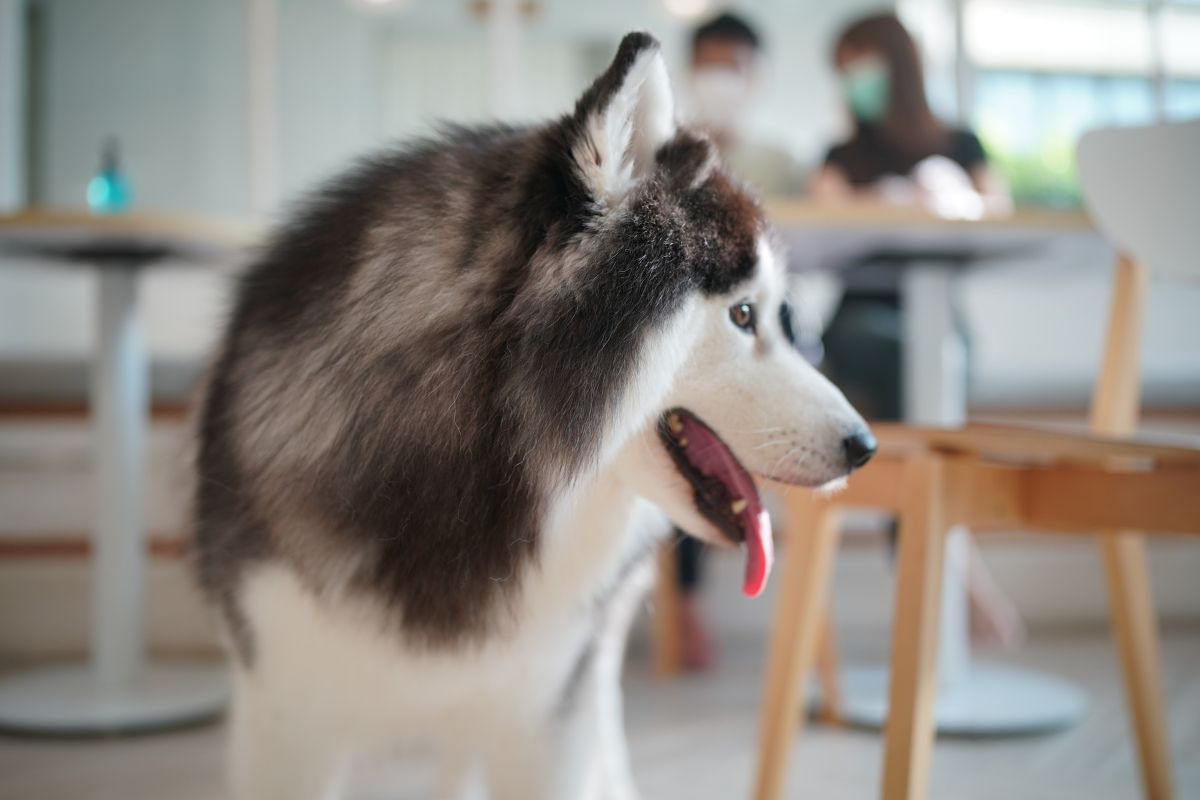
Panting is a normal cooling mechanism, but unusually heavy or prolonged panting may indicate your pet is struggling to stay hydrated.
Dry Nose and Gums
Healthy pets typically have moist gums. Dry, sticky gums can be one of the first indicators of dehydration.
Increased Thirst
A dehydrated pet may drink water more aggressively than usual when it becomes available.
Reduced Energy Levels
Pets experiencing dehydration often appear tired, sluggish, or less interested in activities they normally enjoy.
Loss of Appetite
Dehydrated pets may eat less or show little interest in food.
Sunken Eyes
As dehydration progresses, the eyes may appear slightly sunken or dull.
Darker Urine
Concentrated urine can indicate that your pet’s body is conserving water.
How to Check Your Pet for Dehydration at Home
While a veterinary examination is the most reliable way to assess hydration status, there are a few simple observations pet owners can make at home.
Check the Gums
Gently lift your pet’s lip and examine the gums. Healthy gums should feel moist and slippery. Sticky or dry gums may suggest dehydration.
Perform a Skin Elasticity Test
Gently lift the skin between your pet’s shoulders and release it.
In a well-hydrated pet, the skin quickly returns to its normal position. If the skin remains elevated or returns slowly, dehydration may be present.
Monitor Water Consumption
Keep track of how much water your pet drinks each day. Significant changes may warrant further evaluation.
Serious Signs That Require Immediate Veterinary Attention
As dehydration worsens, symptoms can become more severe and potentially life-threatening.
Contact a veterinary professional immediately if your pet experiences:
- Extreme lethargy
- Collapse or weakness
- Difficulty standing
- Rapid heart rate
- Vomiting
- Diarrhea
- Pale gums
- Confusion or disorientation
- Refusal to drink water
Prompt treatment can help prevent complications and improve outcomes.
Common Causes of Summer Dehydration in Pets
Many pet owners assume dehydration occurs only when water is unavailable. In reality, several factors can contribute.
Heat Exposure
Spending too much time in hot environments is one of the leading causes of dehydration.
Intense Exercise
Physical activity during the hottest parts of the day can accelerate fluid loss.
Travel Stress
Road trips and outdoor excursions may disrupt normal drinking habits.
Digestive Upset
Vomiting and diarrhea can quickly deplete fluid reserves.
Insufficient Water Access
Empty water bowls or limited access to fresh drinking water can increase dehydration risk.
Preventing Dehydration During Summer
Fortunately, many cases of dehydration can be prevented with proactive care.
Provide Fresh Water at All Times
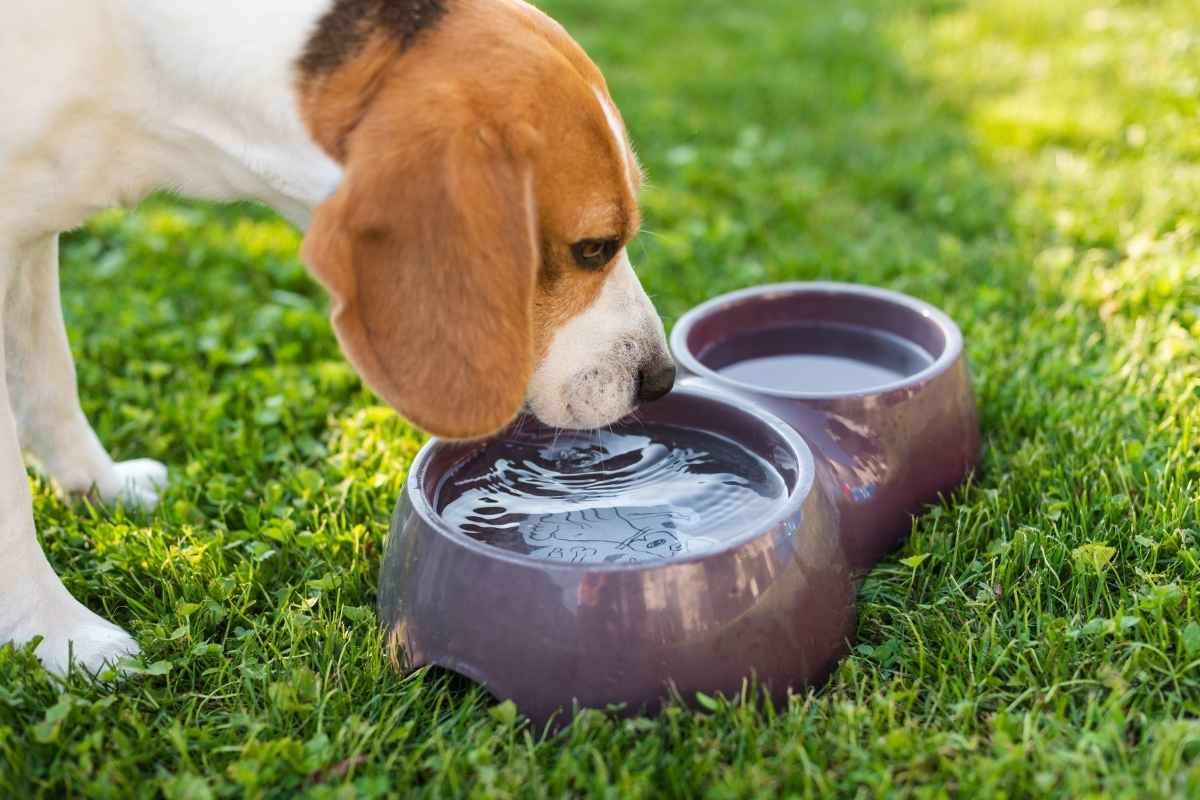
Ensure your pet always has access to clean, cool drinking water both indoors and outdoors.
Carry Water During Walks
Bring a portable water bottle and travel bowl whenever you leave home with your pet.
Exercise During Cooler Hours
Plan walks and outdoor activities during the early morning or evening when temperatures are lower.
Create Shaded Rest Areas
If your pet spends time outdoors, provide shaded locations where they can cool down comfortably.
Monitor Outdoor Activity
Watch for signs of fatigue, heavy panting, or overheating during play sessions.
Feed Moisture-Rich Foods When Appropriate
Some pets may benefit from foods that contain higher moisture content as part of a balanced diet recommended by their veterinarian.
The Connection Between Dehydration and Heat-Related Illness
Dehydration and heat-related illnesses often occur together. When a pet loses too much water, the body’s ability to regulate temperature becomes impaired.
This can lead to overheating and, in severe cases, heatstroke.
Warning signs of heat-related illness include:
- Excessive panting
- Bright red gums
- Drooling
- Weakness
- Vomiting
- Collapse
Preventing dehydration is one of the most effective ways to reduce the risk of serious heat-related emergencies.
Special Summer Hydration Tips for Dogs and Cats
For Dogs
- Bring water on every walk.
- Avoid strenuous midday exercise.
- Allow frequent rest breaks.
- Monitor active breeds closely during hot weather.
For Cats
- Place multiple water bowls throughout the home.
- Keep water fresh and clean.
- Encourage hydration with pet fountains if recommended.
- Ensure indoor environments remain comfortably cool.
When to Seek Professional Veterinary Care
Even mild dehydration can become serious if not addressed promptly. If your pet displays persistent signs of dehydration or any symptoms of heat-related illness, professional evaluation is essential.
A veterinarian can assess hydration levels, identify underlying causes, and recommend appropriate treatment to restore your pet’s health safely.
Pet owners should never wait for symptoms to become severe before seeking help. Early intervention often leads to faster recovery and fewer complications.
If you notice concerning symptoms, it’s important to schedule for an appointment as soon as possible to ensure your pet receives timely care.
Protecting Your Pet Throughout the Summer
Summer should be a season of fun and outdoor enjoyment, but rising temperatures can create hidden health risks for pets. Understanding the warning signs of dehydration, monitoring your pet closely, and taking preventive measures can help reduce the likelihood of serious complications.
Whether you’re spending time in the backyard, exploring local parks, or taking family trips, keeping hydration a priority is one of the best ways to support your pet’s well-being.
For pet owners seeking a trusted veterinarian and dependable veterinary care in Hartsdale, the experienced team at Hartsdale Veterinary Hospital is committed to helping pets stay healthy, comfortable, and safe throughout every season.
Frequently Asked Questions
1. How much water should my pet drink during summer?
Ans: Water needs vary based on size, age, activity level, and weather conditions. Many pets require additional water during hot weather due to increased fluid loss through panting and activity.
2. Can pets become dehydrated even if water is available?
Ans: Yes. Excessive heat, intense exercise, vomiting, diarrhea, or underlying health conditions can cause dehydration despite access to water.
3. Are certain pets more likely to become dehydrated?
Ans: Senior pets, puppies, kittens, highly active dogs, and pets with certain medical conditions may face a higher risk of dehydration.
4. What should I do if I suspect my pet is dehydrated?
Ans: Move your pet to a cool area, provide access to fresh water, and contact a veterinary professional if symptoms persist or worsen.
5. Can dehydration become an emergency?
Ans: Yes. Severe dehydration can affect organ function and may become life-threatening if not treated promptly.
6. How can I help prevent dehydration during outdoor activities?
Ans: Bring water on outings, provide regular breaks, avoid peak heat hours, and monitor your pet closely for signs of overheating or excessive thirst.