
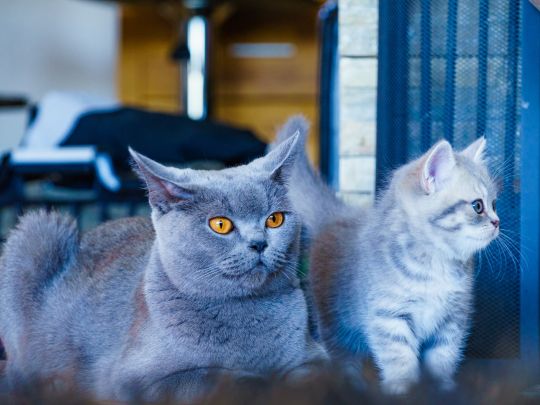
Hairballs are a common part of life for many cats. As cats groom themselves, they naturally swallow loose and dead hair. Most of this hair moves through the digestive tract and leaves the body in the stool, but some can collect in the stomach and form a hairball. Long-haired cats and cats that groom frequently may be more likely to experience this issue.
Choosing an appropriate diet can support healthy digestion, but food is only one part of managing hairballs. A veterinarian near you can help determine whether your cat’s frequent hairballs are related to diet, grooming habits, skin irritation, digestive concerns, or another underlying issue. Understanding your cat’s nutritional needs can help you make informed choices about daily feeding.
What Causes Hairballs in Cats?
Cats have naturally rough tongues that help remove loose hair from their coats during grooming. When swallowed, this hair cannot be digested because it is primarily made of keratin. Most passes through the digestive system, while some can remain in the stomach and gradually form a hairball.
Hairballs may occur more often during periods of increased shedding. Persian cats, Maine Coons, and other long-haired breeds may also be more susceptible because they can swallow larger amounts of loose fur. Regular brushing can reduce the amount of hair your cat consumes while grooming.
However, frequent vomiting or repeated attempts to bring up a hairball should not automatically be attributed to grooming. A vet can evaluate your cat and determine whether additional diagnostic pet care is appropriate.
What Should a Hairball-Prone Cat Eat?
There is no single diet that is best for every cat with hairballs. Cats have individual nutritional requirements based on their age, weight, activity level, health status, and other factors. A complete and balanced commercial cat food that provides appropriate nutrients should form the foundation of your cat’s diet.
Some diets marketed specifically for hairball management contain added fiber. Fiber can support normal movement of material through the digestive tract and may help swallowed hair pass through the stool. However, increasing fiber is not appropriate for every cat, and excessive supplementation can cause digestive problems or affect nutrient absorption.
Rather than choosing a high-fiber food solely because your cat has hairballs, discuss the options with your veterinarian. Your Hartsdale vet can consider your cat’s overall health before recommending a dietary change.
How Does Fiber Help With Hairballs?
Fiber is often included in hairball-focused cat foods because it can influence intestinal movement and stool formation. Certain types of dietary fiber add bulk, while others interact with water and are fermented in the colon. The appropriate amount and type depend on the individual cat.
A food containing a moderate amount of appropriate fiber may help some cats move swallowed hair through the digestive tract more effectively. However, adding human foods or fiber supplements without professional guidance is not recommended.
If your cat has chronic digestive problems, constipation, weight concerns, or other health conditions, a vet should assess those issues before you make significant dietary changes.
Why Hydration Matters for Hairball Management
Adequate hydration is an important part of digestive health. Cats obtain water both by drinking and through the moisture contained in their food. Wet cat food can provide substantially more water than dry food, while fresh drinking water should always be available.
Some cats naturally drink little water, so incorporating moisture-rich food into an appropriate feeding plan may help increase their overall water intake. Water fountains, multiple water bowls, and clean, easily accessible drinking areas may also encourage some cats to drink more.
Before changing your cat’s food, consider its complete nutritional profile rather than choosing a product based only on its moisture or fiber content.
Is Wet or Dry Food Better for Cats With Hairballs?
Both wet and dry foods can be suitable for cats when they provide complete and balanced nutrition. Wet food generally contains substantially more water, while dry food is more concentrated and may be convenient for certain feeding routines.
For a cat prone to hairballs, the better choice depends on the animal’s overall nutritional and health needs. Some cats may benefit from a combination of wet and dry food, while others may do well with one type.
Your veterinary hospital can help you evaluate factors such as your cat’s body condition, digestion, hydration, age, and existing health concerns when selecting an appropriate diet.
Grooming Is Just as Important as Diet
Diet alone cannot prevent all hairballs. Regular grooming can significantly reduce the amount of loose fur your cat swallows. Daily brushing may be particularly useful for long-haired cats or cats that shed heavily.
Grooming also gives you an opportunity to notice changes in your cat’s skin or coat. Excessive grooming may sometimes be associated with skin irritation or other problems that cause a cat to swallow more hair than usual.
If you notice persistent overgrooming, bald areas, skin changes, repeated vomiting, appetite changes, or other unusual symptoms, a vet should evaluate your cat rather than assuming hairballs are the only cause.
When Should a Veterinarian Evaluate Frequent Hairballs?
Occasional hairballs can occur in otherwise healthy cats, but frequent or unusual episodes deserve attention. Repeated unproductive retching, ongoing vomiting, loss of appetite, lethargy, or other changes in normal behavior can indicate that something more than an ordinary hairball may be occurring.
Veterinary evaluation may include a physical examination and, when appropriate, bloodwork or imaging to investigate digestive or other health concerns. This type of diagnostic pet care can help identify the underlying cause instead of treating hairballs as an isolated problem.
It is also important not to give your cat laxatives or other hairball products without veterinary guidance. Some products may not be appropriate for every cat or may mask an underlying problem.
How to Build a Hairball-Friendly Feeding Routine
A practical approach to managing hairballs includes several habits:
- Feed a complete and balanced cat food appropriate for your cat’s life stage.
- Provide fresh water every day.
- Consider moisture-rich food when appropriate for your cat’s nutritional needs.
- Discuss fiber-containing diets with your veterinarian before making a change.
- Brush your cat regularly to remove loose hair.
- Monitor your cat’s weight and body condition.
- Avoid adding supplements or human foods without professional advice.
- Keep track of how frequently your cat vomits or produces hairballs.
These steps can support healthy digestion while helping you recognize changes that may require professional attention.
Supporting Your Cat’s Digestive Health in Hartsdale
Managing hairballs involves more than finding a food labeled “hairball control.” The right approach considers your cat’s complete nutritional needs, hydration, grooming routine, body condition, and overall health. Because cats respond differently to dietary changes, professional guidance can help you choose an appropriate feeding plan.
If your cat experiences frequent hairballs or changes in appetite, digestion, or grooming behavior, Hartsdale Veterinary Hospital can help evaluate the situation and provide appropriate veterinary care. If a dietary or health concern needs further assessment, schedule an appointment with our animal hospital to discuss your cat’s individual needs.
Frequently Asked Questions
1. What is the best food for a cat that gets hairballs?
Ans: There is no universal best food for every cat with hairballs. A complete and balanced diet with appropriate nutrition, moisture, and potentially fiber may be considered based on the cat’s individual needs. Your veterinarian can recommend suitable options.
2. Does high-fiber cat food prevent hairballs?
Ans: High-fiber diets may help some cats move swallowed hair through the digestive tract, but they do not guarantee that hairballs will stop. The amount and type of fiber should be appropriate for the individual cat.
3. Is wet food good for cats prone to hairballs?
Ans: Wet food can be useful because it contains more moisture than dry food. Adequate hydration supports normal digestion, but the best feeding plan depends on your cat’s overall nutritional and health requirements.
4. Should I give my cat a hairball supplement?
Ans: Do not introduce a hairball supplement without first discussing it with a veterinarian. Some products may not be appropriate for every cat, particularly when frequent vomiting or another digestive problem is present.
5. How often should I brush a cat that gets hairballs?
Ans: Regular brushing can reduce the amount of loose hair your cat swallows during grooming. Daily brushing may be especially helpful for long-haired cats and cats that shed heavily.
6. When should I take my cat to a vet for hairballs?
Ans: A veterinary evaluation is appropriate when hairballs become frequent or are accompanied by repeated vomiting, unproductive retching, appetite loss, lethargy, or other changes in normal behavior. These signs may have causes unrelated to ordinary hairballs.