
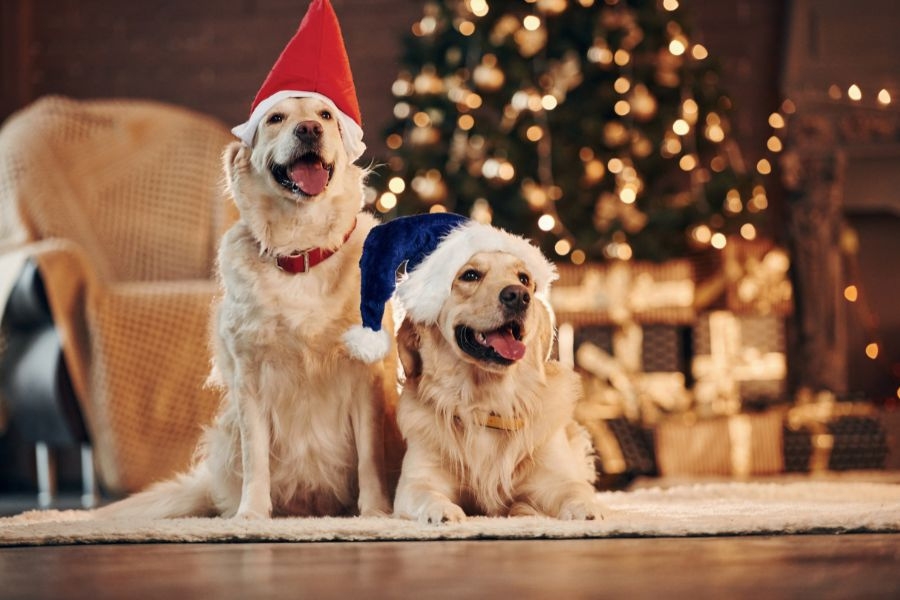
The Christmas season is a time for family, fun, and festivities. However, as you enjoy the holiday decorations, treats, and activities, it’s important to remember that this time of year also brings a variety of potential hazards for our pets. From dangerous foods to unsafe decorations, pets can easily get into trouble during the holidays. This comprehensive guide will highlight some of the most common Christmas hazards for dogs and cats and provide tips to keep your pets safe during the celebrations.
1. Hazardous Holiday Foods for Dogs and Cats
While Christmas is a time for delicious meals and treats, many of the foods we enjoy can be harmful or toxic to pets. Sharing holiday treats with your pet might seem like a nice gesture, but certain foods can cause serious health issues.
Chocolate: Chocolate is one of the most well-known pet hazards, especially for dogs. It contains theobromine, a substance that can cause vomiting, diarrhea, increased heart rate, and even death in severe cases. Dark chocolate and baking chocolate are particularly dangerous.
Grapes and Raisins: Often used in holiday baking, grapes and raisins can cause kidney failure in dogs and cats. Even a small amount can be harmful, and the exact cause of toxicity remains unclear.
Alcohol: Alcoholic beverages might be part of your Christmas celebrations, but they pose serious risks to pets. Ingesting even a small amount of alcohol can lead to vomiting, difficulty breathing, and, in extreme cases, death. Always keep alcoholic drinks out of reach.
Onions and Garlic: These common holiday ingredients can be toxic to both dogs and cats. They contain compounds that can damage red blood cells and lead to anemia. Be sure to keep food containing onions or garlic away from your pet.
Xylitol: Xylitol, a sugar substitute found in sugar-free gum, candy, and baked goods, can cause a dangerous drop in blood sugar, liver failure, and seizures in dogs. Always check the ingredients before offering your pet any sweet treats.
To avoid these dangers, be sure to keep holiday foods out of your pet’s reach and avoid sharing your Christmas treats with them.
2. Christmas Decorations: A Hidden Danger
While Christmas decorations add to the holiday cheer, they also present significant risks to pets. From Christmas trees to tinsel, there are several hazards that can cause injury or illness.
Christmas Trees: Christmas trees, while festive, can pose several dangers. Pets, especially cats, may be tempted to climb or play with the tree, leading to accidents or a toppled tree. A falling tree can cause injuries to your pet or damage decorations.
Tinsel and Ribbons: Cats, in particular, are attracted to tinsel and ribbons, which can be dangerous if ingested. Swallowing tinsel can cause blockages in the digestive system, potentially requiring surgery. If your pet swallows tinsel, seek immediate veterinary care.
Candles: Candles create a cozy atmosphere, but they also present a fire hazard. Pets may accidentally knock over candles, causing burns or even starting a fire. Consider using flameless candles as a safer alternative.
Christmas Lights: Pets may chew on Christmas light cords, which can lead to electrical burns or electric shock. Be sure to secure your light cords and keep them out of your pet’s reach to avoid any accidents.
3. The Dangers of Holiday Plants
Several common Christmas plants are toxic to pets, and while they look beautiful, they can be harmful if ingested.
Poinsettias: While not as dangerous as some other plants, poinsettias can cause mild symptoms like drooling, vomiting, and diarrhea if ingested by pets. Keep them out of reach to prevent any issues.
Mistletoe and Holly: Mistletoe and holly are both highly toxic to pets. Eating these plants can cause symptoms such as vomiting, diarrhea, and even heart problems. If you plan to hang mistletoe or holly, make sure they are placed well out of reach.
Christmas Cactus: Although less toxic than other plants, the Christmas cactus can cause digestive upset if consumed. It’s best to keep this plant out of reach of curious pets.
4. Holiday Stress and Overexcitement
The holiday season can be overwhelming for pets, especially with guests, loud noises, and changes in routine. Stress and anxiety can manifest in various ways, including changes in eating habits, excessive barking, or even destructive behavior.
To help reduce your pet’s stress during the holidays, provide them with a quiet, safe space where they can retreat if they feel overwhelmed. Keep their routine as normal as possible, and be mindful of their behavior during the busy holiday season.
While Christmas is a joyful time for humans, it can be a dangerous season for pets if precautions aren’t taken. By being mindful of holiday foods, decorations, plants, and the stress of the season, you can help ensure your pets stay safe and healthy. If you ever suspect your pet has ingested something harmful or is facing any holiday-related dangers, don’t hesitate to contact our veterinary hospital for expert guidance and treatment.
Our team at Hartsdale Veterinary Hospital is here to support you and your pets during this festive season, ensuring that both you and your furry friends can enjoy a safe and happy holiday.
FAQs
Q1. Is chocolate safe for pets?
Ans. No, chocolate is toxic to pets, especially dogs. It can cause vomiting, diarrhea, and even seizures. Keep chocolate out of reach.
Q2. What should I do if my pet eats something harmful during Christmas?
Ans. If your pet ingests something toxic, contact our veterinary hospital immediately for guidance on how to proceed.
Q3. Are Christmas trees safe for pets?
Ans. Christmas trees can pose a risk, especially if they fall. Make sure your tree is securely anchored, and keep fragile ornaments out of reach.
Q4. Is mistletoe dangerous to pets?
Ans. Yes, mistletoe is toxic to pets and can cause symptoms such as vomiting, diarrhea, and even heart problems. Keep mistletoe away from pets.
Q5. Can my pet eat my Christmas dinner leftovers?
Ans. Many Christmas foods, like onions, garlic, and fatty meats, are harmful to pets. Stick to pet-friendly treats and avoid sharing human food.
Q6. How can I reduce my pet’s stress during the holidays?
Ans. Provide a quiet, safe space for your pet, and keep their routine as normal as possible. Be mindful of loud noises and visitors.