Healthy skin is essential for your pet’s overall well-being, yet it is often overlooked. Cats and dogs can develop a variety of skin issues, from mild irritations to serious infections, which can affect their comfort, behavior, and quality of life. However, skin problems don’t have to compromise your pet’s happiness. With attentive care and early intervention, you can help your furry companion stay comfortable and thrive.
Many common skin conditions can be managed effectively when addressed promptly. From regular grooming and proper nutrition to professional veterinary care, small, consistent steps make a big difference. This guide explores practical, veterinarian-approved strategies to prevent, identify, and treat skin problems, especially for pet owners in Hartsdale, NY.
At Hartsdale Veterinary Hospital, our veterinarians emphasize proactive skin care as part of routine wellness checkups. Early detection and timely treatment can greatly improve your pet’s comfort, prevent long-term complications, and help maintain a healthy, shiny coat.
Common Skin Conditions in Cats and Dogs
Several skin conditions frequently affect pets. Some of the most common include:
1. Allergies
Pets can develop allergies to food, environmental factors, or flea bites. Symptoms often include itching, redness, and hair loss. Allergic reactions can be seasonal or year-round and may lead to secondary infections if untreated.
2. Flea and Tick Infestations
External parasites cause irritation, itching, and skin sores. Severe infestations may result in anemia or transmit other diseases.
3. Hot Spots (Acute Moist Dermatitis)
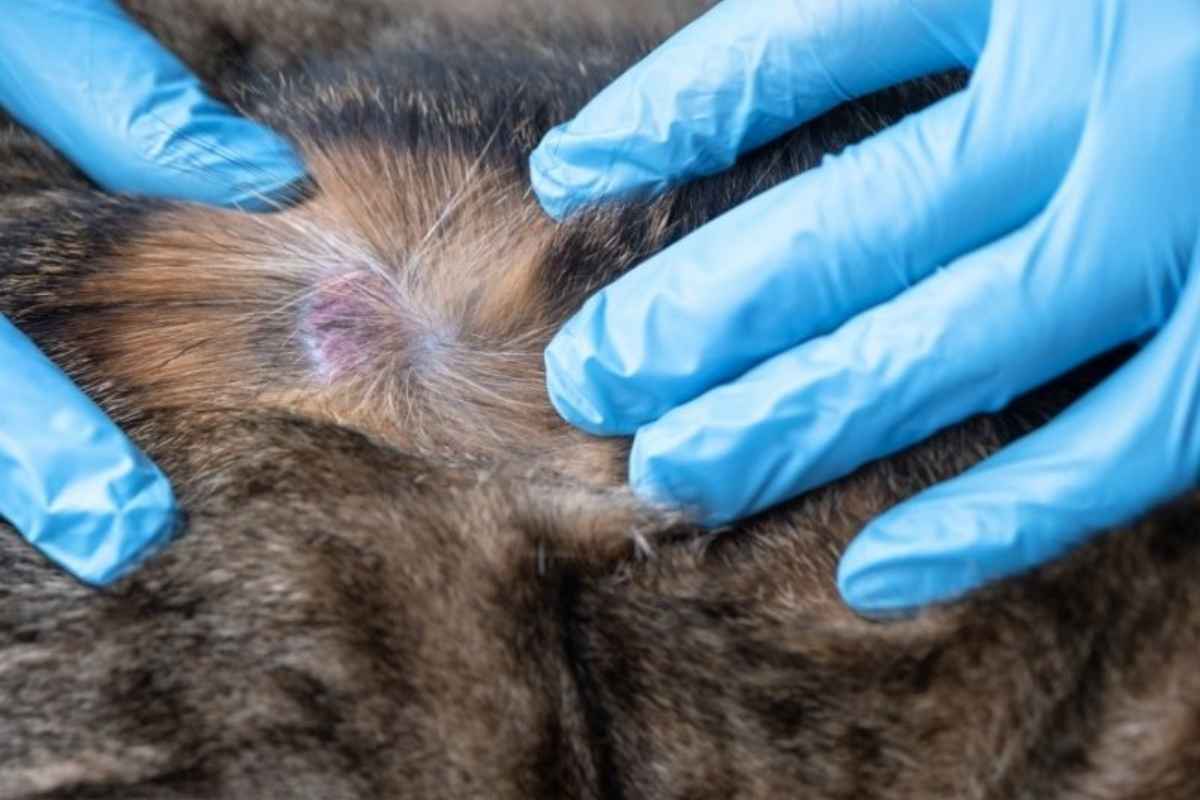
Hot spots are inflamed, irritated areas of skin caused by excessive licking, scratching, or biting. They can appear suddenly and spread quickly if not treated promptly.
4. Fungal and Bacterial Infections
Ringworm, yeast infections, and bacterial dermatitis are common. Symptoms include redness, odor, scaling, or crusting. Pets with weakened immune systems are particularly susceptible.
5. Dry or Flaky Skin
Dry skin can result from environmental factors, diet deficiencies, or underlying medical conditions. It may appear as dandruff, scaling, or hair breakage.
6. Seborrhea
This condition causes greasy or flaky skin, often accompanied by odor. It may be inherited or secondary to other health problems.
Recognizing the signs of these conditions early allows pet owners to provide timely care and prevent complications.
Treatment Options and Veterinary Care
While some minor skin issues can be managed at home, professional care from a veterinarian is often necessary for proper diagnosis and treatment. Treatment may include:
- Medicated shampoos and topical treatments to reduce inflammation, itchiness, or infection
- Oral medications, such as antibiotics or antifungals, for more severe infections
- Allergy management, including dietary changes, supplements, or prescription medications
- Flea and tick prevention through veterinarian-recommended products
- Environmental adjustments, like reducing allergens or changing bedding materials
Hartsdale Veterinary Hospital provides individualized treatment plans for pets in Hartsdale, NY, ensuring that skin conditions are treated effectively while addressing any underlying causes.
Preventive Measures for Healthy Skin
Maintaining your pet’s skin health involves consistent care and monitoring. Some practical preventive steps include:
- Regular grooming and brushing to remove dirt, loose hair, and mats
- Bathing with veterinarian-recommended shampoos
- Balanced diet rich in omega-3 fatty acids for skin and coat health
- Routine flea and tick prevention
- Monitoring for early signs of irritation or infection
By combining home care with professional veterinary support, you can help prevent minor issues from becoming serious health concerns.
When to Consult a Veterinarian
Pets should be evaluated by a veterinarian if you notice:
- Persistent itching, redness, or swelling
- Open sores, scabs, or bleeding
- Hair loss or unusual odors
- Behavioral changes due to discomfort
Early intervention not only alleviates discomfort but also reduces the risk of more serious infections or systemic health issues.
Partnering with Your Local Veterinary Hospital
Skin conditions can be challenging, but with proper care, your pet can stay comfortable and healthy. For pet owners in Hartsdale, NY, booking a visit at Hartsdale Veterinary Hospital ensures that cats and dogs receive expert evaluation, treatment, and follow-up care. The team provides tailored advice, advanced diagnostics, and ongoing support to help maintain healthy skin and a happy pet.
FAQs
Q1. What is the most common skin problem in pets?
A: Allergies and flea-related irritations are among the most frequent skin issues in cats and dogs.
Q2. How can I tell if my pet’s skin condition is serious?
A: Signs such as persistent redness, open sores, hair loss, or changes in behavior indicate the need for veterinary evaluation.
Q3. Can diet affect skin health?
A: Yes, a balanced diet with essential fatty acids supports healthy skin and coat.
Q4. Are skin conditions contagious between pets?
A: Some fungal infections, like ringworm, can spread between pets or even humans. Proper veterinary treatment is essential.
Q5. How often should I bring my pet for a skin check?
A: During routine wellness exams or sooner if you notice irritation, itching, or hair loss.
Q6. Can preventive care reduce skin problems?
A: Absolutely. Regular grooming, flea and tick prevention, a proper diet, and routine veterinary care help minimize the risk of skin conditions.