
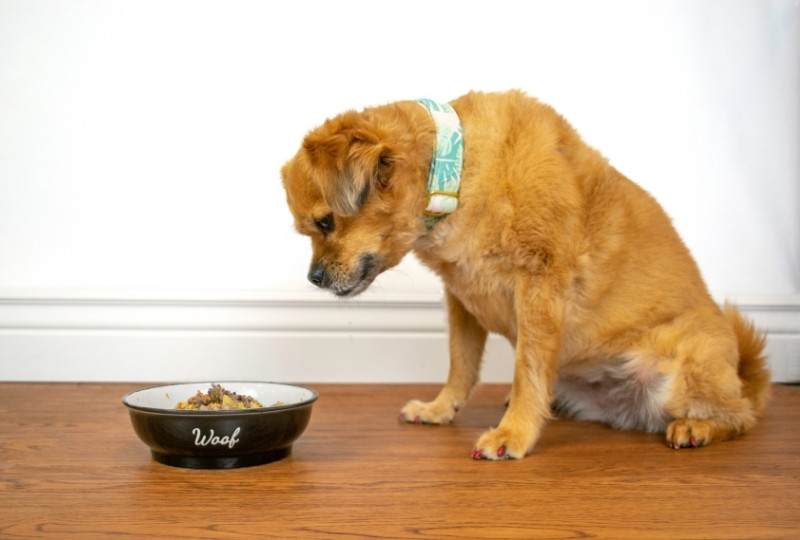
As dogs age, their nutritional needs change. Just like humans, senior dogs require a special diet to maintain their health and vitality. Choosing the right food for an aging dog is crucial in promoting longevity and preventing common health problems associated with old age. In this blog, we’ll explore the healthiest food options for senior dogs, focusing on what nutrients are most important and how to ensure your furry companion stays in the best shape possible.
Why Senior Dogs Need Special Food
As dogs enter their senior years, their metabolism slows down, and they often experience a decrease in activity levels. This makes it necessary to adjust their diet to suit their changing needs. Senior dog food is formulated with specific nutrients to promote joint health, maintain a healthy weight, and support overall well-being. Additionally, certain health issues become more common with age, including dental problems, digestive issues, and arthritis. The right food can help manage these issues effectively.
Key Nutrients for Senior Dog Food
When choosing the healthiest food for your senior dog, it’s essential to understand the nutrients that are most beneficial for aging pets. Let’s break down some of the key nutrients to look for:
- High-Quality Protein
Protein is crucial for maintaining muscle mass, which naturally decreases as dogs get older. Senior dogs require a high-quality, easily digestible protein source to support muscle repair and overall strength. Look for food that includes lean meats like chicken, turkey, or lamb. - Omega Fatty Acids
Omega-3 and omega-6 fatty acids are essential for promoting healthy skin, shiny coats, and reducing inflammation. These fatty acids also help manage arthritis pain and improve cognitive function, which can decline in older dogs. Fish oils, flaxseeds, and other plant-based oils are excellent sources of omega fatty acids. - Fiber
As dogs age, their digestive systems may not function as efficiently as they once did. Fiber helps regulate digestion and prevent constipation, a common issue in senior dogs. It also aids in maintaining a healthy weight by promoting a feeling of fullness. Look for food with easily digestible sources of fiber, such as pumpkin or sweet potatoes. - Joint Support
Arthritis is common in senior dogs, and feeding them food rich in joint-supporting nutrients is essential. Glucosamine and chondroitin are popular ingredients that help support joint health and mobility. These nutrients can reduce the pain associated with arthritis and improve your dog’s overall quality of life. - Antioxidants
Antioxidants play a significant role in neutralizing free radicals and supporting the immune system. Senior dogs can experience a weakened immune system, which makes it harder for them to fight off infections and illnesses. Look for food with ingredients like vitamin E, vitamin C, and beta-carotene to boost their immune defenses. - Low Calories
Since senior dogs tend to be less active and have a slower metabolism, they may be more prone to weight gain. Weight management is crucial to prevent obesity and related health issues such as diabetes and heart disease. Opt for a food that provides adequate nutrition without excessive calories.
Best Food Choices for Senior Dogs
Now that we know which nutrients are essential, let’s dive into the best food options for senior dogs.
- Hill’s Science Diet Adult 7+ Senior Dog Food
Hill’s Science Diet is well-known for producing high-quality pet food. Their Senior 7+ formula is specifically designed for older dogs and includes ingredients that support cognitive function, joint health, and digestive health. It contains a balanced blend of high-quality proteins, fiber, and antioxidants to keep your dog’s energy levels up. - Royal Canin Size Health Nutrition Aging 12+ Dry Dog Food
Royal Canin’s Aging 12+ formula is great for dogs who are in their golden years. It is specifically formulated to address the unique health concerns of senior dogs, such as kidney health, joint support, and improved digestion. It also contains antioxidants to support the immune system. - Blue Buffalo Life Protection Formula Senior Dog Food
Blue Buffalo’s Senior Dog Food is a natural option that contains high-quality chicken protein, whole grains, and vegetables. It’s enriched with essential fatty acids to support skin and coat health, and the addition of glucosamine and chondroitin promotes joint health. - Wellness Complete Health Senior Dog Food
This formula by Wellness provides a balanced diet with high-quality protein from chicken, antioxidants for immune support, and omega fatty acids for healthy skin and coat. It’s also enriched with glucosamine and chondroitin to support joint function and mobility. - Orijen Senior Dog Food
For pet owners who prefer a more premium food, Orijen Senior Dog Food is an excellent choice. It’s packed with high-quality animal protein and includes a mix of fresh and raw ingredients. With a focus on protein-rich, nutrient-dense food, Orijen supports muscle maintenance, joint health, and digestive well-being.
Homemade Food Options for Senior Dogs
While commercial dog food is formulated to meet all of your dog’s nutritional needs, some pet owners prefer to prepare homemade meals for their senior dogs. If you decide to make food at home, it’s important to ensure a balanced diet. Consult with your veterinarian to create a diet plan that includes:
- Lean proteins like chicken, turkey, or beef
- Carbohydrates like sweet potatoes or brown rice
- Vegetables like carrots, peas, and green beans
- Essential fats like fish oil or flaxseed oil
Homemade food can be a great option, but it should always be supplemented with vitamins and minerals to ensure your dog is getting everything they need.
Transitioning to Senior Dog Food
If you are switching your senior dog to a new food, do so gradually over the course of 7-10 days. Start by mixing a small amount of the new food with their current food, gradually increasing the amount of new food while decreasing the old. This will help avoid any digestive upset.
Regular Vet Visits and Senior Dog Nutrition
Even with the best food, it’s important to monitor your senior dog’s health with regular vet visits. Senior dogs may develop health issues like kidney disease, dental problems, or arthritis, and it’s essential to catch these early for the best possible outcome. Your vet can help you adjust your dog’s diet based on their health needs.
Taking care of a senior dog means understanding their nutritional needs and choosing the right food. A well-balanced diet rich in protein, fiber, healthy fats, and joint-supporting nutrients can help your senior dog live a longer, healthier life. If you are in the Hartsdale, NY area, talk to your veterinarian about creating the best diet plan for your dog’s needs. Proper nutrition, combined with regular veterinary care, will ensure your senior dog enjoys their golden years to the fullest.
FAQs
Q1. What is the best protein source for senior dogs?
Ans. Lean meats such as chicken, turkey, and lamb are excellent sources of protein for senior dogs. These proteins are easy to digest and provide the essential amino acids needed to maintain muscle mass.
Q2. Can senior dogs eat dry food?
Ans. Yes, senior dogs can eat dry food. However, it’s important to choose a formula specifically designed for older dogs to ensure it meets their nutritional needs. Some senior dogs may benefit from wet food, depending on their dental health.
Q3. How much food should I feed my senior dog?
Ans. The amount of food you should feed your senior dog depends on their size, activity level, and weight. It’s best to consult with your vet to determine the appropriate serving size for your dog’s specific needs.
Q4. Are grains bad for senior dogs?
Ans. No, grains are not inherently bad for senior dogs. In fact, whole grains like brown rice and oatmeal can provide essential carbohydrates and fiber. However, some dogs may have sensitivities to grains, so always monitor for any signs of allergies.
Q5. How do I know if my senior dog needs a special diet?
Ans. If your senior dog is showing signs of weight gain, joint pain, digestive issues, or changes in their energy levels, they may benefit from a special diet. Consult your veterinarian to determine the best food for your dog’s health needs.
Q6. Can senior dogs eat human food?
Ans. Some human foods are safe for dogs, but many are not. Avoid feeding your senior dog foods like chocolate, grapes, onions, or garlic, as these can be toxic. Always consult with your vet before giving your dog human food.
