
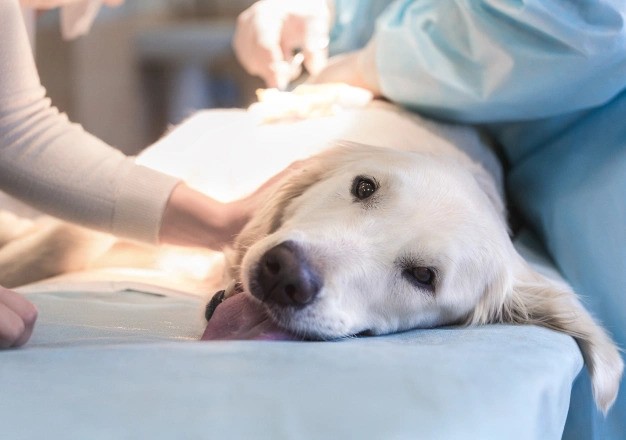
Preparing your dog for surgery is an important process that can help ease their anxiety and ensure a smooth recovery. At Hartsdale Veterinary Hospital, we understand how stressful it can be for both pet owners and their furry companions. Whether it’s a routine procedure or a more complex surgery, getting ready for your dog’s surgery involves a few key steps. These steps can help your pet feel more comfortable and confident before the procedure while also improving their recovery time afterward. Here’s a comprehensive guide on how to prepare your dog for surgery, especially for pet owners in Hartsdale, NY.
1. Schedule a Pre-Surgery Checkup
Before scheduling any surgery for your dog, it’s crucial to have a pre-surgery consultation with your veterinarian. This will ensure that your dog is in good health and ready for the procedure. Your vet will assess your dog’s overall health, run any necessary tests, and evaluate their medical history to make sure there are no underlying issues that could complicate the surgery.
During this checkup, be prepared to discuss your dog’s current diet, any medications they are taking, and their vaccination status. This information helps your vet plan the safest approach for your dog’s surgery. The veterinarian may also recommend blood work or other tests to check for conditions like heart disease or infections that could affect the surgery.
2. Follow Pre-Surgery Instructions Carefully
Once your veterinarian schedules the surgery, they will provide specific instructions to follow in the days leading up to the procedure. These instructions are designed to help your dog have the safest experience possible.
One of the most common guidelines is withholding food and water before surgery. Your veterinarian will give you the exact time to stop feeding your dog. This is critical to ensure your dog’s stomach is empty before anesthesia is administered. Depending on the surgery, your dog may also need to stop taking certain medications beforehand.
3. Create a Calm Environment for Your Dog
The days leading up to your dog’s surgery can be stressful for them, especially if they sense anxiety in you. It’s important to keep a calm and positive environment at home. Take extra care to provide them with a familiar space where they feel safe and comfortable.
You can ease their anxiety by maintaining their usual routine. Keep up with their walks, playtime, and meal schedule as much as possible. If your dog is nervous, try using calming products like pheromone sprays or calming music to help soothe them. Avoid introducing any major changes in their environment during this time.
4. Prepare for the Day of Surgery
On the day of your dog’s surgery, make sure to arrive at the veterinary hospital on time. Pack your dog’s belongings, including their favorite blanket or toy, to provide comfort during their stay. It can also be helpful to bring a list of any last-minute questions you may have about the procedure or recovery process.
Before leaving for the veterinary clinic, ensure that your dog has not eaten or drunk anything since the advised time. Bringing your dog to the hospital well-prepared will help ease both your mind and your dog’s anxiety. Your vet will handle the rest when you arrive.
5. Understand the Risks and Post-Surgery Care
Surgery always carries some degree of risk, but most veterinary surgeries have a high success rate. Understanding the risks involved, such as possible complications with anesthesia or infection, will help you make informed decisions about your dog’s care. Ask your veterinarian to explain the potential risks specific to the surgery your dog is undergoing.
Post-surgery care is just as crucial as preparing for the procedure itself. After your dog has had their surgery, they will likely need a period of rest to recover. Be prepared to monitor your dog closely for signs of infection or complications, such as excessive swelling, redness, or discharge around the incision site. If any concerns arise, contact your veterinarian immediately.
You will also need to follow the aftercare instructions provided by your vet. These might include administering pain medications, limiting your dog’s physical activity, and preventing them from licking or scratching at the surgical site. Using an Elizabethan collar (cone) may be necessary to prevent your dog from disturbing the wound.
6. Provide Comfort and Attention During Recovery
Once your dog is back home, create a quiet and comfortable recovery space for them. Keep them in a calm, low-stress environment where they can rest without too many distractions. Offer them soft bedding, and keep their food and water bowls nearby. It’s important to keep your dog’s recovery as stress-free as possible.
Check in with your veterinarian about follow-up appointments or any concerns regarding your dog’s progress. If you notice anything unusual, such as difficulty breathing, unusual swelling, or signs of infection, make sure to reach out to your vet immediately.
Preparing your dog for surgery is a multi-step process that requires planning, care, and attention. By following these steps, you can help ensure that your pet is well-prepared for their procedure and recovery. If you have any concerns or questions about your dog’s surgery, feel free to contact us at Hartsdale Veterinary Hospital. We are here to provide expert care and guidance every step of the way.
Scheduling surgery for your dog can be a stressful experience, but with proper preparation, you can help ease their discomfort and ensure a smooth recovery. If you’re located in Hartsdale, NY, and you’re preparing your dog for surgery, we encourage you to schedule a consultation with our experienced team at Hartsdale Veterinary Hospital today.
FAQs
Q1. What should I do if my dog is nervous about surgery?
Ans. It’s important to keep your dog calm in the days leading up to surgery. Maintain their regular routine and provide comfort items like a favorite toy or blanket. You can also use calming products recommended by your veterinarian.
Q2. Can I feed my dog before surgery?
Ans. No, your dog should not eat or drink for a certain period before the surgery. Your vet will give you a specific time to stop feeding and drinking to ensure your dog’s safety during anesthesia.
Q3. How long does it take for my dog to recover from surgery?
Ans. The recovery time depends on the type of surgery. Generally, dogs take anywhere from a few days to several weeks to fully recover. Your veterinarian will provide you with a recovery plan tailored to your dog’s needs.
Q4. Should I be worried about anesthesia?
Ans. Anesthesia is generally very safe for dogs. However, as with any procedure, there are risks. Your vet will conduct pre-surgery tests to ensure your dog is healthy enough for anesthesia.
Q5. What if I notice signs of infection after surgery?
Ans. If you notice redness, swelling, discharge, or if your dog is acting lethargic, contact your vet immediately. Early intervention is key to preventing further complications.
Q6. How can I help my dog feel more comfortable after surgery?
Ans. After surgery, provide a quiet, comfortable space for your dog to rest. Limit their physical activity and follow the aftercare instructions provided by your veterinarian to ensure a smooth recovery.