
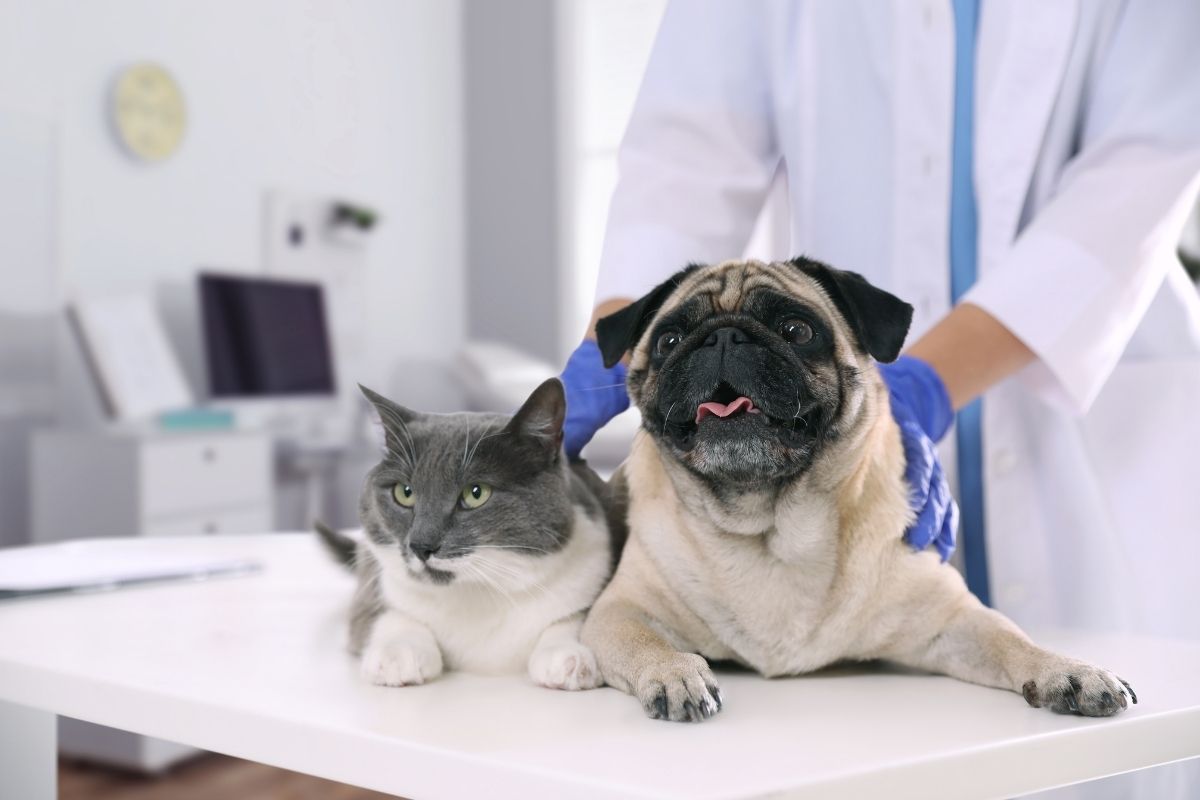
When it comes to your pet’s health, timing can make all the difference. Many conditions may seem minor at first but can quickly become life threatening without prompt attention. Understanding what qualifies as a pet emergency helps you act fast and potentially save your pet’s life.
If you are a pet owner in Hartsdale, knowing when to seek urgent care from a trusted Hartsdale vet is essential. Below are 15 serious situations where immediate veterinary care is critical.
1. Difficulty Breathing
Labored breathing, wheezing, or choking sounds are major red flags. Pets struggling to breathe may have airway obstruction, heart disease, or severe allergic reactions. This is always an emergency that needs immediate care.
2. Severe Bleeding
If your pet is bleeding heavily and it does not stop within a few minutes, it can lead to shock or even death. Apply gentle pressure and get to a veterinary clinic right away.
3. Persistent Vomiting or Diarrhea
Occasional upset stomach is common, but repeated vomiting or diarrhea can lead to dehydration and may signal poisoning or infection. Immediate evaluation is necessary if symptoms persist.
4. Ingestion of Toxic Substances
Pets are naturally curious and may ingest harmful substances such as chocolate, medications, cleaning products, or certain plants. Even small amounts can be dangerous and require urgent treatment.
5. Bites and Stings
Snake bites, insect stings, or animal attacks can cause swelling, infection, or venom reactions. Quick veterinary attention can prevent complications.
6. Broken Bones or Severe Injury
If your pet has been hit by a car or suffered a fall, visible injuries or limping may indicate fractures or internal trauma. Immediate care is essential to prevent further damage.
7. Seizures
Seizures can be frightening and may indicate neurological issues, toxin exposure, or underlying disease. If your pet has a seizure lasting more than a minute or multiple episodes, seek help immediately.
8. Collapse or Loss of Consciousness
Sudden collapse or fainting can be linked to heart problems, internal bleeding, or poisoning. This is a critical pet emergency that should never be ignored.
9. Difficulty Urinating
Straining to urinate or inability to pass urine is especially dangerous in male pets. It can lead to life threatening blockages if not treated promptly.
10. High Fever or Extreme Lethargy
If your pet is unusually weak, unresponsive, or has a very high temperature, it may indicate infection or serious illness requiring urgent care.
11. Burns or Heatstroke
Heatstroke can occur quickly, especially during warm weather. Signs include excessive panting, drooling, and weakness. Burns from hot surfaces or chemicals also need immediate attention.
12. Eye Injuries
Redness, swelling, or discharge from the eyes may seem minor but can quickly lead to vision loss if untreated.
13. Severe Allergic Reactions
Swelling of the face, hives, or sudden breathing difficulty may indicate an allergic reaction. Immediate treatment is necessary to prevent worsening symptoms.
14. Abdominal Swelling
A bloated or hard abdomen, especially in dogs, could indicate a life threatening condition known as gastric torsion. Immediate veterinary intervention is required.
15. Post Surgery Complications
If your pet has recently undergone surgery and shows signs like excessive swelling, bleeding, or lethargy, it is important to contact your vet right away.
Why Acting Quickly Matters
Delaying treatment during a pet emergency can lead to complications, prolonged suffering, or even fatal outcomes. Pets cannot communicate pain the way humans do, so subtle signs often indicate serious problems.
Having a reliable vet you trust ensures your pet receives timely and effective care when it matters most.
When to Contact a Veterinarian
If you notice anything unusual or alarming, it is always better to be cautious. Even if you are unsure, seeking professional advice can prevent a minor issue from becoming severe.
You can schedule an appointment with Hartsdale Veterinary Hospital to ensure your pet receives expert care and guidance tailored to their needs.
Real Experiences Matter
Pet owners often rely on shared experiences to make informed decisions. You can also check a trustworthy review from our satisfied pet owner to understand how timely care has made a difference in critical situations.
How to Prepare for Pet Emergencies
Being prepared can save valuable time during an emergency. Here are a few tips:
- Keep your veterinarian’s contact information easily accessible
- Know the nearest emergency veterinary clinic
- Maintain a pet first aid kit at home
- Monitor your pet’s normal behavior to quickly detect changes
Final Thoughts
Emergencies can happen at any time, but being informed helps you respond quickly and confidently. Recognizing the warning signs and seeking immediate veterinary care can protect your pet’s health and wellbeing.
Always trust your instincts. If something feels wrong, it is better to act quickly and consult a professional.
Frequently Asked Questions
1. What is considered a pet emergency?
Ans: A pet emergency includes any sudden illness or injury that threatens your pet’s life or causes severe pain, such as breathing issues, poisoning, or trauma.
2. How do I know if my pet needs urgent care?
Ans: Signs like difficulty breathing, seizures, collapse, or severe bleeding indicate the need for immediate veterinary attention.
3. Can I treat a pet emergency at home?
Ans: Basic first aid can help temporarily, but most emergencies require professional veterinary care to ensure proper diagnosis and treatment.
4. What should I do if my pet eats something toxic?
Ans: Contact a veterinarian immediately and provide details about what was ingested. Do not wait for symptoms to appear.
5. How can I prevent pet emergencies?
Ans: Regular checkups, proper nutrition, and a safe home environment can reduce risks, but not all emergencies can be prevented.
6. Is it okay to wait and watch symptoms?
Ans: In emergencies, waiting can worsen the condition. It is always safer to consult a veterinarian as soon as possible.