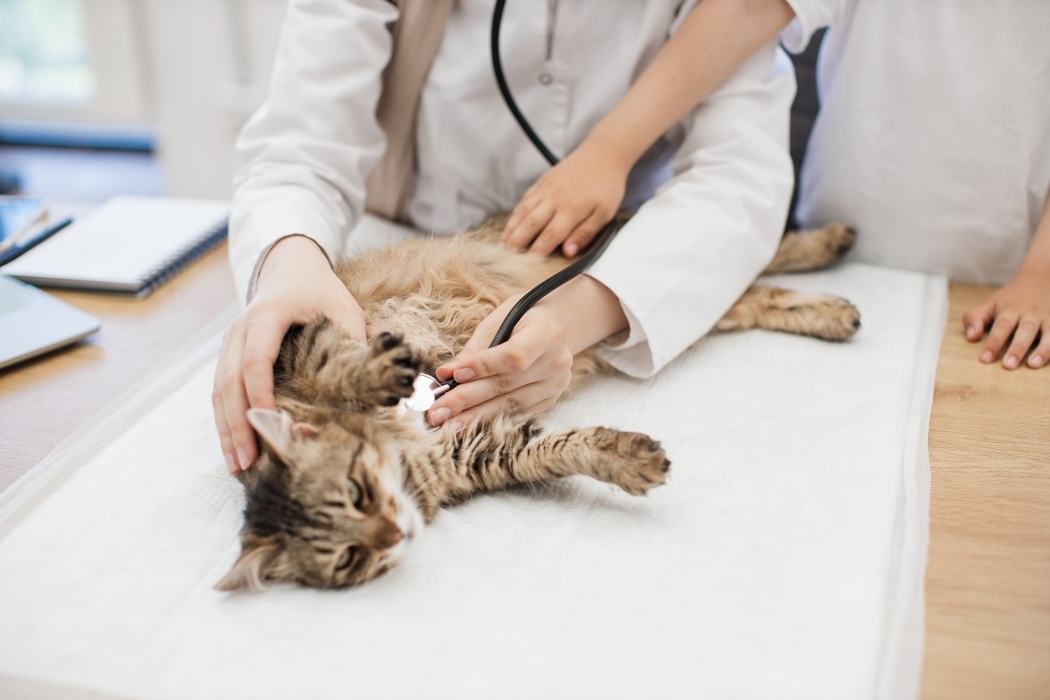
Recognizing when your pet needs medical attention is one of the most important parts of responsible pet ownership. For many families in Hartsdale, NY, dogs and cats are cherished companions, yet pets often hide discomfort or illness until symptoms become more serious. At Hartsdale Veterinary Hospital, we understand how difficult it can be to tell whether a behavior change is minor or a sign of a health problem. Knowing the early warning signs can help you seek care sooner, protect your pet’s comfort, and prevent complications.
This checklist will help you identify situations where a veterinary visit is recommended — and when care should not be delayed.
Why Early Veterinary Visits Matter
Pets instinctively conceal weakness as a survival behavior. By the time obvious symptoms appear, a condition may already be advanced. Early detection allows veterinarians to diagnose and treat problems before they become severe, often leading to simpler treatment and faster recovery.
Routine visits to a veterinary hospital also help establish a baseline for your pet’s normal health. When something changes, your veterinarian can recognize it more quickly and recommend appropriate care.
Behavior Changes You Should Never Ignore
Subtle behavior changes are often the first indicators of illness.
Watch for:
- Sudden lethargy or low energy
- Hiding or withdrawal from family
- Increased irritability or aggression
- Restlessness at night
- Unusual vocalization (whining, crying, or excessive meowing)
Pets that normally greet you at the door but suddenly isolate themselves may be experiencing discomfort or pain. Behavioral shifts are especially important in cats, who commonly show illness quietly.
Appetite and Drinking Habits
Changes in eating and drinking are among the clearest warning signs.
Call your veterinarian if you notice:
- Refusing food for more than 24 hours (dogs)
- Refusing food for more than 12–18 hours (cats)
- Sudden increase in thirst
- Rapid weight loss
- Difficulty chewing or dropping food
Excessive thirst may indicate conditions such as diabetes, kidney disease, or hormonal imbalance. A lack of appetite may signal infection, digestive illness, or dental pain.
Digestive Issues
Occasional stomach upset can happen, but persistent symptoms should not be overlooked.
Seek veterinary attention if your pet has:
- Repeated vomiting
- Diarrhea lasting more than 24 hours
- Blood in stool
- Constipation or straining
- Swollen abdomen
Young pets, seniors, and small breeds can become dehydrated quickly. Prompt care helps prevent complications and discomfort.
Breathing and Mobility Problems
Breathing difficulty is always urgent.
Contact a veterinarian immediately if your pet shows:
- Labored breathing
- Persistent coughing
- Blue or pale gums
- Collapse or fainting
Mobility issues also require evaluation:
- Limping that lasts more than a day
- Trouble standing or climbing stairs
- Stiffness after rest
- Reluctance to jump or walk
These signs may indicate arthritis, injury, or neurological concerns.
Skin, Eyes, and Ears
External symptoms are often easier to notice but still important.
Look for:
- Persistent scratching or licking
- Hair loss or bald spots
- Red or irritated skin
- Eye discharge or squinting
- Ear odor or head shaking
Skin and ear problems rarely resolve on their own and often worsen without treatment. Early care improves comfort and prevents infection.
Bathroom Habit Changes
Your pet’s litter box or bathroom routine can reveal internal health issues.
Warning signs include:
- Urinating more often
- Accidents in the house
- Straining to urinate
- Blood in urine
- Strong urine odor
Urinary issues, especially in cats, can quickly become emergencies. Prompt evaluation at a veterinary hospital is essential.
When It’s an Emergency
Seek immediate care if your pet experiences:
- Seizures
- Severe injury or bleeding
- Ingestion of toxins
- Heatstroke symptoms
- Inability to urinate
- Collapse or unresponsiveness
If you are unsure whether symptoms are urgent, it is always safest to contact your veterinarian.
Supporting Your Pet’s Health at Home
While professional care is essential, daily observation makes a major difference. You know your pet’s habits best.
Helpful practices:
- Monitor appetite and water intake
- Check gums and coat regularly
- Maintain a consistent feeding schedule
- Keep wellness visits current
- Record any unusual behaviors
Early communication with your veterinarian helps address concerns before they escalate.
Knowing when to seek medical care can make a life-saving difference. This warning sign checklist helps you recognize early symptoms so your pet can receive timely treatment and remain comfortable. If something feels unusual, trust your instincts — pet owners are often the first to notice health changes. Prompt veterinary attention protects both your pet’s health and quality of life.
For pet owners in Hartsdale, NY, having a trusted medical team helps remove uncertainty. If you notice any concerning changes, you can schedule your appointment at Hartsdale Veterinary Hospital to have your pet evaluated and receive professional guidance.
Frequently Asked Questions
Q1. How often should my pet see a veterinarian?
Ans. Most healthy adult pets benefit from yearly exams, while puppies, kittens, and senior pets may need more frequent visits.
Q2. Is vomiting once a reason to worry?
Ans. A single mild episode may not be serious, but repeated vomiting or lethargy requires veterinary evaluation.
Q3. My pet seems fine but is drinking more water. Should I schedule a visit?
Ans. Yes. Increased thirst can indicate an underlying illness even when your pet appears normal.
Q4. Are behavioral changes really medical issues?
Ans. Often yes. Pain, anxiety, and illness commonly appear first as behavior changes rather than physical symptoms.
Q5. When is limping considered urgent?
Ans. If limping lasts longer than 24 hours, worsens, or your pet refuses to bear weight, schedule an exam.
Q6. Should indoor cats still visit the veterinarian?
Ans. Absolutely. Indoor pets can develop dental disease, kidney disease, and other medical conditions that require monitoring.