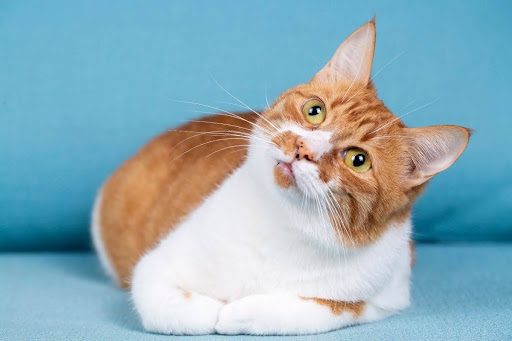
Have you ever noticed your cat making a strange, bird-like sound while watching a bird through the window? You may hear a quick “chirp,” “chatter,” or “tweet” instead of the familiar meow. Although this behavior can seem unusual, cat chirping is a common form of feline communication. The meaning can depend on what your cat is watching, doing, and experiencing at the moment.
Cats use a wide variety of vocalizations to express emotions, respond to their surroundings, and interact with people or other animals. Chirping may occur when a cat is excited, curious, focused, playful, or responding to something that activates its natural hunting instincts. Understanding the circumstances surrounding the sound can help you better interpret your cat’s behavior.
For cat owners looking for reliable information about feline behavior and health, knowing when an unusual vocalization is simply part of normal communication—and when it may deserve attention—is an important part of responsible pet ownership.
What Does a Cat Chirping Sound Like?
Cat chirping is usually a short, high-pitched vocalization that can sound somewhat like a bird. It may occur as a single sound or as a series of quick, repeated noises. Some cats also make a combination of chirping, chattering, trilling, or soft vocal sounds.
Unlike a traditional meow, which can vary greatly in length and pitch, a chirp is generally brief and repetitive. You may notice your cat moving its jaw quickly while making the sound, particularly when it is intensely focused on something nearby.
Every cat has its own personality and communication style. Some cats chirp frequently, while others rarely make the sound. A cat that suddenly begins chirping more often may simply have discovered a new source of excitement, such as birds outside a window or an especially engaging toy.
The sound itself is usually less important than the situation in which it occurs.
Why Do Cats Chirp?
There is no single explanation for every instance of cat chirping. In many situations, the sound appears to be associated with excitement, focused attention, hunting behavior, or social interaction.
Cat Chirping and the Hunting Instinct
One of the most common situations associated with chirping is watching prey. A cat may sit near a window and chirp while observing birds, squirrels, insects, or other small animals.
This behavior may reflect your cat’s strong predatory instincts. Domestic cats still retain many behaviors inherited from their wild ancestors. Watching a potential target can stimulate intense focus and excitement, even when the cat has no opportunity to actually chase it.
You may notice additional body language during these moments, such as:
- Focused staring
- Forward-facing ears
- A rapidly moving or twitching tail
- Crouching or stalking posture
- Sudden movements toward the window
- Repeated chirping or chattering
Cats may also chirp while playing with toys that resemble prey. A feather wand, toy mouse, or moving object can trigger similar hunting-related behaviors.
Excitement and Curiosity Can Trigger Chirping
Cats do not chirp only when they see prey. Some may make these sounds when they encounter something particularly interesting.
A new toy, an unfamiliar sound, another animal, or an unusual movement may capture your cat’s attention. Chirping can accompany this heightened state of curiosity.
For example, your cat may chirp when watching an insect crawl across the floor or when observing something moving outside. In these situations, the sound may simply be part of the cat’s reaction to an engaging experience.
Some Cats Chirp During Social Interaction
Chirping can also occur during interactions with people or other animals. Some cats use distinctive sounds when greeting their owners, asking for attention, or encouraging interaction.
If your cat approaches you, makes a chirping sound, and then walks toward a favorite toy or another area of the home, it may be trying to engage you in an activity.
Because cats have individual personalities, their communication styles can differ significantly. One cat may rely heavily on chirps and trills, while another may communicate mostly through meows, body language, or facial expressions.
What Is the Difference Between Chirping, Chattering, and Trilling?
Cat owners sometimes use the terms chirping, chattering, and trilling interchangeably. Although these sounds can overlap, they are not necessarily identical.
Chirping is typically a short, bird-like vocalization. It is often heard when a cat is watching something interesting or engaging in hunting-related behavior.
Chattering may involve a faster series of clicking or vibrating sounds, especially when a cat is intensely focused on prey. It is particularly noticeable when cats watch birds or other animals through windows.
Trilling tends to sound softer and more rolling. Some cats use trills as friendly social sounds when greeting people or seeking attention.
The exact meaning cannot always be determined simply by identifying the sound. Instead, observe the entire situation. Your cat’s ears, eyes, tail, posture, and behavior can provide valuable clues.
Why Does My Cat Chirp at Birds?
Birds are one of the most common triggers for cat chirping. A cat sitting at a window may become completely absorbed in watching a bird fly, hop, or feed nearby.
The combination of movement and distance can stimulate your cat’s hunting instincts. Because the bird is visible but inaccessible, your cat may remain intensely focused on it while chirping or chattering.
Some researchers and animal behavior experts have suggested several possible explanations for this behavior, including excitement, frustration, predatory arousal, or an instinctive response to prey. The exact reason may vary between individual cats.
It is important to remember that chirping at birds does not necessarily mean your cat is distressed. In many cases, the behavior is simply a natural response to an engaging stimulus.
However, pay attention to your cat’s overall body language. A relaxed, focused cat is different from a cat showing obvious signs of fear or distress.
Can Cats Chirp While Playing?
Yes. Play can activate many of the same instincts involved in hunting.
Your cat may chirp while chasing a toy, pouncing on a stuffed mouse, batting at a feather, or watching a moving object. These activities allow cats to practice behaviors such as stalking, chasing, grabbing, and pouncing.
You may notice your cat becoming especially vocal during an exciting play session. This is generally not concerning when the behavior occurs only during stimulating activities and your cat otherwise appears healthy and comfortable.
Providing appropriate interactive play can also help satisfy a cat’s natural need for mental and physical stimulation. Rotating toys and offering activities that encourage chasing, stalking, and problem-solving can make indoor environments more engaging.
How Can Cat Owners Interpret Chirping Behavior?
The best way to understand your cat’s chirping is to consider context rather than focusing on the sound alone.
Ask yourself:
- What was happening immediately before the chirping started?
- Was your cat watching a bird or another moving object?
- Was your cat playing with a toy?
- Was your cat approaching you?
- Did the chirping occur during feeding or another routine activity?
- Was your cat relaxed, excited, fearful, or agitated?
- Are there any other changes in behavior?
Keeping track of these patterns can help you understand your individual cat’s communication style.
For example, if your cat consistently chirps while watching birds from the window but otherwise eats, sleeps, plays, and behaves normally, the sound is likely part of its normal behavior.
On the other hand, if vocalization changes suddenly and is accompanied by other concerning symptoms, it deserves closer attention.
When Should You Be Concerned About Your Cat’s Vocalization?
Occasional chirping is generally a normal feline behavior. However, a significant change in vocalization can sometimes indicate that something is wrong.
You should pay attention if chirping or other vocalizations are accompanied by signs such as:
- Loss of appetite
- Vomiting or diarrhea
- Hiding more than usual
- Significant changes in activity
- Difficulty breathing
- Limping or apparent pain
- Confusion or disorientation
- Changes in litter box habits
- Excessive vocalization without an obvious trigger
- Sudden changes in normal behavior
Cats are skilled at hiding discomfort, so behavioral changes can sometimes be among the earliest clues that a health problem exists. Hartsdale Veterinary Hospital notes that changes in appetite, activity, behavior, and other symptoms may warrant veterinary evaluation, while its diagnostic services are available to investigate a range of health concerns.
If your cat’s chirping is accompanied by unusual symptoms or represents a significant change from its normal behavior, contact our animal hospital for guidance.
How Veterinary Care Can Help With Unusual Cat Behavior
Behavioral changes can have many possible explanations. A veterinarian can consider your cat’s age, medical history, environment, daily routine, and other symptoms when evaluating a change.
A physical examination may help identify potential medical causes of unusual behavior. Depending on the situation, diagnostic testing may also be recommended.
Veterinary care in Hartsdale can be especially helpful when a behavioral change occurs alongside physical symptoms. Diagnostic services may include laboratory testing and imaging when medically appropriate. Hartsdale Veterinary Hospital provides services including in-house laboratory testing, digital X-rays, and ultrasound to support the evaluation of different health concerns.
For owners searching for an animal clinic near you, it is useful to choose a veterinary team that understands both feline health and behavior. A familiar veterinary relationship can make it easier to recognize changes in your cat and determine when further evaluation is appropriate.
Creating a Cat-Friendly Environment for Natural Behaviors
Understanding chirping is only one part of supporting your cat’s overall well-being. Cats benefit from an environment that allows them to express natural behaviors safely.
Consider providing:
Interactive Toys
Toys that encourage chasing, stalking, and pouncing can give indoor cats opportunities to exercise their natural instincts.
Window Perches
A secure window perch can provide mental stimulation as your cat watches outdoor activity. If birds trigger excessive frustration, consider adjusting access or providing other enrichment activities.
Daily Play Sessions
Short, regular play sessions can help keep cats physically active and mentally engaged. Follow your cat’s interest level rather than forcing interaction.
Quiet Resting Areas
Cats need safe places where they can retreat and relax. Providing comfortable resting areas can help them feel secure within the home.
Consistent Observation
Pay attention to changes in your cat’s normal behavior. Knowing what is typical for your pet makes it easier to recognize meaningful changes.
Understanding Your Cat’s Unique Language
Cats communicate in many different ways, and chirping is one of the more interesting sounds they can make. Whether your cat chirps at birds, toys, people, or unfamiliar sights, the behavior often reflects excitement, curiosity, social interaction, or natural predatory instincts.
Rather than interpreting a chirp in isolation, observe what happens before and after the sound. Your cat’s posture, facial expressions, tail movements, activity level, and other behaviors can help you understand what it may be communicating.
Most importantly, know what is normal for your individual cat. A sudden change in vocalization, especially when accompanied by other physical or behavioral changes, should not be ignored. Regular veterinary care can help identify potential health concerns and support your cat’s long-term well-being.
For families seeking an animal hospital in Hartsdale, Hartsdale Veterinary Hospital provides comprehensive medical, surgical, diagnostic, dental, and feline care. The hospital serves Hartsdale and surrounding Westchester County communities, with a focus on personalized care for cats and dogs.
FAQs
1. Why do cats make chirping sounds?
Ans: Cats may chirp when they are excited, curious, focused, playful, or responding to something that activates their hunting instincts. Birds and other moving animals are common triggers, but individual cats may chirp in different situations.
2. Is cat chirping a normal behavior?
Ans: Yes. Chirping is a common feline vocalization and is usually normal when it occurs in familiar situations, such as watching birds or playing. The behavior should be considered alongside your cat’s overall body language and health.
3. Why does my cat chirp at birds?
Ans: Birds can trigger a cat’s natural predatory instincts. Your cat may become intensely focused on a bird’s movement and respond with chirping or chattering. The behavior may reflect excitement, hunting-related arousal, or frustration because the bird is out of reach.
4. Why does my cat chirp instead of meowing?
Ans: Cats have individual communication styles. Some cats naturally use chirps, trills, and other vocalizations more frequently than meows. If your cat has always communicated this way and appears healthy, chirping may simply be part of its normal personality.
5. Can kittens chirp too?
Ans: Yes. Kittens can make a variety of vocalizations, including chirps and trills. As they grow and interact with their surroundings, they may develop their own individual communication patterns.
6. When should I be concerned about my cat chirping?
Ans: Chirping itself is usually not concerning. However, if the vocalization suddenly changes or occurs with symptoms such as appetite loss, hiding, lethargy, pain, breathing difficulty, or other unusual behavior, a veterinary evaluation may be appropriate.