
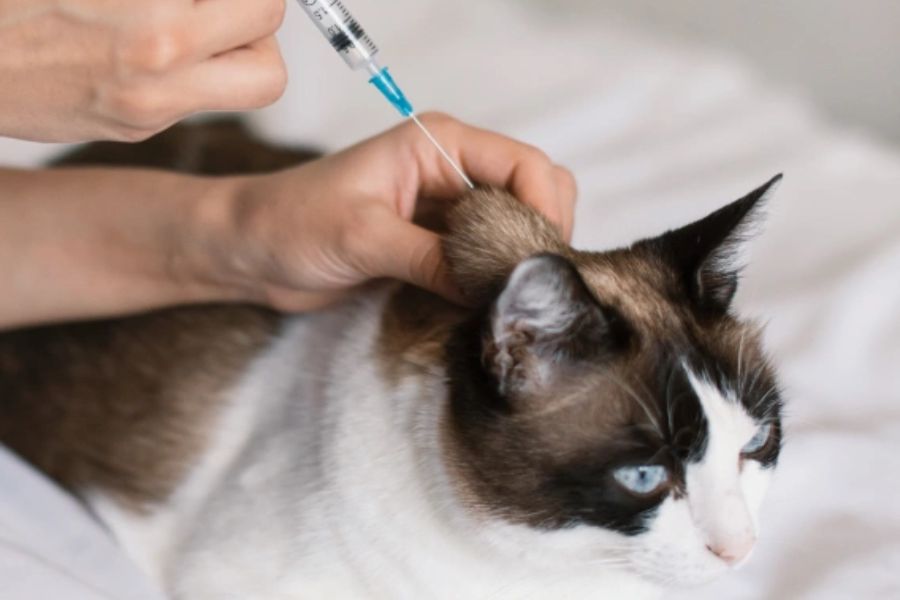
As a responsible pet owner, you do everything possible to keep your furry friend happy, active, and healthy. From nutritious meals to playful walks and cozy snuggles, your pet receives your constant care. But there’s one vital aspect of their wellbeing you might overlook—vaccinations.
Vaccinations are more than just shots—they’re shields that protect pets from potentially deadly diseases. In this guide, we’ll break down why pet vaccinations matter, what they prevent, and how they can ensure your pet lives a longer, safer life.
What Are Pet Vaccinations?
Vaccines help your pet’s immune system learn to spot and combat harmful germs. When you give a vaccine, it introduces a safe version of a virus or bacteria to the body.
This prompts your pet’s body to create antibodies, which stay ready to protect them from the real thing in the future.
There are two main types of vaccines:
- Core Vaccines: Recommended for all pets, regardless of their lifestyle or location.
- Non-Core Vaccines: Suggested based on a pet’s exposure risk, travel habits, and environment.
Why Vaccinating Your Pet Is Crucial
1. Protect Against Life-Threatening Diseases
Vaccines protect pets from serious illnesses like rabies, parvovirus, distemper, and feline leukemia. These diseases can spread quickly, cause immense suffering, and often prove fatal if left untreated.
For instance:
- Rabies is not only deadly but also a legal concern for pet owners.
- Canine distemper is a serious disease that impacts the respiratory, gastrointestinal, and nervous systems of dogs.
- Parvovirus in puppies can cause severe vomiting, diarrhea, and dehydration, often fatal without treatment.
By vaccinating your pet, you’re building an invisible wall between them and these invisible threats.
2. Stop the Spread to Other Pets and Humans
Many diseases are contagious. If one pet becomes infected, it can quickly spread through the community, especially in parks, grooming salons, or boarding facilities.
Some zoonotic diseases, like rabies or leptospirosis, can be transmitted from pets to people. Vaccinating your pet not only protects them but also safeguards your family and neighbors.
3. Avoid Expensive Treatments
Dealing with preventable diseases can be quite costly, stressful, and take up a lot of time. In contrast, vaccines are not only affordable but also quick to administer.
By investing in prevention now, you can avoid high veterinary bills later. Think of it as an insurance policy for your pet’s health—a small upfront cost with lifelong benefits.
When Should You Vaccinate Your Pet?
Puppies and Kittens
Young pets receive immunity from their mother’s milk, but this wears off after a few weeks. That’s why they require a series of vaccinations starting at 6 to 8 weeks of age. These are typically administered every 3 to 4 weeks until they’re about 16 weeks old.
Adult Pets
Even fully grown pets need booster shots to maintain immunity. Your veterinarian will create a customized vaccination plan that takes into account your pet’s age, health, lifestyle, and breed.
Pro Tip: Never assume your pet is “too old” for vaccines. Adult pets can still catch dangerous diseases if their immunity isn’t up to date.
Common Myths About Pet Vaccinations
Let’s bust a few myths that may keep pet owners from scheduling those important shots.
- “Indoor pets don’t need vaccines.”
Even indoor pets can be exposed through windows, shoes, or other pets. Fleas, ticks, and airborne viruses don’t knock before entering. - “Vaccines are unsafe.”
All vaccines are tested for safety and approved by veterinary authorities. Side effects, if any, are mild and short-lived. - “One vaccination lasts a lifetime.”
Immunity fades. Boosters are necessary to keep your pet protected year after year.
Your Role as a Pet Parent
Vaccinating your pet is part of being a responsible pet owner. Beyond feeding, grooming, and loving them, you also need to protect them. If you’re unsure about your pet’s vaccination status, schedule a visit with your local vet. It’s never too late to catch up.
If you’re seeking guidance on pet vaccinations in Hartsdale, NY, speak to your trusted veterinary clinic about personalized plans. They’ll ensure your pet gets the right protection at the right time.
Your pet trusts you with their life. Return that trust by giving them the best defense against disease—timely vaccinations. This simple act of care not only protects their health but also contributes to a safer, healthier community for everyone.
Don’t wait for symptoms to show up. Vaccinate early. Vaccinate regularly. Because when it comes to your pet’s health, prevention is the greatest gift of all.