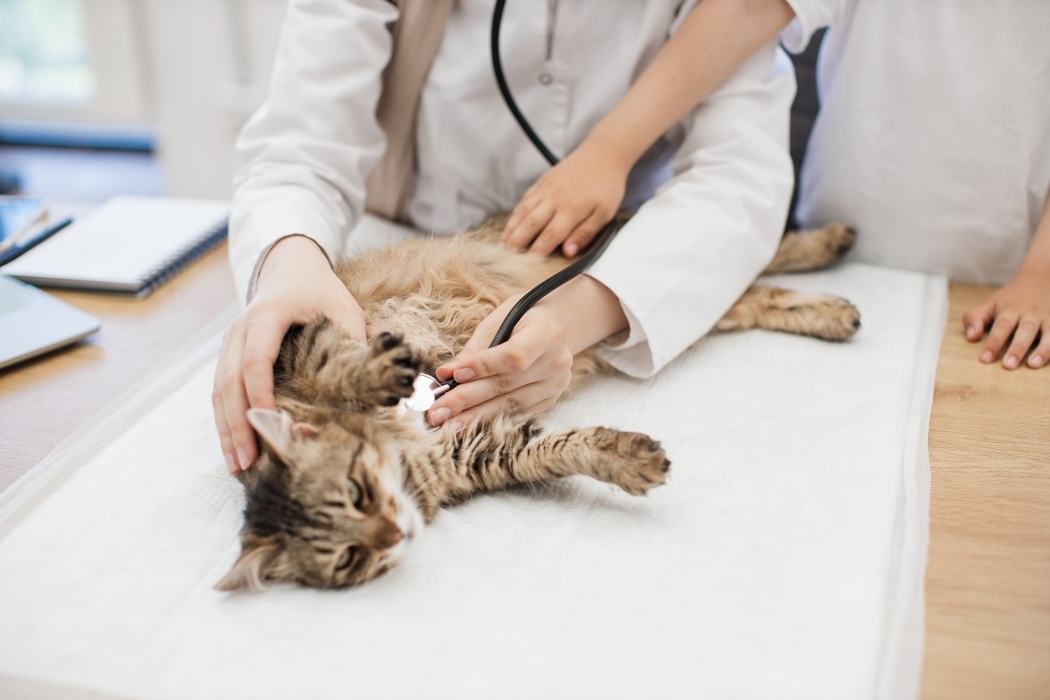
Cats are masters at hiding discomfort, which is why subtle changes in their behavior should never be ignored. One condition that can quickly become painful and serious is bladder stones. These hard mineral formations develop in a cat’s urinary tract and can lead to discomfort, infection, and even life-threatening urinary blockages if left untreated.
At Hartsdale Veterinary Hospital, pet owners in Hartsdale trust experienced veterinary care to help detect and treat urinary health issues early. Understanding the common symptoms of bladder stones can help you seek prompt treatment and protect your cat’s long-term health.
What Are Bladder Stones in Cats?
Bladder stones, also known as uroliths, are rock-like mineral deposits that form inside the bladder. These stones can vary in size, number, and mineral composition. Some are as tiny as grains of sand, while others can grow large enough to irritate the bladder lining or obstruct urine flow.
Several factors may contribute to bladder stone formation, including:
- Diet and hydration levels
- Urinary tract infections
- Genetics and breed predisposition
- Obesity
- Chronic urinary inflammation
- Changes in urine pH
Cats of all ages can develop bladder stones, but middle-aged and overweight cats may be at higher risk.
Why Early Detection Matters
Bladder stones can cause ongoing irritation and inflammation inside the bladder. If the condition progresses, some cats may experience a complete urinary blockage, especially male cats. A blockage prevents urination and becomes a medical emergency that requires immediate veterinary attention.
Recognizing symptoms early can help prevent severe pain, kidney damage, or life-threatening complications.
Frequent Trips to the Litter Box
One of the earliest and most common signs of bladder stones is increased urination attempts. Your cat may begin visiting the litter box more often than usual but only produce small amounts of urine.
Many cat owners mistake this symptom for constipation because the cat repeatedly squats or strains. However, urinary discomfort is often the underlying cause.
If you notice your cat entering and leaving the litter box frequently, it’s important to schedule a veterinary evaluation.
Straining or Difficulty Urinating
Cats with bladder stones often struggle to urinate comfortably. You may notice:
- Prolonged squatting in the litter box
- Vocalizing while urinating
- Tension or discomfort during urination
- Small urine droplets instead of a normal stream
Straining can indicate irritation or a partial blockage in the urinary tract. If your cat cannot pass urine at all, seek emergency veterinary care immediately.
Blood in the Urine
Blood in the urine, also called hematuria, is another major warning sign of bladder stones. The stones can rub against the bladder lining, causing inflammation and bleeding.
You may notice:
- Pink or red-tinted urine
- Blood spots in the litter box
- Dark discoloration in urine clumps
In some cases, the blood may only be detectable through laboratory testing, which is why regular veterinary exams are important.
Urinating Outside the Litter Box
Cats experiencing bladder discomfort may start urinating outside the litter box. This behavior is often misunderstood as a behavioral problem, but it may actually signal pain or urgency.
A cat with bladder stones may urinate on:
- Carpets
- Bedding
- Laundry piles
- Bathroom floors
If a previously litter-trained cat suddenly begins having accidents, a medical issue should always be considered first.
Excessive Licking Around the Genital Area
Pain and irritation caused by bladder stones can make cats excessively groom or lick their genital region. Some cats do this in an attempt to soothe discomfort.
You may notice:
- Frequent licking under the tail
- Redness or irritation around the urinary opening
- Restlessness or agitation
This symptom often accompanies other urinary signs and should not be ignored.
Signs of Pain or Discomfort
Bladder stones can make everyday activities uncomfortable for cats. Because cats tend to hide pain, behavioral changes are often the biggest clue.
Your cat may:
- Hide more often
- Become less social
- Show irritability when touched
- Lose interest in play
- Sleep more than usual
Some cats may also exhibit reduced appetite due to chronic discomfort.
Decreased Appetite and Low Energy
As bladder stones worsen, cats may begin feeling generally unwell. Pain, inflammation, or urinary obstruction can lead to:
- Poor appetite
- Vomiting
- Fatigue
- Weakness
These symptoms are especially concerning when combined with urinary issues. A blocked urinary tract can quickly become dangerous and requires urgent care.
Common Types of Bladder Stones in Cats
There are different types of bladder stones, and treatment may vary depending on the mineral composition. The most common types include:
Struvite Stones
These stones often form in alkaline urine and may sometimes be managed with prescription diets designed to dissolve them.
Calcium Oxalate Stones
These stones typically cannot be dissolved through diet alone and may require surgical removal or other procedures.
Veterinarians use diagnostic testing to determine the stone type and create the most effective treatment plan.
How Veterinarians Diagnose Bladder Stones
Diagnosing bladder stones involves a combination of physical examination and imaging tests. At Hartsdale Veterinary Hospital, veterinarians may recommend:
- Urinalysis
- Bloodwork
- X-rays
- Ultrasound imaging
- Urine culture testing
These diagnostic tools help identify stones, evaluate urinary health, and rule out infections or other urinary conditions.
Treatment Options for Bladder Stones
Treatment depends on the size, type, and severity of the stones.
Prescription Diets
Certain stones may dissolve with specially formulated veterinary diets that adjust urine chemistry.
Medications
Cats may receive medications for pain relief, inflammation control, or urinary tract infections.
Surgery
Larger stones or urinary blockages may require surgical removal.
Increased Hydration
Encouraging more water intake is often an important part of treatment and prevention. Cats that stay hydrated generally produce more diluted urine, reducing the risk of future stone formation.
Tips to Help Prevent Bladder Stones
While not all bladder stones can be prevented, there are several ways cat owners can support urinary health.
Encourage Water Consumption
Provide multiple fresh water sources throughout your home. Cat fountains may also encourage increased drinking.
Feed a Balanced Diet
Veterinary-recommended diets can help maintain proper urinary health and reduce mineral buildup.
Keep the Litter Box Clean
Monitoring litter box habits helps you identify changes early.
Maintain a Healthy Weight
Obesity may increase the risk of urinary problems in cats.
Schedule Routine Veterinary Exams
Regular wellness visits can help detect urinary issues before they become severe.
When Should You Call a Veterinarian?
Contact your veterinarian immediately if your cat shows signs such as:
- Straining to urinate
- Frequent litter box visits
- Blood in the urine
- Crying during urination
- Urinating outside the litter box
- Complete inability to urinate
Male cats are especially vulnerable to life-threatening urinary blockages, so prompt care is critical.
If you notice any symptoms of bladder stones, don’t wait for the condition to worsen. The veterinary team at Hartsdale Veterinary Hospital proudly serves cats and pet owners throughout Hartsdale with compassionate, advanced veterinary care. Book an appointment today to protect your cat’s urinary health and overall well-being.
FAQs
1. What causes bladder stones in cats?
Ans: Bladder stones can develop due to diet, dehydration, urinary infections, genetics, obesity, or changes in urine pH. Some cats may also be predisposed to urinary tract conditions.
2. Are bladder stones painful for cats?
Ans: Yes. Bladder stones can cause irritation, inflammation, and discomfort during urination. Severe cases may lead to urinary blockage, which is extremely painful and dangerous.
3. Can bladder stones go away on their own?
Ans: Some struvite stones may dissolve with prescription diets and veterinary treatment. However, many stones require medical intervention or surgery.
4. How can I tell if my cat has a urinary blockage?
Ans: Signs include repeated straining, crying in the litter box, lethargy, vomiting, and inability to urinate. This is a medical emergency that requires immediate veterinary care.
5. Are male cats more at risk for urinary blockage?
Ans: Yes. Male cats have narrower urethras, making them more likely to develop life-threatening urinary obstructions.
6. How can I help prevent bladder stones in my cat?
Ans: Encouraging hydration, feeding a veterinary-approved diet, maintaining a healthy weight, and scheduling regular veterinary checkups can help reduce the risk of bladder stones.