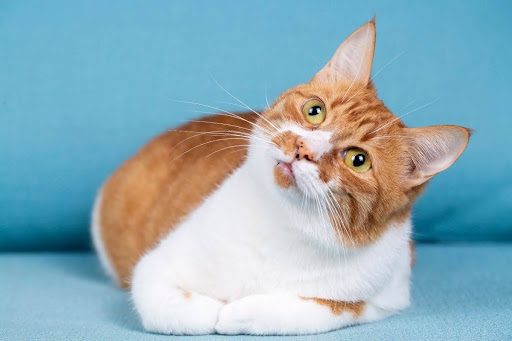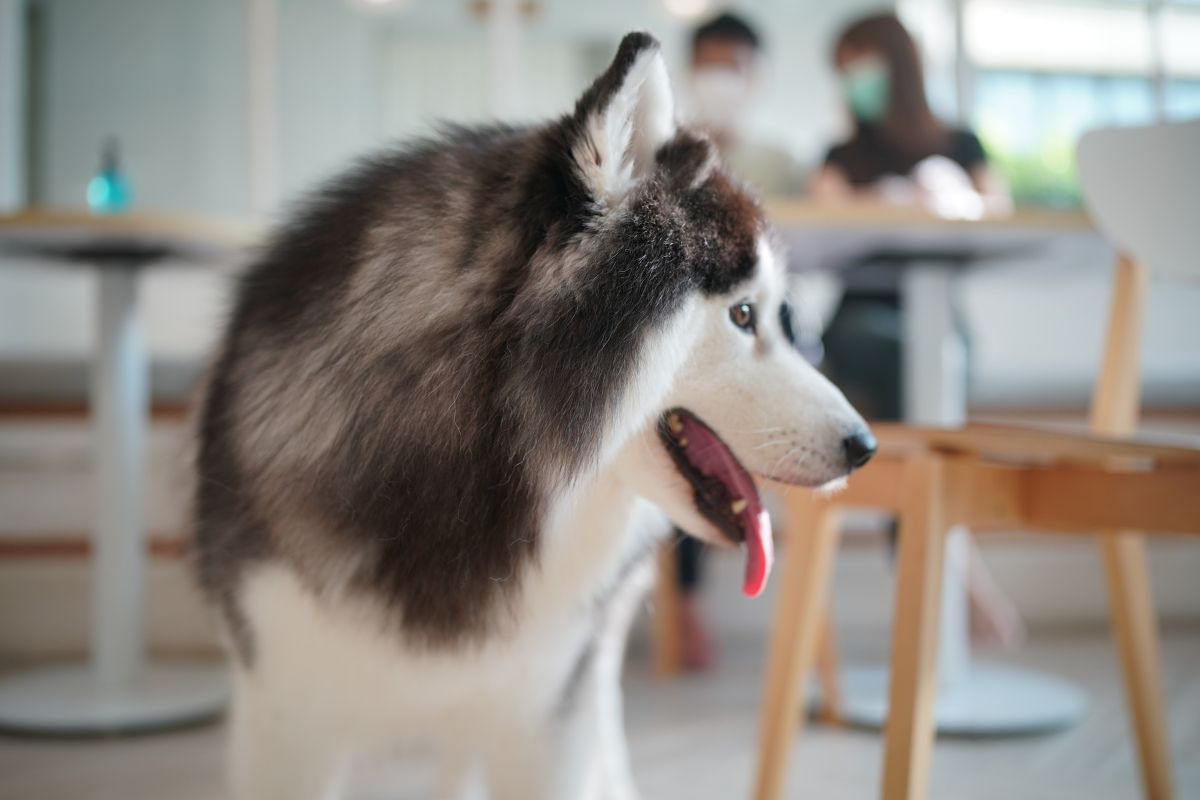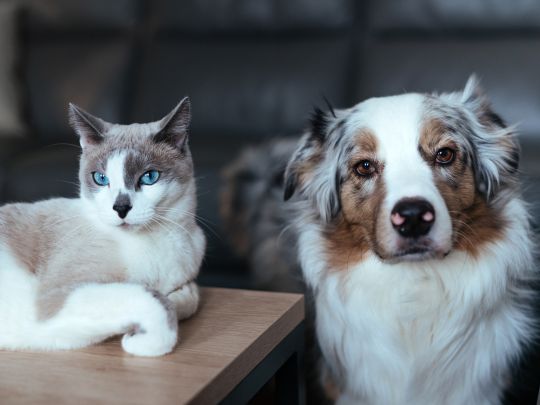
Dogs and cats experience temperature in ways that are similar to humans, but their bodies respond differently to changes in heat and cold. Factors such as body size, coat type, age, activity level, and overall health can influence how comfortable a pet feels in a particular environment. Understanding these differences can help pet owners create a safer and more comfortable home environment throughout the year.
A pet wellness exam can also help identify health or physical factors that may affect how well your dog or cat handles temperature changes. During routine examinations, a veterinarian evaluates areas such as body condition, heart and lung function, joints, skin, and other aspects of overall health.
How Dogs and Cats Regulate Body Temperature
Dogs and cats regulate their body temperature primarily through behavioral and physiological responses. However, they do not cool themselves in exactly the same way.
Dogs rely heavily on panting to release heat. When a dog pants, moisture evaporates from the respiratory tract, helping reduce body temperature. Dogs also have sweat glands in their paw pads, although these play a much smaller role in cooling than panting.
Cats are generally more efficient at maintaining their body temperature under normal conditions. They do not typically pant as a routine cooling method. Instead, cats may seek cooler surfaces, groom themselves, reduce activity, or move to shaded areas when they feel warm.
Because each animal is different, there is no single temperature at which every dog or cat will become uncomfortable.
Do Dogs Feel Cold Differently Than Cats?
Both dogs and cats can become uncomfortable in cold conditions, but their tolerance varies considerably.
A large dog with a thick double coat may remain comfortable in cooler temperatures for longer than a small, short-haired dog. Similarly, cats with dense coats may tolerate cooler environments better than cats with very little hair.
Body condition also matters. Pets with low body weight may have less insulation against cold temperatures. Puppies, kittens, senior pets, and animals with certain health conditions may also have a harder time maintaining a stable body temperature.
Instead of relying only on the outdoor temperature, watch your pet’s behavior. Shivering, curling tightly into a ball, seeking warm areas, lifting paws, or becoming less active may indicate that your pet is uncomfortable.
How Do Dogs and Cats Handle Hot Weather?
Warm temperatures can affect both dogs and cats, particularly when humidity is high or airflow is limited.
Dogs are especially dependent on panting to cool themselves. A thick coat, excess body weight, age, and certain physical characteristics can make heat regulation more difficult.
Cats may respond to warmth by becoming less active, grooming more frequently, or looking for cool surfaces. Although cats are often good at finding comfortable places, they can still become overheated when environmental conditions are too warm.
Pet owners should provide access to fresh water, shade, comfortable indoor temperatures, and well-ventilated spaces. Never assume that a pet is comfortable simply because it is not showing obvious signs of distress.
Why Breed, Age, and Coat Type Matter
Temperature tolerance is not the same for every pet. Breed characteristics can have a significant influence on how an animal responds to environmental temperatures.
For example, thick-coated dogs may retain body heat more effectively in cold weather, while short-coated breeds may lose heat more quickly. Small dogs also have a larger surface-area-to-body-mass ratio, which can affect how quickly they gain or lose heat.
Cats have their own differences. Coat length, body size, age, and overall condition can influence their ability to stay comfortable.
Age is another important consideration. Young pets are still developing their ability to regulate body temperature, while older pets may have changing nutritional, metabolic, or physical needs. Routine veterinary care allows these factors to be monitored over time. Hartsdale Veterinary Hospital recommends regular wellness examinations to help monitor changes in a pet’s health and detect concerns early.
Signs Your Pet May Be Too Hot or Too Cold
Knowing your pet’s normal behavior makes it easier to recognize changes. Signs that a pet may be uncomfortable in the cold can include:
- Shivering or trembling
- Seeking blankets or warm areas
- Curling into a tight position
- Reduced activity
- Lifting paws from cold surfaces
Signs associated with excessive heat may include:
- Increased panting in dogs
- Seeking cool floors or shaded areas
- Reduced activity
- Excessive grooming in cats
- Changes in normal behavior
These signs do not always indicate a temperature-related problem. Changes in behavior can have many possible causes, which is why persistent or unusual changes should be discussed with a veterinarian.
How a Vet Can Help You Understand Your Pet’s Needs
A veterinarian can consider your pet’s age, breed, weight, lifestyle, coat type, and overall health when discussing temperature tolerance. A comprehensive examination can also establish a useful baseline for future comparisons.
Regular veterinary care in Hartsdale can be especially helpful for senior pets or animals with changing health needs. Hartsdale Veterinary Hospital’s wellness services include physical examinations and monitoring of factors such as weight, body condition, diet, behavior, and lifestyle.
Pet owners who are looking for an animal hospital near you can also use routine wellness visits as an opportunity to ask questions about seasonal comfort, nutrition, exercise, indoor temperature, and other aspects of daily care.
Creating a Comfortable Environment for Your Pet
Simple adjustments can make your home more comfortable for both dogs and cats. During colder weather, provide a dry, comfortable resting area away from drafts. During warmer weather, make sure your pet has access to water and a cool, well-ventilated area.
Avoid making sudden environmental changes whenever possible. Instead, allow pets to move between comfortable areas so they can adjust according to their needs.
It is also important to consider your pet’s lifestyle. A dog that spends considerable time outdoors may have different needs from a dog that primarily stays indoors. Likewise, an indoor cat may have fewer opportunities to regulate its environment naturally than an outdoor cat.
Supporting Your Pet’s Comfort Through Every Season
Understanding how dogs and cats respond to temperature can help you make better everyday decisions about their environment. Paying attention to behavior, coat type, age, body condition, and lifestyle can give you useful clues about what your pet needs.
For families seeking a trusted vet in Hartsdale, routine wellness care provides an opportunity to monitor your pet’s health and discuss seasonal concerns with a veterinary professional. Hartsdale Veterinary Hospital provides comprehensive veterinary services for pets throughout Hartsdale and surrounding Westchester County communities.
If you have questions about your pet’s temperature tolerance or overall well-being, schedule an appointment with our animal hospital to discuss your concerns with the veterinary team.
Frequently Asked Questions
1. Do dogs and cats have different normal body temperatures?
Ans: Yes. Dogs and cats have naturally higher body temperatures than humans, although normal ranges can vary. A veterinarian can determine whether a measured temperature is appropriate based on the individual pet and circumstances.
2. Are cats better at handling cold weather than dogs?
Ans: Not necessarily. Cold tolerance depends on factors such as coat thickness, body size, age, body condition, and overall health. Some cats tolerate cooler temperatures well, while others may become uncomfortable quickly.
3. Why does my dog pant when it is hot?
Ans: Panting is one of the primary ways dogs release heat. Evaporation from the respiratory tract helps cool the body. Excessive or unusual panting, however, should not automatically be assumed to be caused by temperature.
4. Why does my cat seek cool surfaces during warm weather?
Ans: Cats may seek cool floors, shaded areas, or other comfortable surfaces when they feel warm. They may also reduce activity or groom themselves more frequently as part of their natural response to heat.
5. Can age affect how my pet handles temperature changes?
Ans: Yes. Puppies, kittens, and senior pets may have different temperature regulation needs than healthy adult animals. Older pets may also experience changes in their overall health that influence their ability to adapt to environmental conditions.
6. Should temperature tolerance be discussed during a wellness visit?
Ans: Yes. A wellness visit is a good opportunity to discuss your pet’s seasonal habits, lifestyle, weight, behavior, and any changes you have noticed. Regular examinations can help your veterinarian understand your pet’s overall health and provide appropriate guidance.