Every pet owner knows the joy of seeing a beloved dog or cat peacefully asleep. Their unusual sleeping poses can be adorable, funny, and sometimes surprisingly informative.
Your pet’s sleeping position may offer clues about comfort, temperature, security, and physical well-being. However, one position alone cannot tell you exactly how your pet feels.
Understanding common pet sleeping positions can help you notice meaningful changes in your companion’s everyday routine. More importantly, knowing what is normal makes unusual behavior easier to recognize. If you are interested in learning more about pets’ sleeping behavior, read this blog till the end.
Why Does Your Pet’s Sleeping Position Matter?
Dogs and cats naturally adjust their sleeping posture based on their surroundings and comfort. Temperature, bedding, noise, activity, age, and physical health can all influence their preferred position.
Some pets stretch across an entire bed when completely relaxed. Others prefer curling tightly into a small ball. Neither position is automatically better than the other.
Instead, pay attention to your pet’s usual habits and watch for significant changes. A sudden shift in pet sleep behavior may sometimes accompany pain, anxiety, illness, or environmental discomfort.
Different Sleeping Positions in Pets and What They Mean
Here are common positions and what they may suggest.
Sleeping Curled Into a Ball
Many dogs and cats sleep with their bodies curled tightly and their noses near their tails. This position can help conserve body heat. It also protects the abdomen and other vulnerable areas while your pet rests.
A curled position is common during colder weather or in cooler rooms. Some pets simply find this posture naturally comfortable. However, consider changes in the bigger picture. A pet that suddenly remains tightly curled may be feeling cold, anxious, or physically uncomfortable. Watch for additional changes involving appetite, movement, energy, or social behavior.
Sleeping Stretched Out on the Side
Side sleeping usually allows the legs, neck, and body muscles to relax. Many pets choose this position when they feel comfortable in their surroundings. Dogs may also twitch, move their paws, or make small noises during deeper sleep.
These movements can occur during normal dream-related sleep. Side sleeping can also make changes easier to notice. Watch whether your pet suddenly avoids one side or struggles while lowering themselves. Those changes may deserve veterinary attention, particularly in older pets.
Sleeping on the Back With the Belly Exposed
A dog sleeping belly-up can look especially amusing. Cats may also expose their bellies while sleeping. The abdomen is a vulnerable part of the body. Therefore, exposing it may indicate that your pet feels secure within their environment.
This position may also help with cooling. The abdominal area generally has less insulating fur than other parts of the body. Still, interpret pet sleeping positions within the context of your pet’s normal habits. Excessive panting, weakness, or breathing changes should never be dismissed as simple sleeping preferences.
Sleeping Flat on the Belly
Some dogs sleep on their stomachs with their legs extended forward and backward. This posture is sometimes called the “Superman” position. Younger and highly active dogs commonly rest this way. The position allows them to rise quickly when something catches their attention.
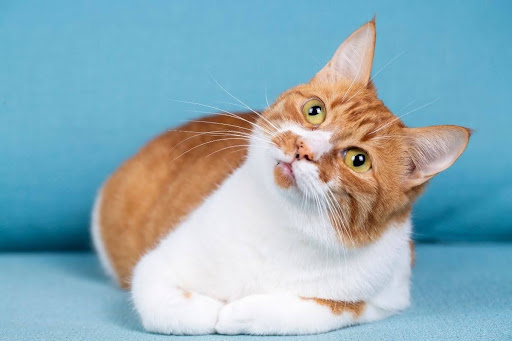
A pet resting on their stomach may be comfortable while remaining ready for activity. Cats may also rest on their stomachs with their paws tucked underneath them. This familiar “loaf” posture often allows comfortable rest without completely disengaging from their surroundings.
Sleeping Pressed Against You or Another Pet
Does your pet always find a way to sleep beside you? Close-contact sleeping may provide warmth, security, and social connection. Dogs and cats can also sleep beside other animals with whom they feel comfortable.
For many families, this behavior becomes part of a familiar daily routine. A sudden change still deserves attention. An independent pet that suddenly seeks constant physical contact may be experiencing stress or discomfort. Likewise, a normally affectionate pet suddenly isolating themselves could signal that something has changed.
Sleeping in a Hidden or Enclosed Space
Cats commonly choose boxes, covered beds, closets, and other enclosed locations for naps. These spaces can provide warmth and a sense of security. Some dogs also enjoy covered beds or quiet corners away from household activity.
The behavior itself is often normal. However, sudden hiding combined with reduced appetite, low energy, or unusual behavior deserves closer observation. Cats can be particularly subtle when experiencing pain or illness. Knowing your companion’s normal sleep behavior helps you recognize these changes earlier.
When Can a Sleeping Position Suggest Discomfort?
The position itself often matters less than a sudden change in your pet’s normal routine.
For example, a senior dog may repeatedly stand and lie down because comfortable positioning has become difficult. Joint discomfort or arthritis could contribute to that restlessness.
Other concerning changes can include:
- Repeatedly changing positions without settling
- Crying or whimpering while getting comfortable
- Suddenly avoiding a previously preferred sleeping position
- Sleeping much more or less than usual
- Difficulty standing after resting
- New nighttime pacing or restlessness
- Coughing or unusual breathing while resting
- Hiding more frequently than usual
- Reduced appetite or interest in normal activities
Painful conditions can sometimes prevent pets from settling comfortably. Nighttime pacing in older pets may also accompany cognitive or medical changes.
Contact your veterinarian when these behaviors are persistent, sudden, or accompanied by other symptoms.
How Can You Make Your Pet’s Sleeping Area More Comfortable?
Your pet should have a quiet, clean, and comfortable place where they can rest without frequent disturbances. Choose bedding that suits their size, age, and mobility. Older animals may appreciate supportive bedding that reduces pressure on sensitive joints.
Keep sleeping areas away from extreme heat, cold drafts, and excessive household noise. Cats often appreciate several resting choices. These may include elevated locations, quiet hiding areas, and comfortable beds in familiar rooms.
Regular physical activity can also support healthy rest. Exercise should always match your pet’s age, physical condition, and veterinary recommendations. Most importantly, observe their normal routine. Familiarity with typical sleeping positions makes meaningful changes easier to identify.
When Should You Talk to Your Veterinarian?
Contact your veterinarian when a sleep change appears suddenly or continues without an obvious explanation. Pay particular attention when unusual sleep accompanies pain, appetite changes, weakness, limping, coughing, or breathing difficulties.
Senior pets deserve especially careful observation. Aging can bring changes involving joints, organ function, hormones, and cognitive health. Regular veterinary examinations can identify some health concerns before obvious symptoms develop.
Hartsdale Veterinary Hospital provides preventive wellness care, diagnostic testing, urgent care, and senior pet care in Hartsdale. Our team evaluates the complete picture rather than relying on one behavior alone.
Pay Attention to the Little Changes in Your Pet
The way your pet sleeps is one small part of their overall health story. Most unusual-looking positions simply reflect comfort, warmth, trust, or personal preference. What matters most is knowing what is normal for your companion.
Changes in pet sleep behavior can become more meaningful when combined with other physical or behavioral signs. If your pet suddenly struggles to rest comfortably, do not ignore the change. Your observations can provide valuable information during a veterinary examination.
At Hartsdale Veterinary Hospital, we are committed to helping pets throughout Hartsdale and surrounding Westchester County communities stay comfortable and healthy. Schedule an appointment if you have concerns about changes in your pet’s sleep, comfort, mobility, or general behavior.
Frequently Asked Questions
1. Why does my dog sleep on their back with their legs in the air?
Ans: Dogs may choose this position when they feel relaxed and secure. Exposing the abdomen can also help release body heat.
2. Why does my pet suddenly sleep in a different position?
Ans: Temperature, bedding, stress, activity, and comfort can change sleeping preferences. Persistent changes accompanied by other symptoms should receive veterinary attention.
3. Does curling into a ball mean my pet is cold?
Ans: It can. Curling helps conserve body heat and protect vulnerable areas. However, some pets naturally prefer this position regardless of temperature.
4. Why does my cat sleep with their paws tucked underneath them?
Ans: This position is commonly called the “loaf.” Many cats use it while resting comfortably but remaining able to respond quickly.
5. Should I worry if my pet keeps changing positions while sleeping?
Ans: Occasional repositioning is normal. Repeatedly getting up without settling may indicate discomfort, especially when the behavior is new or persistent.
6. Why is my senior pet becoming restless at night?
Ans: Pain, cognitive changes, anxiety, and certain medical conditions can contribute to nighttime restlessness. A veterinary examination can help determine the cause.
7. When should changes in my pet’s sleeping habits concern me?
Ans: Seek veterinary guidance when changes are sudden, persistent, or accompanied by other symptoms. Breathing problems, weakness, pain, appetite loss, or unusual lethargy deserve prompt attention.