Pets fill our lives with boundless joy, companionship, and love. As our furry friends grow older, they deserve the same level of care and attention they have always given us. Just like humans, dogs and cats face physical and emotional changes as they age.
By adapting their lifestyle and healthcare routine, you can ensure they remain comfortable, active, and happy. Let’s explore effective ways to support your senior pets so they thrive during their golden years.
Understanding the Aging Process in Pets
Aging looks different for every pet. Large-breed dogs may begin showing signs of old age as early as seven, while smaller breeds and cats may not act “senior” until they are around ten. Common age-related changes include slower movement, decreased stamina, vision or hearing loss, and an increased risk of health issues such as arthritis, kidney disease, and dental problems.
Monitoring subtle changes in behavior, appetite, or mobility is the first step toward giving them the right support.
Nutrition Matters: Feeding for Longevity
Eating a balanced diet is key to staying healthy. Senior pets require nutrition that supports joint health, digestion, and overall vitality. Consider switching to senior-specific formulas, which are designed with fewer calories and more essential nutrients.
Additionally, high-quality protein, omega-3 fatty acids, and antioxidants play a key role in supporting muscle strength, reducing inflammation, and boosting the immune system. Always consult your veterinarian before making dietary changes, as your pet’s health conditions should guide their diet.
The Role of Regular Veterinary Checkups
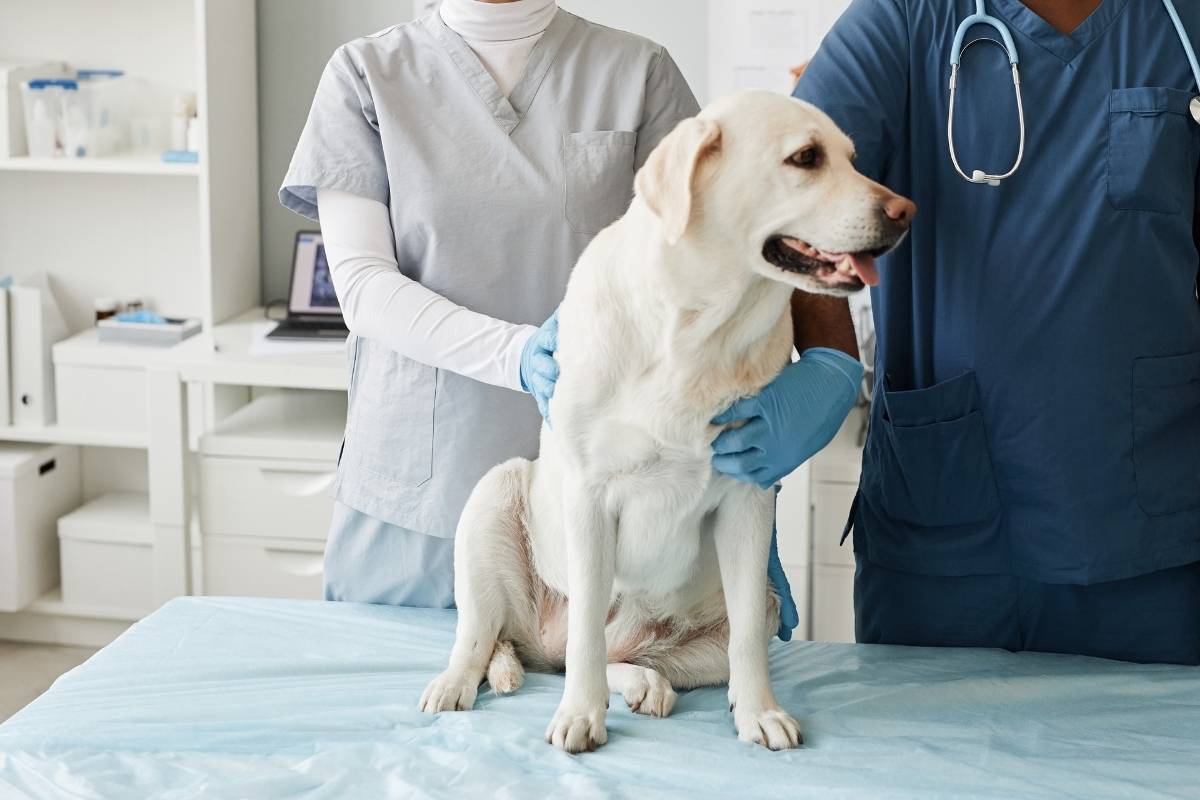
One of the most effective ways to ensure your pet’s well-being is scheduling routine veterinary visits. For senior dogs and cats, biannual checkups are highly recommended. These visits give veterinarians the chance to spot early signs of illness and offer preventive care.
During a wellness exam, your vet may recommend blood work, dental evaluations, and screenings for common age-related conditions. If you’re looking for trusted senior pet care in Hartsdale, NY, we can provide guidance tailored to your pet’s unique needs.
Keeping Senior Pets Active and Engaged
Although senior pets may not run as fast or jump as high as they once did, exercise remains vital for their physical and mental well-being. Gentle daily walks, low-impact play sessions, and interactive toys keep them moving while strengthening the bond you share.
Mental stimulation is equally important. Puzzle feeders, training new tricks, and even short social interactions can prevent boredom and support cognitive health. By keeping your pet engaged, you help them maintain confidence and happiness.
Comfort at Home: Creating a Senior-Friendly Environment
Small adjustments around your home can make a world of difference for an aging pet. For instance, orthopedic pet beds reduce pressure on joints, while ramps or stairs make it easier for pets to access their favorite resting spots.
Ensure food and water bowls are easy to reach, and provide warm, quiet areas where they can relax without being disturbed. Simple changes like these not only reduce physical strain but also improve your pet’s overall quality of life.
Prioritizing Dental Health
Dental care is something that often slips our minds, but it’s super important for our senior pets.
Untreated dental disease can lead to pain, difficulty eating, and even systemic health issues affecting the heart, liver, and kidneys. Regular professional cleanings, along with at-home brushing or dental chews, can keep your pet’s teeth and gums in top condition.
Managing Pain and Mobility Issues
Arthritis and joint pain are common in older pets. While these conditions may not be curable, they can be managed effectively. Your veterinarian may recommend joint supplements, pain medications, or physical therapy. In some cases, acupuncture or laser therapy can also provide relief. Consult with the compassionate team at Hartsdale Veterinary Hospital.
Staying at a healthy weight is crucial for reducing stress on your joints. You’d be surprised at how even a small amount of weight loss can greatly enhance your mobility and overall comfort.
Showing Extra Love and Patience
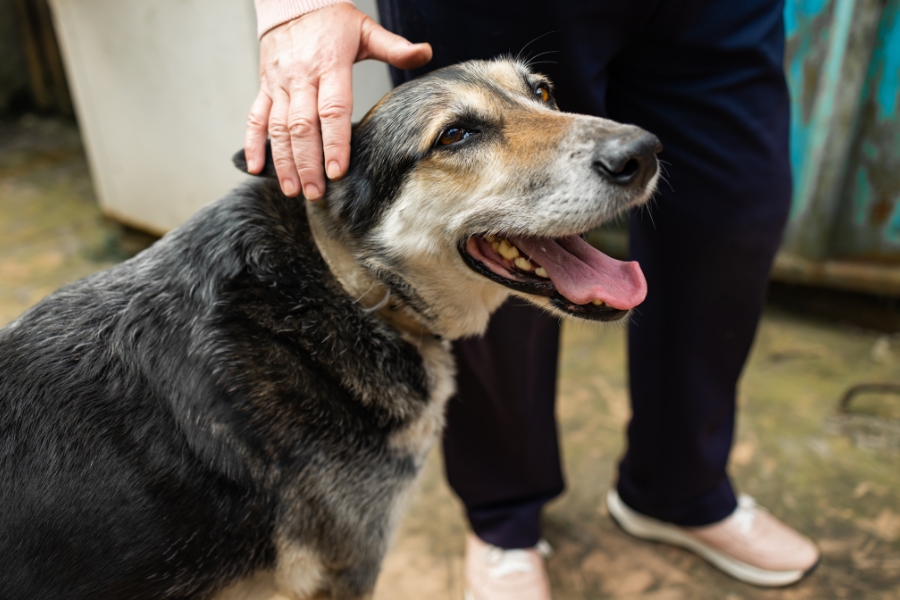
One of the key things to remember about caring for senior pets is the emotional bond you create with them. Older pets may need more reassurance, gentler handling, and extra affection. Be patient with changes in behavior or energy levels. Celebrate their milestones and continue to include them in your daily life.
The bond with an aging pet is incredibly special—it reflects years of loyalty, joy, and companionship. By embracing this stage with love and attentiveness, you can give your dog or cat the dignified and joyful life they deserve.
Caring for a senior pet is both a responsibility and a privilege. By focusing on proper nutrition, regular veterinary care, gentle exercise, and a supportive home environment, you can ensure your beloved companion enjoys comfort and happiness in their later years. Remember, every small effort adds to their quality of life, and in return, they continue to enrich yours.