As dogs grow older, their needs change in subtle but important ways. While aging is a natural process, it often comes with physical limitations, slower movement, and changes in behavior. However, getting older does not mean your dog cannot enjoy life. With thoughtful care and proactive attention, you can help your senior dog stay comfortable, happy, and engaged.
Many age-related issues can be managed effectively when addressed early. From nutrition and exercise to home comfort and emotional support, small adjustments can make a big difference. This guide explores practical, veterinarian-approved ways to enhance your dog’s golden years, especially for pet families living in Hartsdale, NY.
Understanding the Changing Needs of Senior Dogs
Senior dogs experience gradual changes in metabolism, mobility, and sensory function. As a result, they may become less active, sleep more, or struggle with everyday movements. Additionally, aging dogs are more prone to chronic conditions such as arthritis, dental disease, and organ dysfunction.
Recognizing these changes allows you to adapt routines and provide better support. Proactive senior dog care helps slow the progression of age-related issues and improves overall comfort and longevity.
Adjust Their Diet to Support Aging Bodies
Nutrition plays a critical role in maintaining health during your dog’s senior years. As metabolism slows, calorie needs decrease, but nutritional requirements remain high.
A well-balanced senior diet should support:
- Joint health with glucosamine and chondroitin
- Digestive function with fiber and probiotics
- Immune strength with antioxidants
- Muscle maintenance through high-quality protein
At the same time, avoid excessive treats and table scraps, as they may contribute to weight gain and digestive upset. Always ensure access to fresh, clean water to support hydration and kidney health.
Encourage Gentle, Consistent Exercise
Although senior dogs may not run or jump like they once did, regular movement remains essential. Gentle exercise supports circulation, flexibility, and mental stimulation.
Helpful activities include:
- Short daily walks at a relaxed pace
- Light play sessions with soft toys
- Swimming for low-impact joint movement
- Mental enrichment such as puzzle toys or scent games
However, observe your dog closely. If they show signs of fatigue or discomfort, reduce activity levels. Consistency matters more than intensity.
Schedule More Frequent Veterinary Visits
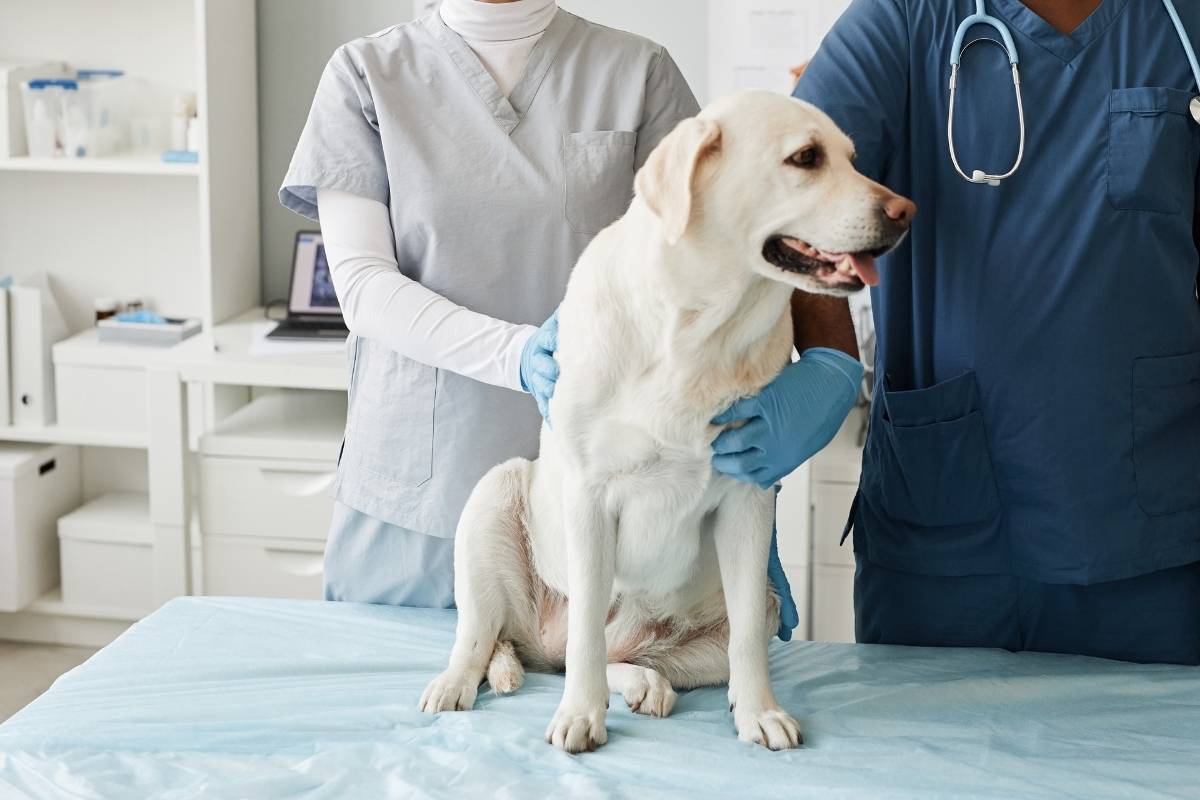
As dogs age, routine checkups become increasingly important. Most senior dogs benefit from veterinary exams every six months rather than once a year.
During these visits, your veterinarian can:
- Screen for arthritis, diabetes, and kidney disease
- Monitor weight and mobility changes
- Adjust medications or supplements
- Perform dental evaluations
- Update preventive care plans
Early detection allows for timely treatment and better long-term outcomes.
Create a Comfortable and Safe Living Environment
Mobility challenges often affect senior dogs. Fortunately, small home modifications can significantly improve comfort and safety.
Consider:
- Orthopedic beds for joint support
- Non-slip rugs on slippery floors
- Pet stairs or ramps for furniture access
- Raised food and water bowls to reduce strain
Additionally, provide a quiet, warm resting area away from drafts and loud noises. Comfort promotes better sleep and reduces stress.
Maintain Proper Dental Health
Dental disease is common in older dogs and often overlooked. Infections in the mouth can cause pain, appetite loss, and even affect major organs.
To protect oral health:
- Brush teeth regularly using pet-safe toothpaste
- Offer veterinarian-approved dental chews
- Schedule professional cleanings when recommended
Healthy teeth and gums improve comfort and overall wellness.
Watch for Behavioral and Cognitive Changes
Behavioral changes may signal discomfort or cognitive decline. Some senior dogs become anxious, disoriented, or withdrawn. Others may pace, vocalize at night, or forget familiar routines.
These changes may relate to:
- Canine cognitive dysfunction
- Vision or hearing loss
- Chronic pain
- Anxiety or depression
Discuss any behavioral shifts with your veterinarian. Treatment options may include dietary changes, supplements, medication, or environmental adjustments.
Provide Emotional Support and Consistency
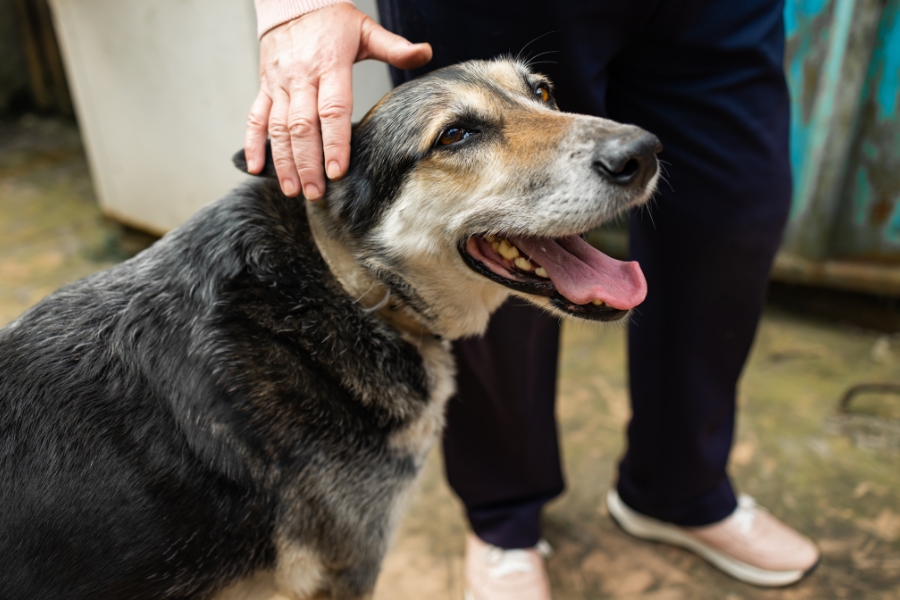
Emotional well-being is just as important as physical health. Senior dogs thrive on routine, affection, and reassurance.
Maintain consistent feeding and walking schedules. Offer gentle interaction, calm praise, and quality time. Your patience and presence provide comfort and security during this stage of life.
Supporting your dog emotionally is a key part of senior dog care and helps them remain confident and relaxed as they age.
The Importance of a Proactive Approach
Your dog’s senior years can still be joyful and fulfilling. By focusing on nutrition, exercise, comfort, and preventive care, you help reduce discomfort and enhance daily life.
Every dog ages differently, so personalized care plans work best. Close collaboration with your veterinarian ensures your dog receives the attention they deserve throughout their golden years.
Aging may bring new challenges, but it also offers an opportunity to deepen the bond you share with your dog. With thoughtful adjustments, regular veterinary care, and plenty of love, you can greatly improve your senior dog’s quality of life.
If you are in Hartsdale, NY and looking for a senior dog care, book an appointment with Hartsdale Veterinary Hospital. Our veterinary team is dedicated to providing compassionate, personalized support to help your dog age comfortably and gracefully.
FAQs
Q1. What are the most common health issues in senior dogs?
Ans. Senior dogs commonly face arthritis, dental disease, vision or hearing loss, weight changes, and organ-related conditions such as kidney or heart disease.
Q2. How can I tell if my senior dog is uncomfortable or in pain?
Ans. Signs may include stiffness, difficulty standing, limping, reduced appetite, behavioral changes, or avoiding activities they once enjoyed.
Q3. Do senior dogs need a different daily routine?
Ans. Yes. Older dogs benefit from consistent routines with gentler exercise, more rest periods, and predictable feeding and walking times.
Q4. Can lifestyle changes really improve a senior dog’s quality of life?
Ans. Absolutely. Proper nutrition, comfortable bedding, regular veterinary care, and emotional support can significantly enhance comfort and happiness.
Q5. Are supplements helpful for aging dogs?
Ans. Many senior dogs benefit from joint, omega-3, or antioxidant supplements, but these should always be recommended by a veterinarian.
Q6. When should I be concerned about behavioral changes in my senior dog?
Ans. Sudden confusion, anxiety, aggression, or house-soiling may signal pain or cognitive decline and should be discussed with a veterinarian promptly.