Pets depend on their owners and veterinarians to protect their health and well-being. While routine checkups are important, many health conditions cannot be detected through a physical exam alone. That is why diagnostic testing plays a vital role in modern veterinary medicine.
Diagnostic tests allow veterinarians to look deeper into your pet’s health. Through laboratory analysis, imaging technology, and specialized screenings, veterinary professionals can identify illnesses, monitor chronic conditions, and detect diseases in their early stages.
Early detection often leads to faster treatment and better outcomes. Additionally, diagnostic testing helps veterinarians create personalized care plans that address the specific needs of each pet.
For pet owners, understanding the importance of veterinary diagnostics can make a major difference in maintaining a pet’s long-term health. These tools provide valuable insights that support preventive care and timely medical intervention. If you live in Hartsdale, NY, learning about diagnostic services can help you make informed healthcare decisions for your pet.
Why Diagnostic Testing Is Important for Pets
Pets cannot describe their symptoms, which makes it challenging to detect medical issues early. Many diseases develop gradually and may not show obvious signs until they become serious.
Diagnostic testing helps veterinarians identify these hidden problems before they progress. For example, blood tests can reveal organ dysfunction, infections, or hormonal imbalances long before symptoms appear.
Furthermore, testing allows veterinarians to monitor changes in a pet’s health over time. By comparing current results with previous records, veterinary professionals can track disease progression and adjust treatment plans accordingly.
Providing regular pet diagnostic care ensures that pets receive proactive medical attention and timely treatment.
Common Signs Your Pet May Need Diagnostic Testing
While diagnostic tests are often part of routine wellness exams, certain symptoms may signal the need for immediate evaluation.
Pet owners should watch for signs such as:
- Sudden changes in appetite
- Unexplained weight loss or gain
- Persistent vomiting or diarrhea
- Excessive thirst or urination
- Lethargy or decreased activity
- Difficulty breathing
- Changes in behavior
These symptoms may indicate underlying health problems that require further investigation. When these signs appear, veterinarians may recommend diagnostic testing to determine the exact cause.
Early evaluation helps prevent minor issues from becoming serious health concerns.
Types of Diagnostic Tests Used in Veterinary Medicine
Veterinary clinics use a variety of diagnostic tools to assess a pet’s health. Each test provides valuable information about different aspects of the body.
Blood Tests
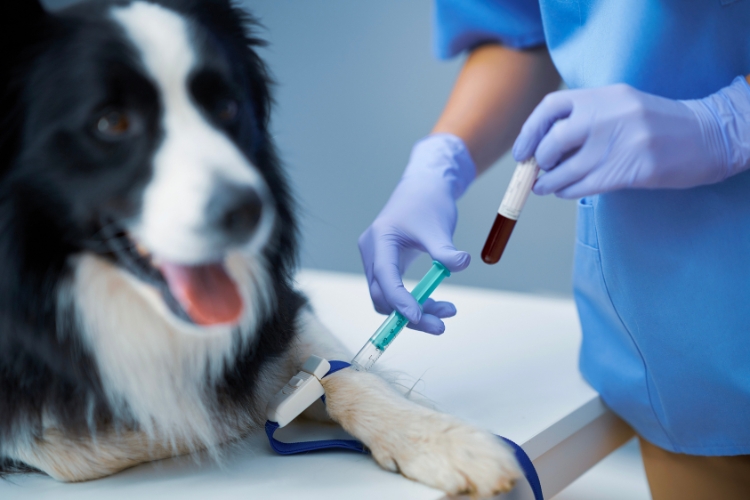
Blood testing is one of the most common diagnostic procedures in veterinary medicine. These tests analyze red and white blood cells, organ function, and chemical levels in the bloodstream.
For example, a complete blood count can identify infections, anemia, or immune system issues. Blood chemistry panels evaluate organs such as the liver and kidneys.
Because blood tests provide detailed information about internal health, veterinarians often include them in routine wellness exams.
Urinalysis
Urinalysis examines the chemical composition of urine. This test helps detect kidney disease, urinary tract infections, diabetes, and metabolic disorders.
Urine tests often complement blood testing because they provide additional insight into kidney function and hydration levels.
Together, these tests offer a comprehensive view of a pet’s internal health.
Fecal Testing
Fecal tests identify parasites that may live in a pet’s digestive system. These parasites can cause digestive problems and, in some cases, spread to humans.
Routine fecal testing helps veterinarians detect parasites early and recommend appropriate treatments.
This test is particularly important for young pets and animals that spend time outdoors.
Diagnostic Imaging
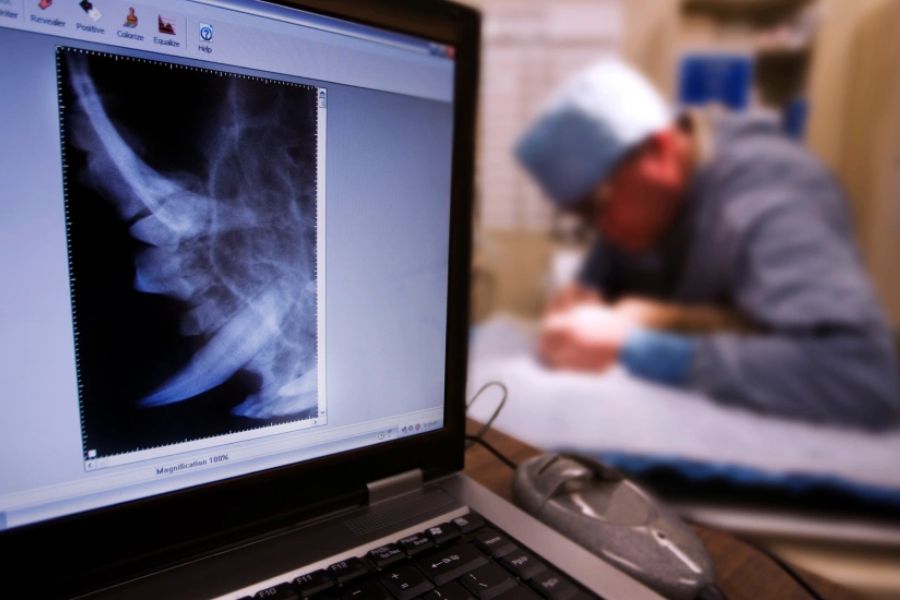
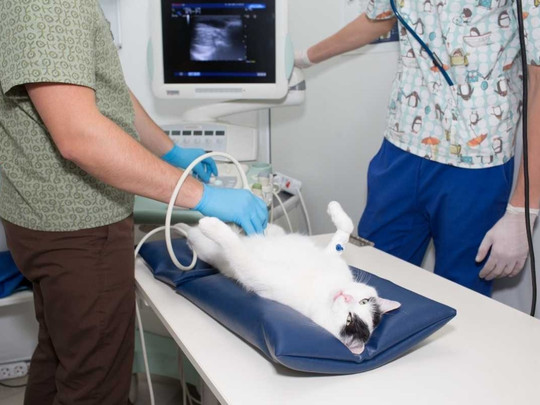
Imaging technology allows veterinarians to view structures inside the body without surgery. Common imaging tools include X-rays and ultrasound.
X-rays are useful for identifying bone fractures, swallowed objects, or lung problems. Ultrasound provides detailed images of internal organs such as the heart, liver, and kidneys.
These imaging methods help veterinarians diagnose conditions that cannot be detected through physical exams alone.
Allergy and Specialized Testing
Some pets suffer from allergies that cause skin irritation, itching, or ear infections. Allergy testing can help determine the specific triggers responsible for these reactions.
In addition, veterinarians may recommend specialized tests to evaluate hormonal disorders, infectious diseases, or genetic conditions.
These advanced diagnostic tools help create targeted treatment plans that improve a pet’s overall health.
How Diagnostic Testing Supports Preventive Care
Preventive care focuses on identifying potential health issues before they develop into serious diseases. Diagnostic testing plays a key role in this proactive approach.
Routine testing establishes baseline health values for your pet. These baseline measurements allow veterinarians to detect changes during future visits.
For example, if blood test results show a gradual change in kidney function, veterinarians can intervene early and begin treatment before symptoms appear.
Regular pet diagnostic care also helps monitor aging pets that may be more vulnerable to chronic conditions.
By catching problems early, veterinarians can provide treatments that extend and improve a pet’s quality of life.
What to Expect During Diagnostic Testing
Many pet owners worry about how diagnostic procedures might affect their animals. However, most tests are quick, safe, and minimally invasive.
For example, blood samples are typically collected from a vein in the leg or neck. Urine and fecal samples are easy to obtain and usually cause little stress.
Imaging procedures may require pets to remain still, and in some cases mild sedation may be used to ensure accurate results.
Veterinary teams prioritize safety and comfort throughout the testing process. They also explain each step so owners understand why the test is necessary.
Clear communication helps pet owners feel confident about their pet’s care.
How Diagnostics Improve Treatment Plans
Accurate diagnosis is essential for effective treatment. Without diagnostic testing, veterinarians might need to rely on symptoms alone.
However, test results provide detailed information about the cause of illness. This data allows veterinarians to select treatments that directly address the problem.
For instance, diagnostic tests may reveal bacterial infections that require antibiotics. Imaging results might identify tumors or internal injuries that require surgery.
Targeted treatment plans improve recovery times and reduce the risk of complications.
Technology and Advances in Veterinary Diagnostics
Veterinary medicine continues to evolve with advances in diagnostic technology. Modern clinics use digital equipment and automated laboratory systems that provide faster and more accurate results.
Digital imaging produces clearer views of internal structures, allowing veterinarians to detect abnormalities earlier. Meanwhile, advanced laboratory equipment can process test samples quickly and efficiently.
These innovations improve diagnostic accuracy and help veterinarians provide higher standards of care.
As technology continues to advance, pets benefit from earlier diagnoses and more precise treatment strategies.
The Role of Pet Owners in Preventive Healthcare
Pet owners play an essential role in maintaining their animals’ health. Observing changes in behavior or physical condition often provides the first clue that something may be wrong.
Scheduling regular veterinary visits and following recommended testing schedules ensures that pets receive the care they need.
Additionally, maintaining proper nutrition, exercise, and hygiene helps prevent many health problems.
By working closely with veterinarians, pet owners can create a strong foundation for lifelong wellness.
Comprehensive diagnostic testing is a powerful tool in modern veterinary medicine. These tests help detect hidden illnesses, monitor chronic conditions, and guide effective treatment plans.
Through routine testing and preventive care, veterinarians can identify health problems early and improve a pet’s quality of life. Diagnostic services also allow veterinary professionals to provide personalized medical care tailored to each animal’s needs.
If you are in Hartsdale, NY and need guidance related to pet diagnostic care, book an appointment with Hartsdale Veterinary Hospital. Our veterinary team is dedicated to helping pets stay healthy through advanced diagnostic services and compassionate veterinary care.
FAQs
Q1. What is comprehensive diagnostic testing for pets?
Ans. Comprehensive diagnostic testing includes medical tests such as blood work, urinalysis, imaging, and parasite screening that help veterinarians evaluate a pet’s overall health and detect diseases early.
Q2. Why are diagnostic tests important for pets?
Ans. Diagnostic tests help identify hidden health problems before symptoms become severe. Early detection allows veterinarians to begin treatment sooner and improve the chances of a successful recovery.
Q3. How often should my pet have diagnostic testing?
Ans. Most pets should have basic diagnostic tests during annual wellness exams. Senior pets or those with medical conditions may require testing more frequently.
Q4. Are veterinary diagnostic tests safe for pets?
Ans. Yes, most diagnostic tests are minimally invasive and performed safely by trained veterinary professionals. These procedures help provide accurate information about your pet’s health.
Q5. What types of diagnostic tests are commonly performed for pets?
Ans. Common tests include blood tests, urine tests, fecal exams, X-rays, ultrasound imaging, and allergy testing depending on the pet’s symptoms and medical history.
Q6. When should I take my pet to the vet for diagnostic testing?
Ans. If your pet shows signs such as loss of appetite, vomiting, unusual behavior, or low energy, it is important to visit a veterinarian for a proper examination and possible diagnostic testing.