When it comes to your pet’s well-being, love, exercise, and a healthy diet are important—but they’re not enough. Even pets that seem perfectly healthy may be hiding signs of illness. That’s where comprehensive diagnostic care becomes critical. It allows veterinarians to detect health issues early, monitor ongoing conditions, and make informed treatment decisions that can save lives.
In this article, we’ll explore why diagnostic care is so essential for your pet’s health, the tools involved, and how it benefits pets of all ages and breeds.
What Is Comprehensive Diagnostic Care?
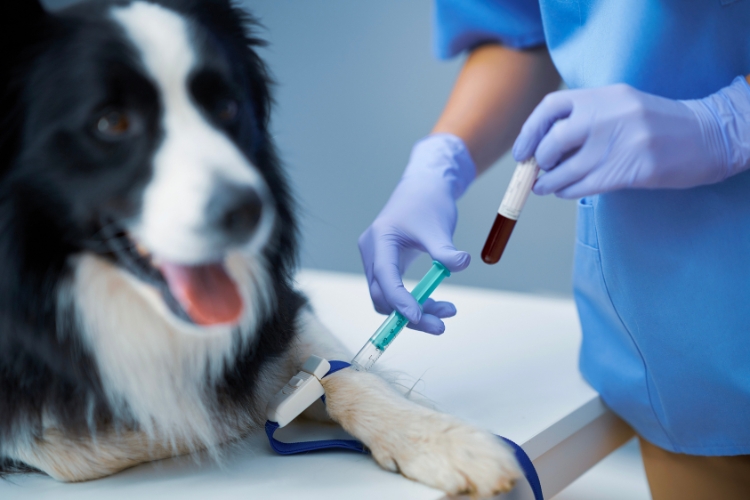
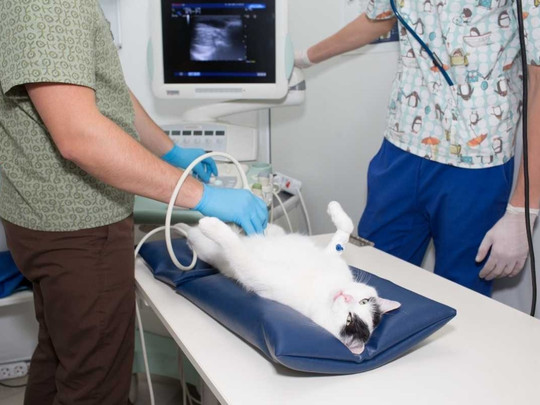
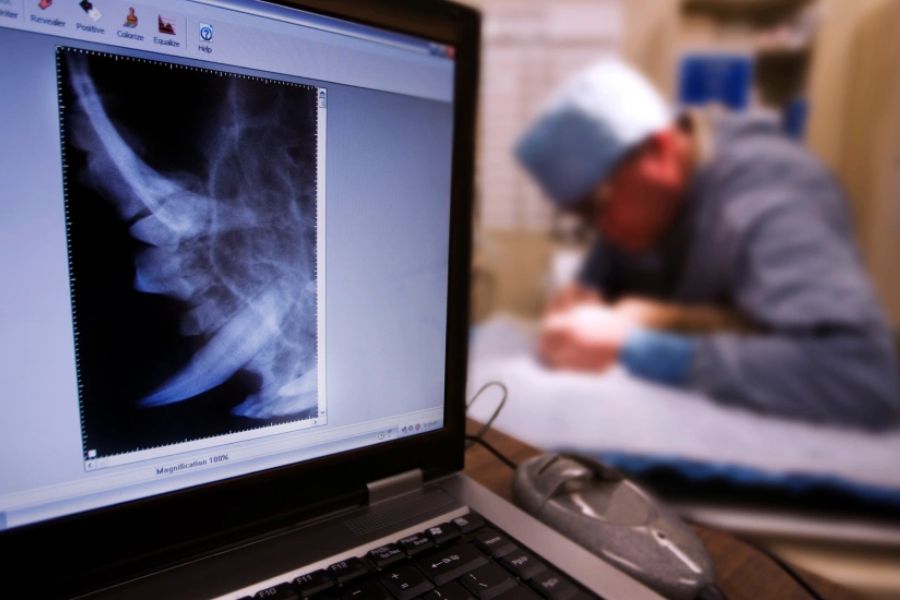
Comprehensive diagnostic care refers to a thorough approach that includes tests, screenings, and evaluations used to assess your pet’s overall health. It may involve:
- Blood tests
- Urinalysis
- Fecal exams
- X-rays and ultrasounds
- ECGs (electrocardiograms)
- Biopsies
- Allergy or hormone testing
These tools help veterinarians look beyond physical symptoms and identify hidden health issues before they become severe or irreversible.
Early Detection Saves Lives
One of the most compelling reasons for diagnostic care is early detection. Many diseases, such as kidney disease, diabetes, cancer, and heart conditions, develop gradually and may not show outward signs until advanced stages.
However, with routine diagnostic screenings, vets can spot subtle changes in organ function or blood composition. Catching a problem early means:
- More treatment options
- Less invasive treatments
- Lower healthcare costs
- Better prognosis
In other words, early detection can mean the difference between life and death for your pet.
Personalized Health Monitoring
Every pet is different. Age, breed, lifestyle, and genetic background all play roles in their health. A comprehensive diagnostic approach allows your veterinarian to tailor care to your pet’s unique needs.
For example:
- Senior pets may require regular screenings for arthritis, kidney function, or thyroid issues.
- Young pets may benefit from fecal exams and blood panels to catch congenital conditions early.
- Breed-specific risks can be monitored closely with the right diagnostics in place.
By creating a personalized health baseline, your vet can monitor changes over time and adjust care plans as needed.
Diagnostics Help with Unexplained Symptoms
Sometimes pets show subtle or confusing symptoms like:
- Lethargy
- Appetite changes
- Vomiting or diarrhea
- Excessive drinking
- Unusual behavior
These symptoms might be mistaken for minor issues, but they could signal serious underlying conditions. Diagnostic testing helps pinpoint the cause quickly so treatment can begin right away.
Rather than relying on guesswork or waiting for symptoms to worsen, diagnostics offer clear answers and peace of mind.
Pre-Anesthetic Testing Improves Safety
Before any surgery—whether routine or emergency—it’s essential to ensure your pet can handle anesthesia. Pre-anesthetic bloodwork checks liver and kidney function, red and white blood cell counts, and more.
This reduces the risk of complications during and after surgery. It also helps veterinarians choose the safest medications and dosages for your pet.
Ongoing Management of Chronic Conditions
For pets with ongoing health issues like diabetes, thyroid disorders, or kidney disease, consistent diagnostic care is key. Regular tests help your vet:
- Track disease progression
- Evaluate how well the treatment is working
- Adjust medications as needed
Without regular monitoring, chronic conditions can spiral out of control—leading to unnecessary suffering for your pet.
Peace of Mind for Pet Owners
Caring for a pet is a big responsibility. Knowing that you’re doing everything possible to keep them healthy gives you peace of mind. Comprehensive diagnostics give you confidence that you’re making informed decisions, not guesses.
Additionally, these tests often uncover silent problems that even the most observant pet owners can miss. By being proactive, you’re giving your pet the best possible chance at a long, happy life.
Comprehensive diagnostic care isn’t just for sick pets—it’s a proactive, preventive strategy that benefits all pets, regardless of age or breed. From early detection to chronic disease management, diagnostics play a vital role in improving the quality and length of your pet’s life.
If you’re looking for pet diagnostic care in Hartsdale, NY, local veterinary clinics offer a full range of services to help keep your furry friend in top shape. Regular screenings, blood tests, and imaging should be part of your pet’s yearly wellness checkup.