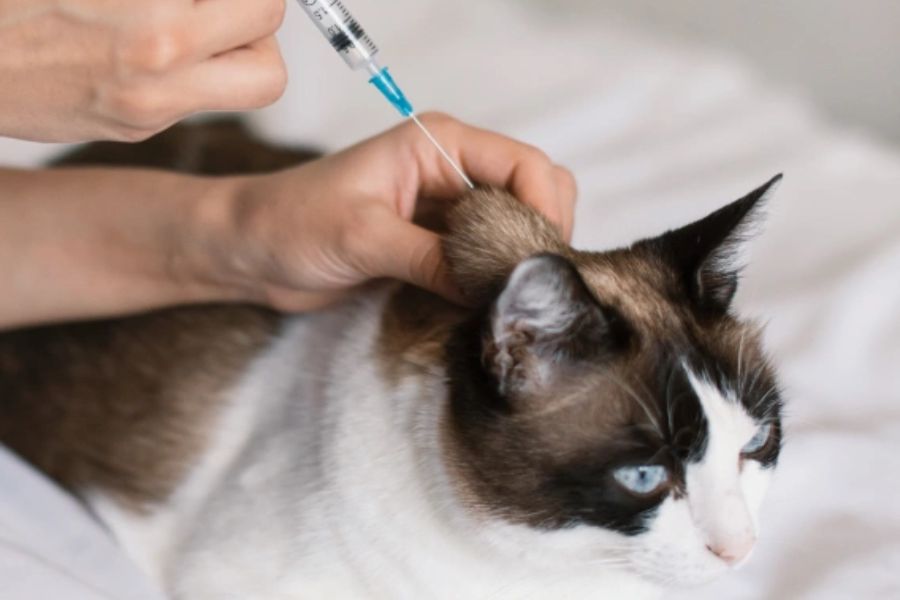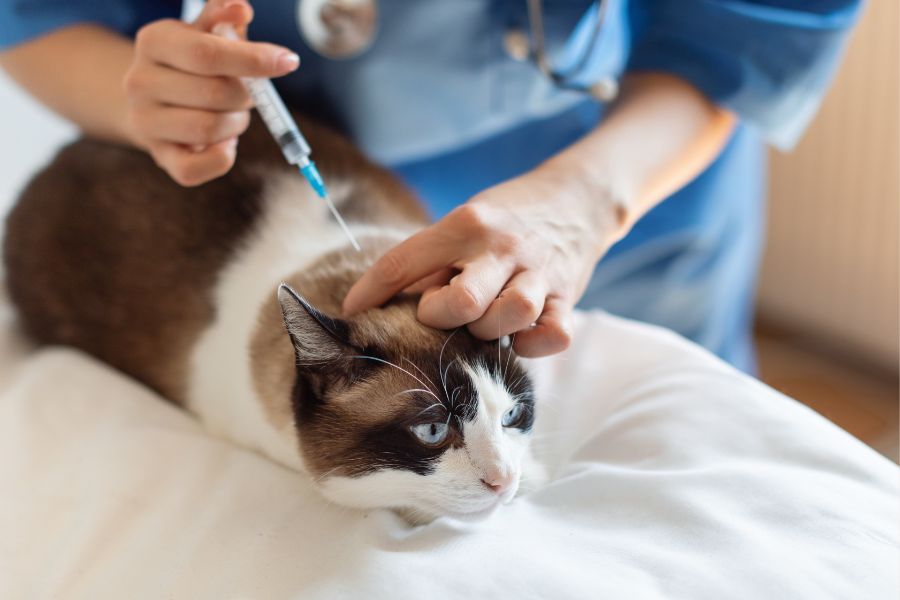
Keeping your furry friend healthy goes beyond love, playtime, and good food. One of the most effective ways to protect pets from harmful diseases is through timely vaccinations. Vaccines prepare your pet’s immune system to fight off infections, reducing the risk of severe illnesses that can otherwise become life-threatening.
In this blog, we’ll break down essential vaccinations for both dogs and cats, explain why they’re necessary, and help simplify the process for pet parents.
The Basics of Pet Vaccinations
Before diving into specific shots, it’s important to understand how vaccinations work. Vaccines expose your pet’s immune system to small, harmless parts of a virus or bacteria. As a result, the immune system builds resistance, so if the real disease appears, your pet can fight it off effectively.
Not all pets need the same vaccines. Some are considered core vaccines, meaning every dog or cat should receive them, while others are non-core vaccines, which are recommended based on lifestyle, age, or exposure risk.
Core Vaccinations for Dogs
Dogs are adventurous by nature, which often exposes them to harmful environments. Core vaccines ensure your dog stays safe during daily walks, playdates, and even trips to the park. The most essential shots include:
- Rabies Vaccine – Protects against rabies, a fatal disease that can also spread to humans.
- Distemper Vaccine – Shields against a highly contagious virus affecting the respiratory, gastrointestinal, and nervous systems.
- Parvovirus Vaccine – Prevents a severe illness that often leads to dehydration, weakness, and death in puppies if untreated.
- Adenovirus Vaccine – Protects against canine hepatitis, a liver disease that spreads through bodily fluids.
Non-Core Vaccinations for Dogs
Depending on where you live and your dog’s lifestyle, veterinarians may recommend additional vaccines, such as:
- Bordetella Vaccine – Helps prevent kennel cough, common in boarding or daycare facilities.
- Leptospirosis Vaccine – Protects against a bacterial infection often contracted through contaminated water.
- Lyme Disease Vaccine – Recommended for dogs living in tick-prone areas.
These vaccines add an extra layer of defense for pets with active, social lives.
Core Vaccinations for Cats
Just like dogs, cats have their own set of essential vaccines to keep them safe:
- Rabies Vaccine – Legally required in many regions and critical for both pet and human safety.
- Feline Panleukopenia Vaccine – Protects against feline distemper, a highly contagious viral disease.
- Feline Herpesvirus and Calicivirus Vaccines – Prevents two major respiratory infections that spread easily among cats.
Non-Core Vaccinations for Cats
Some cats may benefit from extra protection depending on their environment:
- Feline Leukemia Vaccine (FeLV) – Recommended for outdoor cats or those who live in multi-cat households.
- Chlamydophila Vaccine – Helps prevent respiratory infections in high-risk cats.
These non-core shots are particularly important if your cat spends time outdoors or comes into contact with other felines.
Puppy and Kitten Vaccination Schedules
Young pets are especially vulnerable to illness, which is why starting vaccines early is crucial. Puppies typically begin vaccinations around 6–8 weeks of age, with boosters every few weeks until 16 weeks. Kittens usually start around the same age and follow a similar booster schedule. Staying consistent with these timelines ensures that your pet develops strong immunity during their most vulnerable stages.
The Importance of Boosters and Annual Checkups
Many pet parents assume vaccinations are a one-time event, but booster shots are just as important. Over time, immunity can fade, and boosters help maintain protection against diseases. Annual veterinary checkups are the perfect opportunity to update vaccines and discuss whether additional shots are needed based on lifestyle changes.
Making Vaccinations Stress-Free for Pets
Some pets may feel nervous during vet visits, but there are ways to make the process smoother. Bring their favorite treats, keep a calm demeanor, and schedule appointments at quieter times. Regular visits also help your pet get used to the environment, making future vaccinations less stressful.
Local Care You Can Trust
When it comes to pet vaccinations in Hartsdale, NY, you want a reliable and caring team to guide you. At Hartsdale Veterinary Hospital, professionals provide tailored vaccination schedules based on your pet’s age, breed, and lifestyle, ensuring long-term protection and peace of mind.
Vaccinations are one of the most important steps in keeping your dog or cat healthy. From protecting against deadly viruses to preventing contagious diseases, vaccines give your furry friend the best chance at a long, happy life. By following recommended schedules, staying consistent with boosters, and partnering with a trusted veterinarian, you can simplify the vaccination process and safeguard your pet’s well-being for years to come.