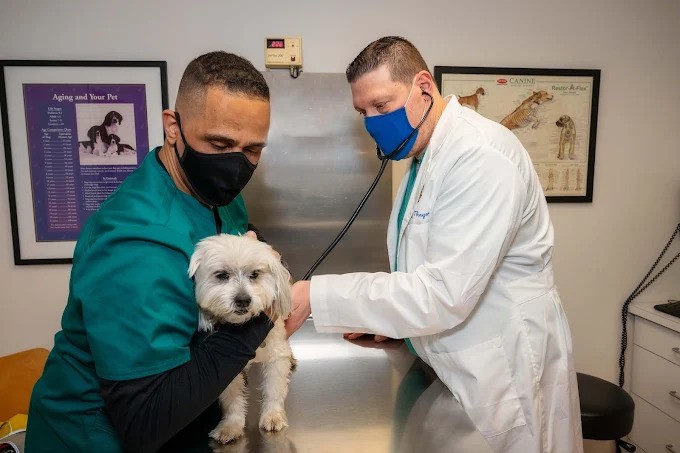
Pets love spending time outdoors, whether it’s exploring the backyard, hiking local trails, or enjoying walks around Hartsdale. However, outdoor adventures can also expose dogs and cats to ticks carrying Lyme disease. Understanding how Lyme disease affects pets is one of the best ways to keep your furry companion healthy and protected year-round.
At Hartsdale Veterinary Hospital, we believe prevention and early detection are key to protecting pets from tick-borne illnesses. Here’s what every pet owner should know about Lyme disease, including symptoms, treatment options, and effective prevention strategies.
What Is Lyme Disease?
Lyme disease is a bacterial infection caused by Borrelia burgdorferi, which is transmitted through the bite of infected black-legged ticks, often called deer ticks. While Lyme disease is more commonly diagnosed in dogs, cats can also be exposed to infected ticks.
Ticks are especially active during warmer months, but they can remain active throughout much of the year depending on weather conditions. Because ticks are small and difficult to spot, pets can be bitten without owners noticing right away.
Once infected, some pets may show symptoms quickly, while others may not display noticeable signs for weeks or even months.
How Pets Get Lyme Disease
Pets usually contract Lyme disease after being bitten by an infected tick that remains attached for an extended period. Ticks are commonly found in:
- Tall grass
- Wooded areas
- Leaf piles
- Parks and hiking trails
- Backyards with dense vegetation
Even indoor pets can occasionally be exposed if ticks are brought into the home on clothing or other animals.
Dogs that spend a lot of time outdoors are typically at the highest risk, especially active breeds that enjoy hiking, camping, or frequent walks in wooded areas around Hartsdale and surrounding communities.
Common Symptoms of Lyme Disease in Pets
Recognizing the symptoms of Lyme disease early can help your pet receive prompt veterinary care. Symptoms may vary depending on the severity of the infection and the pet’s overall health.
Signs of Lyme Disease in Dogs and Cats May Include:
- Limping or shifting leg lameness
- Joint swelling or stiffness
- Fever
- Fatigue or decreased energy
- Loss of appetite
- Sensitivity to touch
- Swollen lymph nodes
- Difficulty walking
- Reluctance to run or jump
In some cases, Lyme disease can lead to more serious complications involving the kidneys, heart, or nervous system if left untreated.
Because these symptoms can resemble other health conditions, it’s important to schedule a veterinary examination if your pet is showing unusual discomfort or changes in behavior.
Why Early Diagnosis Matters
Early diagnosis is essential because untreated Lyme disease can become more difficult to manage over time. Veterinarians use a combination of physical exams, medical history, tick exposure risk, and diagnostic testing to identify Lyme disease.
Your veterinarian may recommend:
- Blood testing
- Tick-borne disease screening
- Joint evaluations
- Additional lab work if complications are suspected
Pets diagnosed early often respond well to treatment and recover more comfortably.
Treatment Options for Lyme Disease
Treatment for Lyme disease typically involves antibiotics prescribed by your veterinarian. Many pets begin showing improvement within a few days of starting medication, although completing the full treatment plan is extremely important.
Lyme Disease Treatment May Include:
- Antibiotic therapy
- Anti-inflammatory medications for joint pain
- Rest and limited activity
- Supportive care for severe cases
- Follow-up testing and monitoring
Pets experiencing kidney-related complications may require more advanced treatment and long-term management.
Never attempt to treat Lyme disease at home without veterinary guidance. Professional care helps ensure your pet receives the safest and most effective treatment possible.
How to Prevent Lyme Disease in Pets
Prevention is the most effective way to protect pets from Lyme disease and other tick-borne illnesses.
1. Use Veterinary-Approved Tick Prevention
Year-round tick prevention is one of the best defenses against Lyme disease. Your veterinarian can recommend safe and effective options based on your pet’s age, lifestyle, and health needs.
Preventive options may include:
- Oral medications
- Topical treatments
- Tick collars
- Combination flea and tick preventatives
Consistent use is essential for maximum protection.
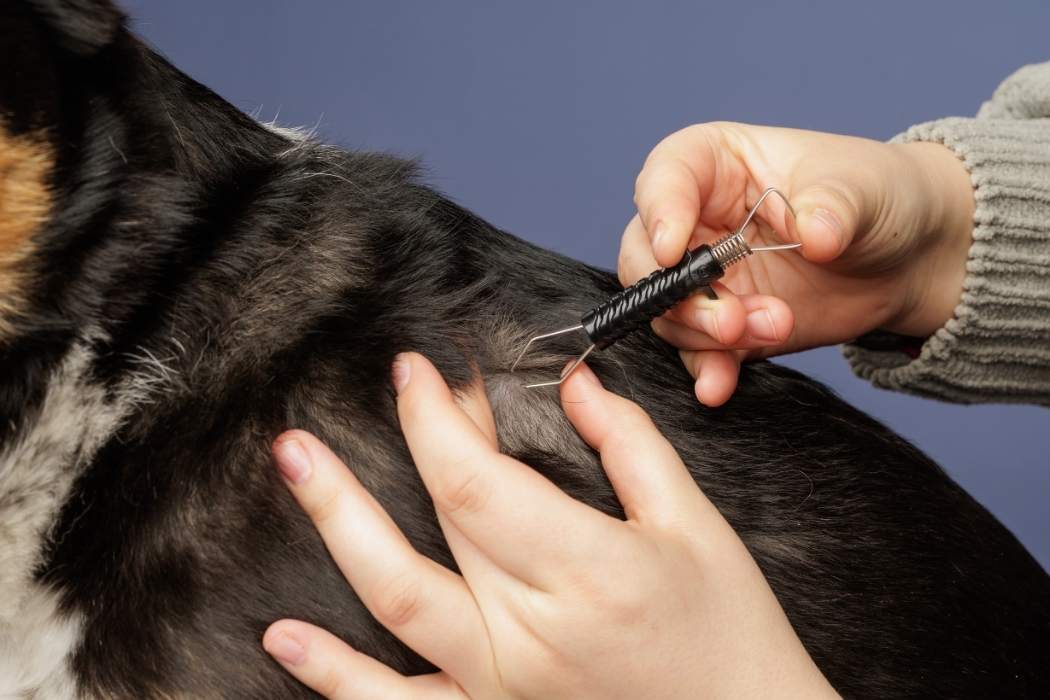
2. Check Your Pet for Ticks Daily
After outdoor activities, inspect your pet carefully for ticks. Pay close attention to:
- Around the ears
- Under collars
- Between toes
- Around the tail
- Under the legs
- Around the face and neck
Removing ticks promptly may reduce the risk of disease transmission.
3. Keep Your Yard Maintained
Reducing tick habitats around your property can help lower exposure risks.
Helpful yard maintenance tips include:
- Keeping grass trimmed short
- Removing leaf litter
- Clearing overgrown vegetation
- Creating barriers between wooded areas and play spaces
- Limiting wildlife access when possible
A cleaner yard environment can significantly reduce tick populations.
4. Avoid High-Risk Areas When Possible
When hiking or walking your dog, try to stay on cleared paths and avoid tall grasses or dense wooded areas where ticks are commonly found.
If your pet frequently visits parks or trails, routine tick checks become even more important.
5. Ask About Lyme Vaccination for Dogs
Some dogs may benefit from the Lyme disease vaccine, especially those with frequent outdoor exposure or high tick risk.
Your veterinarian can determine whether vaccination is appropriate for your pet’s lifestyle and risk level.
Can Humans Catch Lyme Disease from Pets?
Pets cannot directly spread Lyme disease to humans. However, infected ticks can be carried into the home on a pet’s fur and potentially attach to people later.
Using regular tick prevention for your pets also helps protect your entire household from tick exposure.
When Should You Contact a Veterinarian?
Contact your veterinarian if your pet:
- Develops unexplained limping
- Appears stiff or painful
- Shows signs of fatigue
- Has a recent history of tick exposure
- Experiences fever or appetite loss
- Behaves differently after outdoor activities
Prompt care can help prevent complications and improve recovery outcomes.
If you suspect your pet may have Lyme disease or needs tick prevention guidance, the team at Hartsdale Veterinary Hospital is here to help. Our experienced veterinary team provides comprehensive wellness care, parasite prevention, diagnostic testing, and personalized treatment plans to keep pets healthy throughout every season.
Protect Your Pet with Preventive Veterinary Care
Lyme disease is a serious but preventable condition that affects many pets each year. With proper tick prevention, regular veterinary checkups, and early symptom recognition, pet owners can significantly reduce the risk of infection.
At Hartsdale Veterinary Hospital in Hartsdale, we are committed to helping pets stay safe, healthy, and active year-round. Whether your pet needs routine parasite prevention, diagnostic testing, or treatment for Lyme disease symptoms, our compassionate team is ready to help.
Book an appointment today to discuss Lyme disease prevention and protect your pet from tick-borne illnesses before they become a serious health concern.
Frequently Asked Questions
1. Can indoor pets get Lyme disease?
Ans: While outdoor pets face the highest risk, indoor pets can still be exposed to ticks brought into the home on people, clothing, or other animals.
2. How long does it take for Lyme disease symptoms to appear in dogs?
Ans: Symptoms may appear weeks or even months after a tick bite, making regular monitoring and preventive care very important.
3. Are ticks active year-round?
Ans: Ticks are most active during warmer months, but they can remain active during mild winters as well.
4. Can Lyme disease be cured in pets?
Ans: Many pets recover well with early diagnosis and proper antibiotic treatment, although some may experience lingering joint discomfort.
5. Should my dog get the Lyme vaccine?
Ans: Some dogs benefit from vaccination depending on their lifestyle and exposure risk. Your veterinarian can help determine if it’s recommended for your pet.
6. What should I do if I find a tick on my pet?
Ans: Remove the tick carefully using tweezers or a tick removal tool and contact your veterinarian for guidance, especially if your pet develops symptoms afterward.