Taking your cat or dog for routine wellness exams serves as one of the most important gifts you can give. First, regular exams help you catch health problems early — often before you notice symptoms. Next, they build a baseline for what “normal” looks like for your pet. Moreover, wellness visits strengthen the bond between your pet and its healthcare team. Ultimately, consistent care supports a long, vibrant life for your furry friend.
In this post, you will learn why these exams matter, what typically happens during a visit, and how to make the most of your pet’s checkups.
Early Detection of Health Issues
Pets often hide pain or discomfort — Dogs might still wag their tail even if they feel ill, and cats can mask illness until it becomes serious. However, a diligent veterinarian can spot subtle signs you might miss.
During wellness exams, vets check:
- Weight and body condition — Sudden weight fluctuation can signal thyroid problems or diabetes.
- Skin and coat health — Dry skin or patchiness may reflect allergies or poor nutrition.
- Eyes, ears, nose, and mouth — Early signs of infection, dental issues, or eye disease often show up here.
- Palpation of the abdomen — Detects abnormalities in organs or signs of enlargement.
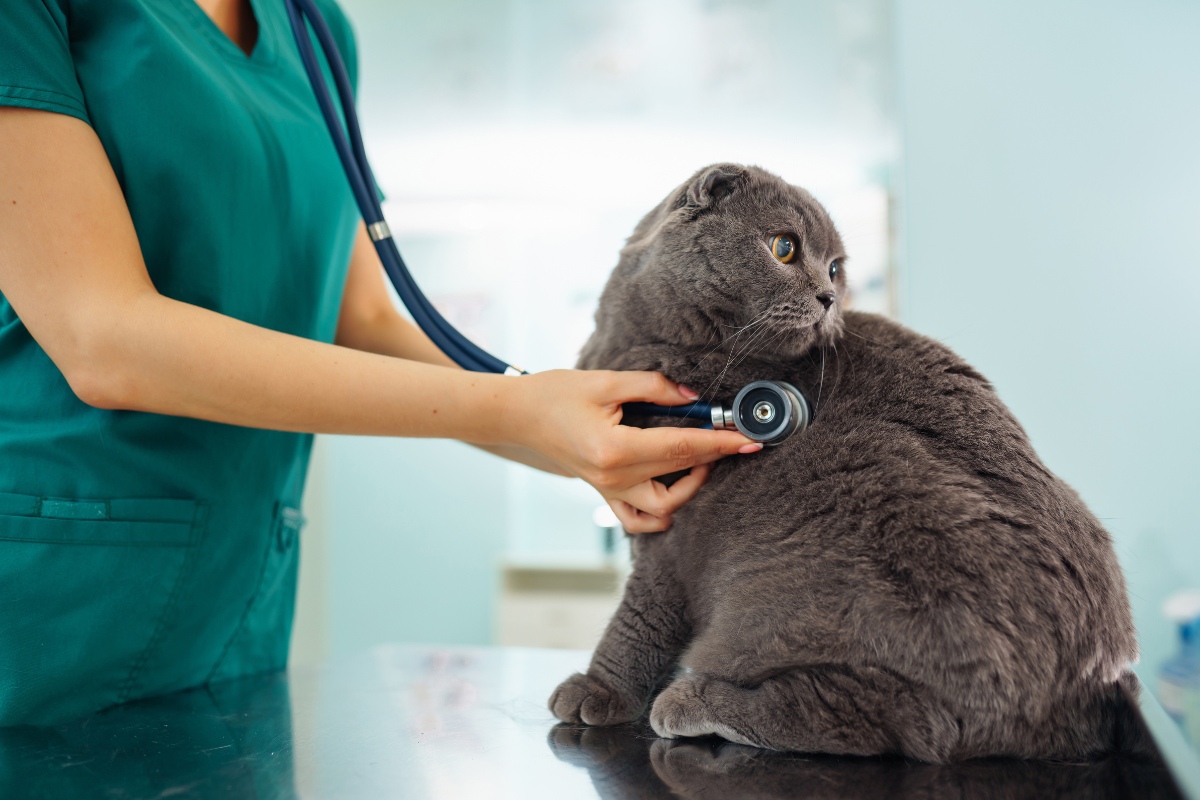
- Vital signs — Heart rate, lungs, and temperature help catch early illness.
By identifying these issues early, you reduce the risk of costly or complicated treatments later. In short, routine exams give doctors a chance to intervene while treatment remains simple.
Building a Preventive Care Plan
In addition to spotting emerging issues, wellness exams allow you and your vet to create a tailored preventive care plan. For example:
- Vaccination schedules — Ensure your pet remains protected from common diseases.
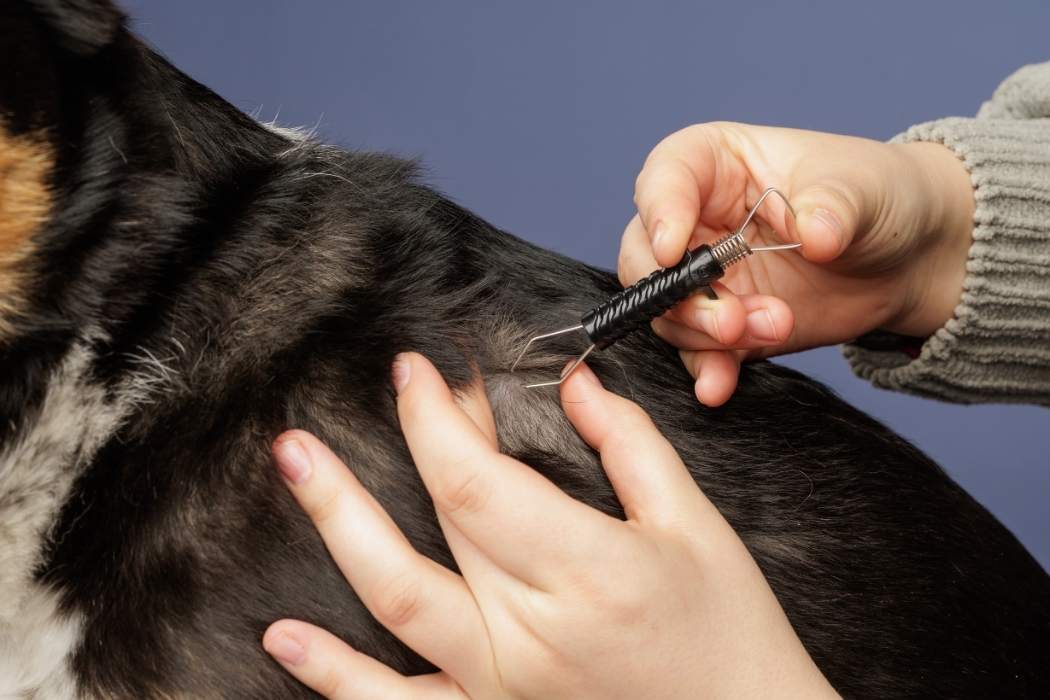
- Parasite control — Fleas, ticks, heartworms, and intestinal parasites pose serious risks. Your vet can recommend safe, effective preventives.
- Dental care guidance — Dental disease affects many pets. Regular checks help you plan cleanings or home care.
- Nutrition and weight recommendations — Your vet can guide changes to diet or portion sizes as your pet ages.
- Behavior and lifestyle advice — Aging pets, active pets, indoor cats, or outdoor dogs all have different needs.
Regular exams give your vet the chance to adjust these plans as your pet ages or its lifestyle changes. Therefore, wellness care remains dynamic and responsive.
Establishing Health Baselines
When your pet is young and healthy, wellness exams establish what is “normal.” As months or years pass, vets compare new results to baseline data.
For example, your dog’s heart rate may remain stable over time, or your cat’s weight might change gradually. By comparing past and present data, your vet can spot subtle deviations. This makes it easier to diagnose chronic issues such as kidney disease, thyroid imbalance, or arthritis early — even if your pet still seems fine at home.
Promoting Dental and Parasite Health
Many pet owners overlook dental care and parasite prevention. However, oral disease and parasites can quietly harm pets for years.
During wellness exams, vets often review dental health. Early gum disease may appear before your pet shows obvious discomfort. A clean look and healthy gums help prevent pain, tooth loss, and systemic infections.
Similarly, fleas, ticks, and worms can take hold without immediate symptoms. Regular wellness visits include parasite screening and prevention. By staying proactive, you protect your pet from discomfort — and safeguard your home environment too.
Strengthening the Vet–Pet Relationship
Frequent checkups create a stronger, trusting relationship between your pet and its veterinary team. Regular visits help reduce stress and anxiety at the clinic: when the team and your pet know each other, visits feel safer and more routine.
Moreover, when your vet already knows your pet’s baseline health and behavior, they can give more personalized care. That familiarity helps during emergencies or when deciding on treatments. With regular wellness care, your vet can track long-term changes and offer timely advice — before problems escalate.
What to Expect During a Typical Wellness Exam
A standard wellness exam often includes:
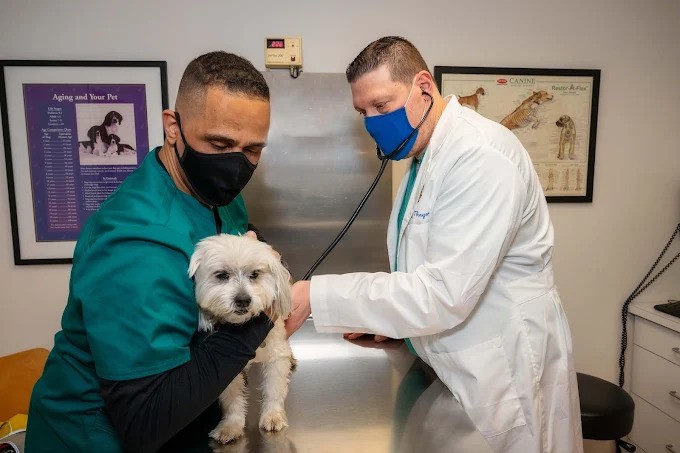
- A physical examination — checking eyes, ears, mouth, joints, skin, weight, heart, lungs, abdomen, and limbs.
- Vital signs and baseline measurements — temperature, pulse, respiration rate.
- Vaccinations or boosters, if due.
- Preventive screenings — blood tests, parasite checks, fecal exams, especially in senior or high-risk pets.
- Behavioral and lifestyle review — diet, exercise, environment, and behavioral concerns.
- Discussion and planning — your vet may suggest follow-up visits, dental cleanings, nutrition changes, or preventive treatments.
Following the vet’s recommendations helps your pet stay healthier long term.
How Often Should Pets Visit the Vet?
- Puppies and kittens: Every 3–4 weeks during the first few months until vaccinations complete.
- Adult pets (1–6 years): At least once a year for healthy pets.
- Senior pets (7+ years for dogs; 10+ for cats): Twice a year helps catch age-related issues early.
If your pet has chronic conditions — such as diabetes, arthritis, or heart disease — your vet may recommend more frequent checkups.
Signals That You Should Book a Checkup Sooner
Don’t wait for the next scheduled visit if you notice:
- Sudden change in appetite or water intake
- Unexplained weight gain or loss
- Changes in energy level, activity, or mood
- Coughing, sneezing, vomiting, diarrhea, or unusual stools
- Limping, stiffness, or difficulty getting up
- Excessive scratching, hair loss, or skin changes
Even without obvious symptoms, a brief exam can catch hidden problems early.
The Long-Term Value of Routine Wellness Exams
Regular wellness care for cats and dogs delivers many benefits:
- Early disease detection before symptoms worsen
- More successful and less invasive treatments
- Lower overall cost of care compared with treating advanced illness
- Better quality of life, especially in senior pets
- Peace of mind for pet owners
- Strengthened the relationship between the pet, the owner, and the vet
Ultimately, routine exams give pets the best chance for a long, healthy life. By acting early and staying consistent, you show love and responsibility.
Routine wellness exams provide a foundation for lifelong health in cats and dogs. They catch hidden illnesses, support preventive care, and help establish a trusted relationship between pet and caregiver. Over time, consistent exams reduce health risks and help your companion live happily.
If you are located in Hartsdale, NY and searching for a trusted veterinarian in Hartsdale, NY, visit Hartsdale Veterinary Hospital. Our experienced team provides comprehensive care, preventive services, and wellness plans to keep your furry friend healthy and happy for years to come.
Frequently Asked Questions (FAQs)
Q1. How often should my healthy adult cat or dog visit the vet for wellness exams?
Ans. Most adult cats and dogs benefit from a wellness exam once per year. However, senior pets or those with health issues may need visits every six months.
Q2. My pet seems healthy — do we really need wellness exams?
Ans. Yes. Pets often hide illness well. Exams help catch early signs before visible symptoms appear, making treatment easier and less stressful.
Q3. What happens during a routine wellness exam?
Ans. The vet performs a full physical exam, checks vital signs, and examines skin, eyes, ears, mouth, teeth, joints, and abdomen. Depending on age, the vet may also recommend blood work, parasite screening, and updated vaccinations.
Q4. Are wellness exams expensive?
Ans. Costs vary by region and clinic, but wellness exams typically cost far less than treating advanced diseases. Preventive care often saves time, stress, and money in the long run.
Q5. How can I prepare my pet for the vet visit?
Ans. Bring any medical records, note any behavior or dietary changes, and bring a stool sample if possible. Positive reinforcement — treats or favorite toys — helps reduce stress.
Q6. Can wellness exams improve my pet’s lifespan?
Ans. Absolutely. Early detection and preventive care reduce disease risks. With regular checkups, many pets enjoy longer, healthier lives — and more quality time with you.