Pets are more than just companions; they are family members who depend on us for care, love, and attention. Just like humans, pets need regular medical checkups to stay healthy and live long, happy lives. One of the most effective ways to protect your furry friend’s health is through annual pet wellness exams. These preventive visits allow veterinarians to detect health issues early, provide guidance on nutrition and behavior, and ensure your pet receives the best care possible.
In this article, we’ll discuss the importance of annual wellness exams, what they include, and how they benefit your pet’s overall health.
Understanding Pet Wellness Exams
A pet wellness exam is a routine checkup performed by a veterinarian to evaluate your pet’s health. Unlike emergency visits or sick appointments, wellness exams are proactive and preventive. They are designed to detect problems before they become serious and to keep your pet on track with vaccinations, parasite prevention, and overall care.
During these exams, veterinarians review your pet’s medical history, conduct a physical examination, and may recommend diagnostic tests such as bloodwork, urinalysis, or imaging if needed.
Why Are Annual Exams So Important?
Early Detection of Diseases
One of the biggest benefits of annual exams is early detection. Many illnesses, such as diabetes, kidney disease, or heart conditions, develop slowly and may not show obvious symptoms until they are advanced. With regular exams, your veterinarian can identify warning signs early, leading to more effective treatment and better outcomes.
Preventive Care Saves Lives
Preventive care is always better than reactive care. Annual exams provide opportunities for timely vaccinations, parasite control, and dental evaluations. By staying ahead of potential health issues, you save your pet from unnecessary suffering and reduce long-term veterinary costs.
Monitoring Your Pet’s Weight and Nutrition
Obesity is a growing concern among pets and can lead to joint problems, diabetes, and heart disease. During a wellness exam, veterinarians monitor your pet’s weight, recommend dietary changes if needed, and ensure they are receiving proper nutrition for their age, breed, and activity level.
Behavioral Assessments
Annual checkups also provide a chance to discuss your pet’s behavior. Issues such as anxiety, aggression, or changes in activity levels can sometimes indicate underlying health conditions. A veterinarian can offer strategies and treatments to improve both your pet’s mental and physical well-being.
What Happens During a Pet Wellness Exam?
A typical wellness exam involves several important steps, including:
- Review of Medical History – The veterinarian discusses your pet’s health, lifestyle, diet, and any recent changes in behavior.
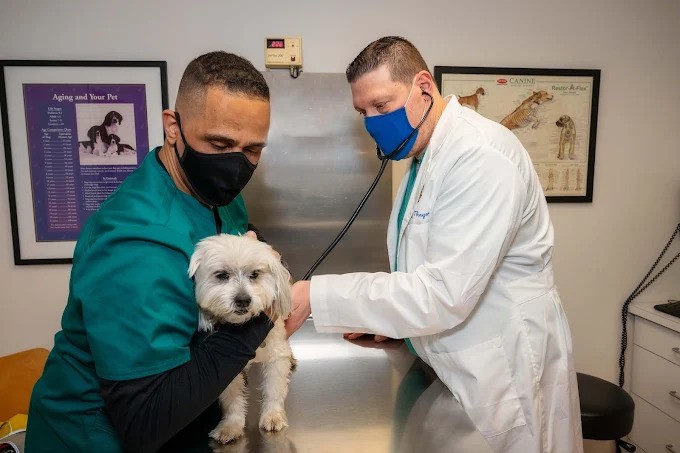
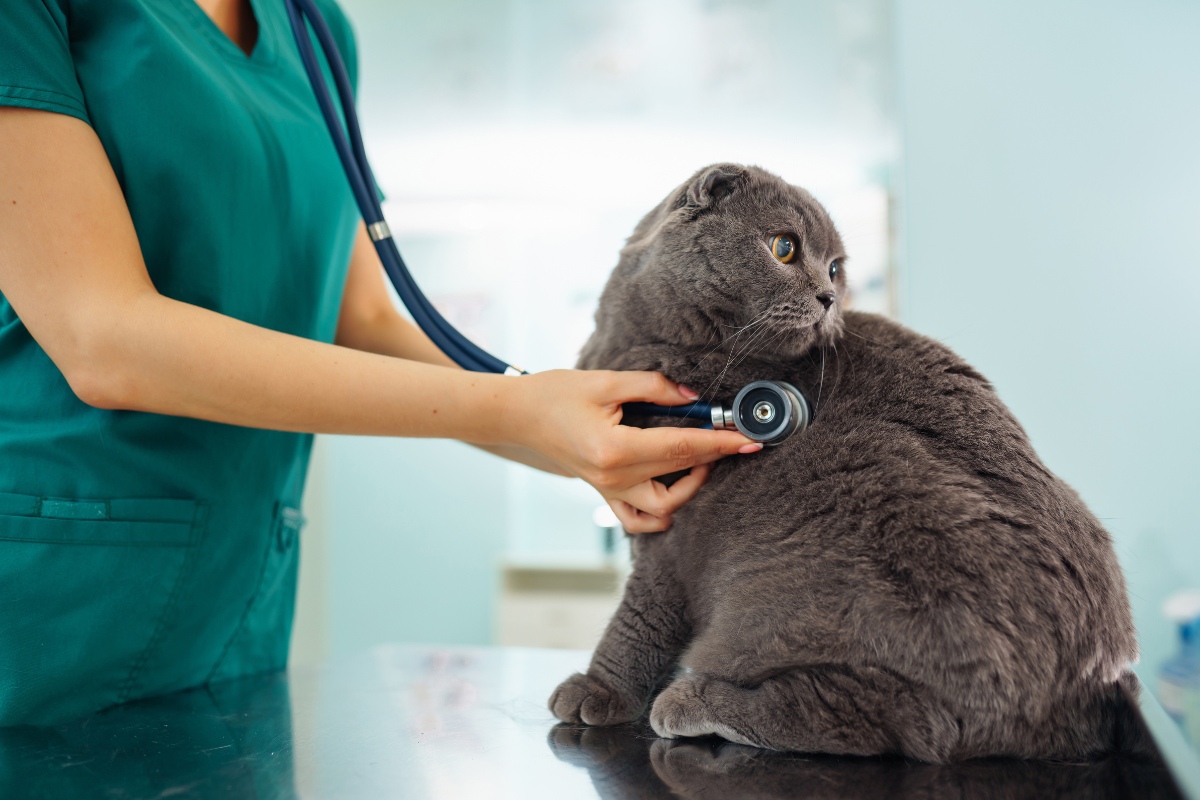
- Physical Examination – A nose-to-tail assessment, including checking the heart, lungs, eyes, ears, skin, and teeth.
- Vaccinations – Ensuring your pet is up to date on core and non-core vaccines.
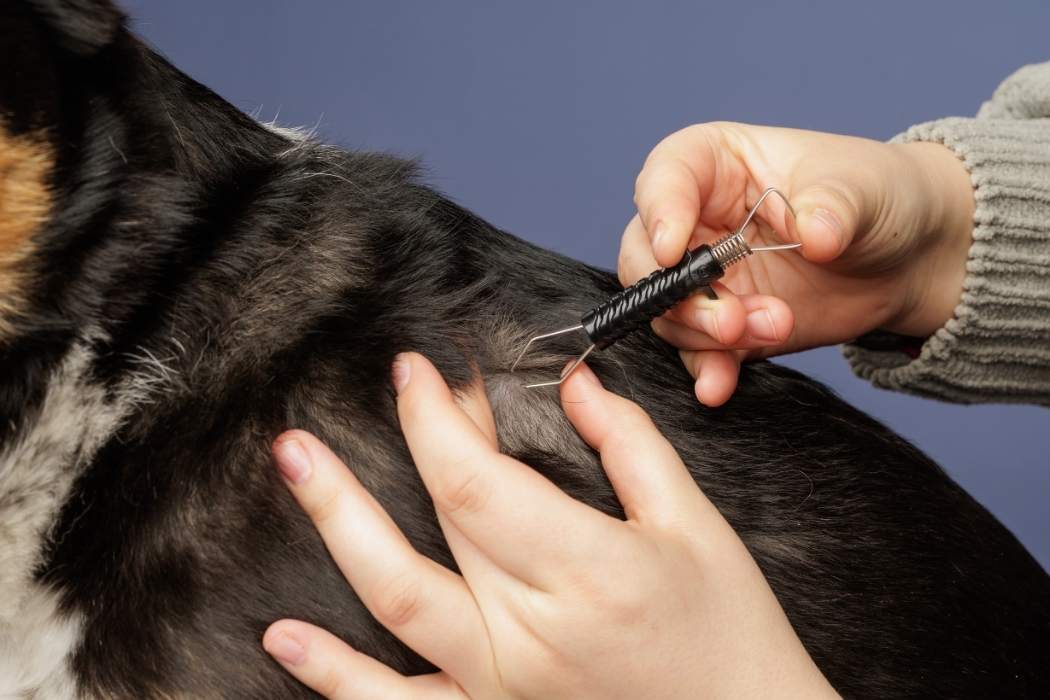
- Parasite Prevention – Recommendations for flea, tick, and heartworm prevention.
- Diagnostic Testing – Bloodwork, urinalysis, or imaging may be suggested to detect hidden issues.
- Nutritional and Lifestyle Guidance – Advice on diet, exercise, and enrichment activities.
Benefits of Annual Wellness Exams
- Improved Quality of Life – Pets that receive consistent preventive care live longer, healthier lives.
- Cost Savings – Catching issues early reduces the need for expensive emergency treatments.
- Peace of Mind – Regular checkups reassure you that your pet is thriving.
- Customized Care – Vets can tailor care recommendations to your pet’s age, breed, and unique needs.
How Often Should Pets Have Wellness Exams?
For most pets, an annual exam is recommended. However, senior pets, puppies, kittens, and those with chronic conditions may need checkups more frequently, such as every six months. Your veterinarian will provide a schedule that best suits your pet’s needs.
Annual pet wellness exams are essential for maintaining your pet’s overall health, preventing serious diseases, and ensuring they live a long and joyful life. By committing to these regular checkups, you’re investing in your furry friend’s future.
For trusted pet wellness exams in Hartsdale, NY, visit your local veterinary professionals who prioritize compassionate and comprehensive care. A proactive approach today can add years of happiness to your pet’s life tomorrow.
FAQs About Pet Wellness Exams
Q1: What is included in a pet wellness exam?
Ans. A pet wellness exam typically includes a physical examination, vaccination updates, parasite prevention, and recommendations for diet, behavior, or diagnostic testing.
Q2: Why are annual wellness exams important?
Ans. They help detect health issues early, provide preventive care, and ensure your pet stays on track with vaccinations and parasite protection.
Q3: Do senior pets need more frequent wellness exams?
Ans. Yes, senior pets often require checkups every six months to monitor age-related conditions such as arthritis, heart disease, or kidney problems.
Q4: How can wellness exams save money?
Ans. By catching problems early, wellness exams reduce the need for costly emergency treatments or advanced interventions.
Q5: Are diagnostic tests always necessary during a wellness exam?
Ans. Not always, but veterinarians may recommend them if they suspect an underlying issue that isn’t visible during the physical exam.
Q6: Can I discuss behavior issues during a wellness exam?
Ans. Absolutely. Behavior changes often relate to health, and your veterinarian can help address concerns during the visit.