Your pet’s smile is more than just adorable—it’s a window into their overall health. Just like humans, pets need regular dental care to stay healthy and happy. However, many pet owners overlook dental hygiene, not realizing how crucial it is for their furry friend’s well-being. Poor oral health can lead to pain, infection, and even serious diseases that affect the heart, liver, and kidneys.
In this article, we’ll explore why dental care is essential, how it benefits your pet’s overall health, and what you can do to maintain their oral hygiene effectively.
1. Why Dental Health Matters for Pets
Dental care isn’t just about fresh breath or a bright smile—it’s about preventing disease and discomfort. When plaque and tartar accumulate on your pet’s teeth, harmful bacteria can multiply, leading to periodontal disease.
This common condition can cause:
- Painful gums and tooth loss
- Difficulty eating
- Bad breath
- Bacteria entering the bloodstream, affecting vital organs
By maintaining your pet’s dental hygiene, you prevent these issues before they start, ensuring your pet stays active, energetic, and pain-free.
2. The Link Between Dental Health and Overall Wellness
Many pet owners are surprised to learn how much dental health impacts the entire body. Oral bacteria don’t stay confined to the mouth; they can travel through the bloodstream and damage other organs.
For instance:
- Heart disease: Bacteria can inflame the heart’s lining (endocarditis).
- Kidney and liver problems: Oral infections can spread toxins that burden these organs.
- Weakened immune system: Chronic inflammation affects your pet’s natural defenses.
Therefore, dental care isn’t optional—it’s a vital part of your pet’s overall healthcare plan.
3. Signs Your Pet May Have Dental Problems
Pets often hide pain, making it hard to detect dental issues early. However, by observing certain warning signs, you can catch problems before they worsen.
Look for these common symptoms:
- Persistent bad breath
- Drooling or bleeding gums
- Pawing at the mouth
- Difficulty chewing or eating
- Yellow or brown tartar buildup
- Swelling around the face or mouth
If you notice any of these symptoms, schedule a dental checkup with your veterinarian right away. Early detection can save your pet from unnecessary pain and costly treatments later.
4. How to Maintain Your Pet’s Dental Hygiene at Home
Regular at-home dental care plays a key role in your pet’s oral health. While professional cleanings are important, daily care at home helps prevent plaque buildup between visits.
Here are some practical tips:
- Brush their teeth daily: Use pet-safe toothpaste and a soft-bristled brush. Start slowly to help your pet adjust.
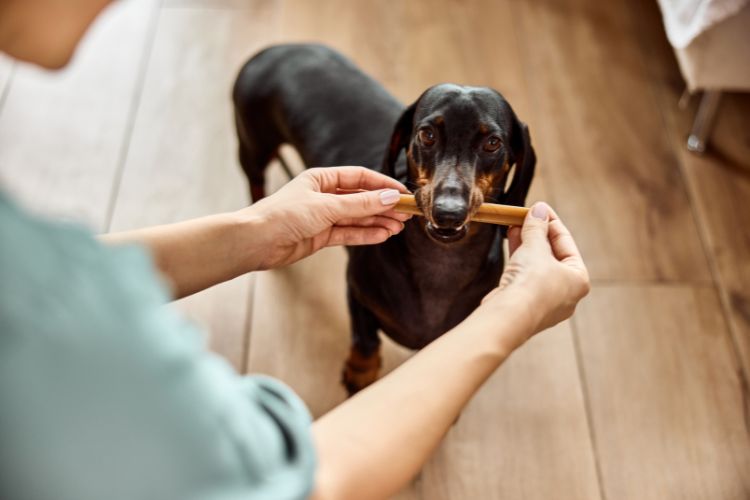
- Offer dental treats and chews: These can help reduce tartar and strengthen gums.
- Use dental rinses or water additives: Ask your vet for safe, effective options.
- Provide chew toys: Chewing helps remove plaque naturally.
Consistency is key. Just a few minutes a day can make a huge difference in your pet’s oral health and happiness.
5. The Role of Professional Dental Cleanings
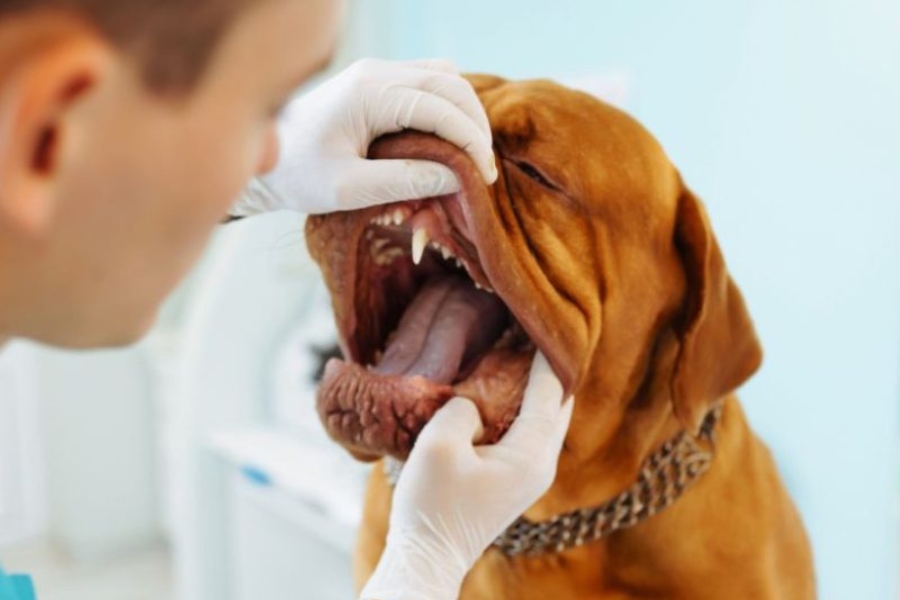
Even with good home care, professional dental cleanings are essential. Your veterinarian uses special tools to clean below the gum line and remove hardened tartar that brushing can’t reach.
During a professional cleaning, your vet will:
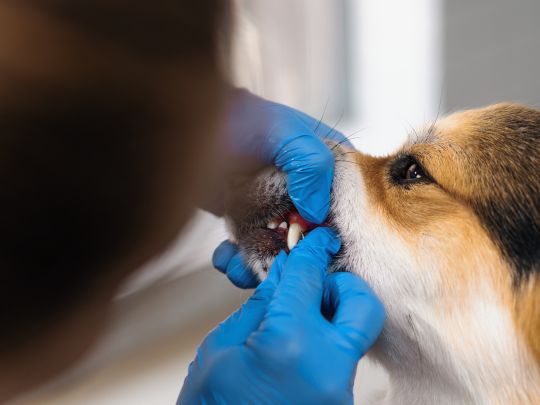
- Examine teeth and gums for signs of disease
- Take dental X-rays if necessary
- Remove plaque and tartar buildup
- Polish teeth for a smooth, clean surface
Regular professional cleanings, typically once a year, keep your pet’s mouth healthy and prevent serious oral issues.
6. The Benefits of Routine Dental Care
Good dental care offers numerous benefits beyond a bright smile:
- Prevents pain and tooth loss
- Improves appetite and digestion
- Eliminates bad breath
- Boosts energy and overall comfort
- Enhances lifespan and quality of life
When your pet’s mouth is clean and pain-free, they can eat, play, and live joyfully—just as they deserve.
7. Making Dental Care a Part of Your Routine
Incorporate dental care into your pet’s daily routine just like feeding or exercise. Keep brushing sessions short and positive, using rewards and praise. Over time, it becomes a natural and stress-free part of your bond with your pet.
If you have multiple pets, introduce dental routines individually to ensure each pet gets the care they need. Regular monitoring will help you catch small problems early.
Maintaining your pet’s dental health is one of the most important ways to ensure a long, happy, and healthy life. Regular brushing, dental-friendly treats, and professional checkups work together to prevent diseases and keep your pet comfortable.
For expert pet dental care in Hartsdale, NY, trust the compassionate team at Hartsdale Veterinary Hospital. Our experienced veterinarians provide comprehensive dental exams, cleanings, and care tips to keep your pet’s smile bright and healthy for years to come.
FAQs
Q1. How often should I brush my pet’s teeth?
Ans. Ideally, brush your pet’s teeth daily. However, even a few times a week can significantly reduce plaque buildup.
Q2. When should my pet start dental care?
Ans. Begin dental care when they’re young to help them get comfortable with the process. However, it’s never too late to start.
Q3. What are the signs of dental disease in pets?
Ans. Common signs include bad breath, swollen gums, yellow tartar, drooling, and difficulty eating.
Q4. Are dental treats enough to clean my pet’s teeth?
Ans. Dental treats help, but they’re not a substitute for brushing or professional cleanings.
Q5. How often should my pet get a professional cleaning?
Ans. Most pets benefit from annual dental cleanings, but your vet may recommend more frequent visits if needed.
Q6. Is anesthesia safe for dental cleanings?
Ans. Yes, modern anesthesia is very safe. Your vet will evaluate your pet’s health before the procedure to ensure safety.