Many pet owners dismiss bad breath in dogs as normal. However, persistent foul odor is often a warning sign of underlying dental or health problems. Ignoring this issue can lead to painful oral conditions and even affect vital organs. Understanding the causes of bad breath and knowing how to manage it effectively can protect your dog’s overall well-being.
Dental hygiene plays a crucial role in keeping your dog comfortable, healthy, and happy. With the right approach, you can reduce odor, prevent disease, and improve your pet’s quality of life. This guide explains why bad breath happens, how dental issues contribute to it, and what steps you can take to maintain long-term oral health for your dog—especially if you live in Hartsdale, NY.
Understanding the Importance of Canine Oral Health
Bad breath in dogs usually develops when bacteria accumulate inside the mouth. Over time, plaque hardens into tartar, allowing harmful bacteria to thrive. As a result, gums become inflamed, teeth weaken, and infections develop.
Although many owners focus on diet and exercise, oral hygiene often receives less attention. Unfortunately, neglecting this area can cause chronic pain and systemic illness. Bacteria from the mouth can enter the bloodstream and affect the heart, liver, and kidneys. Therefore, maintaining proper dog dental care is not just about fresh breath—it protects your pet’s overall health.
Common Dental Causes of Bad Breath in Dogs
Periodontal Disease
Periodontal disease is the leading cause of chronic bad breath in dogs. It develops when plaque and tartar buildup trigger gum inflammation and infection. Without treatment, the condition progresses deeper, damaging tissue and bone while causing persistent odor.
Tooth Decay
Although cavities are less common in dogs than in humans, tooth decay still occurs. Food debris trapped on teeth encourages bacterial growth, which damages enamel and leads to foul-smelling breath and discomfort.
Gingivitis
Gingivitis develops when plaque irritates the gums. Early signs include redness, swelling, and bleeding. If untreated, it can worsen into advanced gum disease, intensifying bad breath and increasing the risk of tooth loss.
Oral Tumors or Growths
Unusual growths inside the mouth may also cause strong odor. These growths interfere with normal chewing and may become infected. Persistent bad breath paired with visible masses requires immediate veterinary evaluation.
Foreign Objects in the Mouth
Dogs love to chew, but sticks, toys, or bones can become lodged between teeth or under the gums. These objects trap bacteria and cause infections that produce unpleasant smells.
Underlying Medical Conditions
Sometimes, bad breath points to issues beyond the mouth. Kidney disease, for example, causes a distinctive ammonia-like odor due to toxin buildup. This type of breath requires prompt medical attention.
How to Manage and Prevent Bad Breath in Dogs
Brush Your Dog’s Teeth Consistently
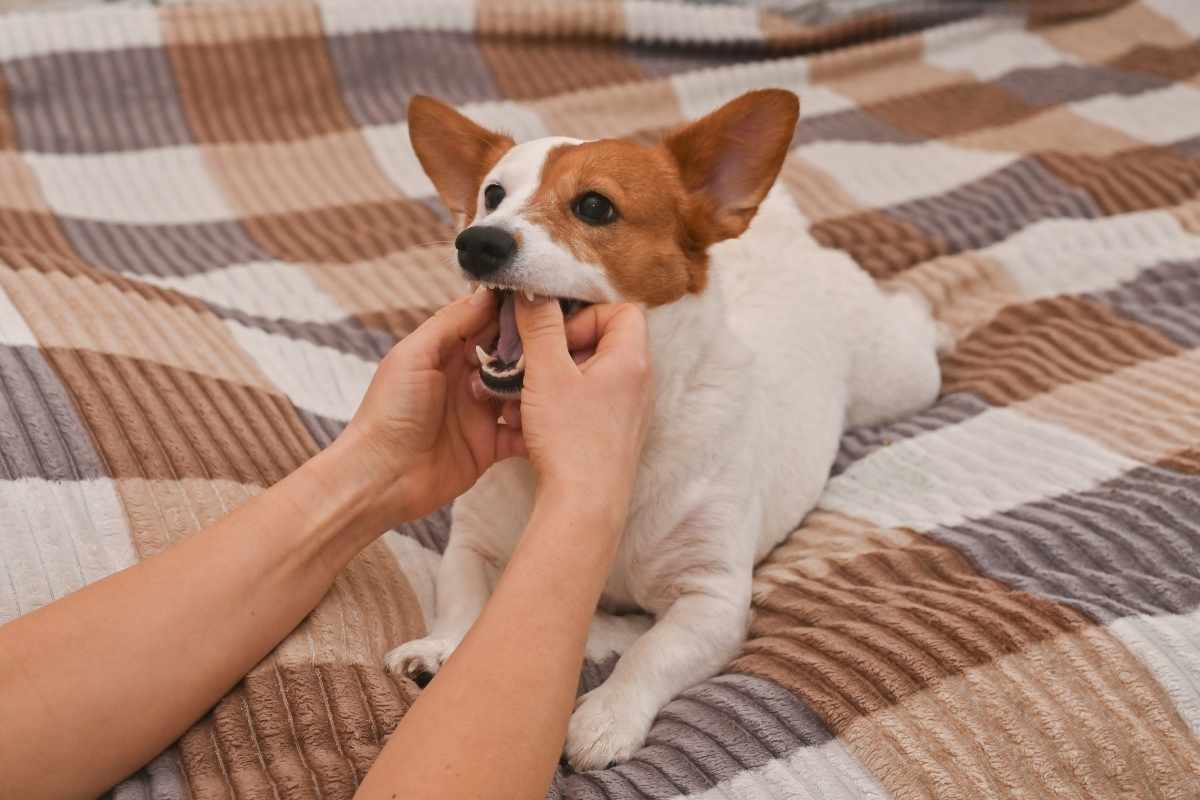
Regular brushing remains one of the most effective ways to reduce plaque and bacteria. Use only pet-safe toothpaste and a soft-bristled brush. Start slowly, reward cooperation, and make brushing part of your routine.
Use Dental Chews and Oral Toys
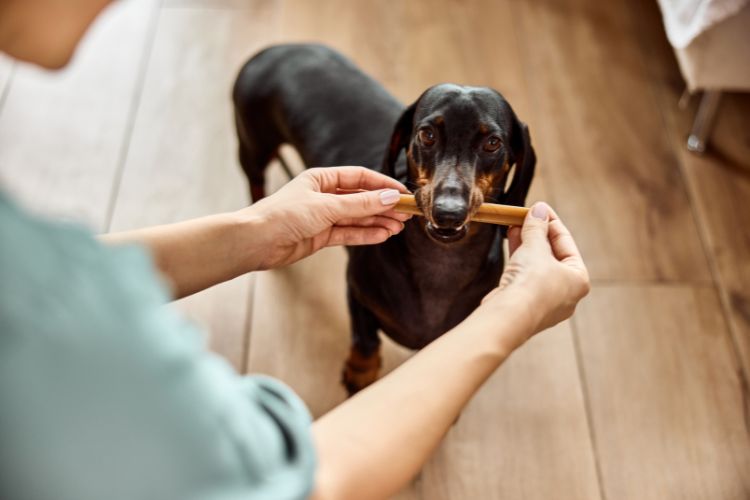
Dental chews and toys help scrape away plaque while keeping dogs engaged. Choose products approved by veterinary professionals to ensure safety and effectiveness. These tools support dog dental care while offering mental stimulation.
Schedule Routine Veterinary Exams
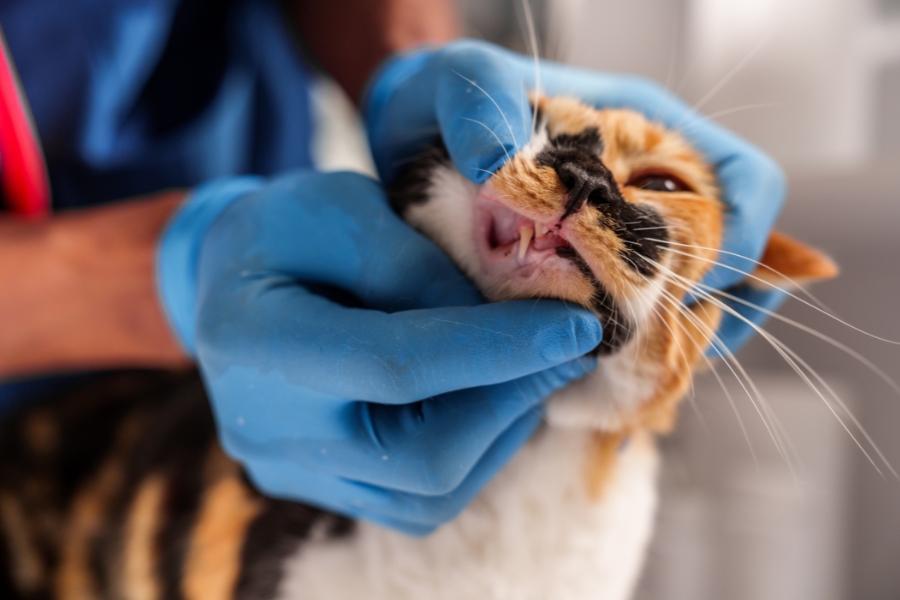
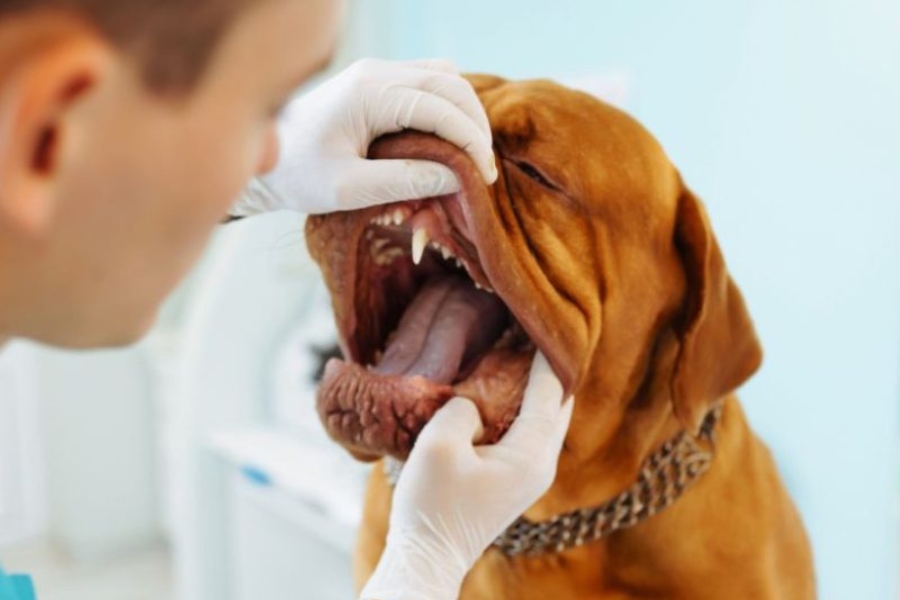
Professional checkups allow veterinarians to detect dental issues early. During visits, your vet examines the mouth, recommends cleanings, and addresses concerns before they worsen.
Pay Attention to Diet
High-quality dog food supports oral health by limiting plaque buildup. Avoid sugary treats and table scraps, which encourage bacterial growth. In some cases, veterinarians may suggest dental-specific diets.
Consider Professional Dental Cleanings
When home care cannot control tartar, professional cleanings become essential. These procedures remove buildup beneath the gum line and restore oral health safely under veterinary supervision.
When Should You See a Veterinarian for Bad Breath?
Although mild odor may occur occasionally, persistent or worsening bad breath signals a problem. Contact your veterinarian if you notice:
- Loss of appetite
- Excessive drooling
- Swollen or bleeding gums
- Weight loss
- Behavioral changes
- Vomiting or diarrhea
Early treatment prevents discomfort and helps avoid serious health complications.
Maintaining Fresh Breath and Long-Term Oral Health
Consistent oral hygiene keeps your dog comfortable and confident. By brushing regularly, offering dental products, and scheduling professional care, you reduce odor and protect your pet’s teeth and gums. Most importantly, proactive care prevents pain and supports overall wellness throughout your dog’s life.
Healthy teeth and fresh breath play an important role in your dog’s overall comfort and long-term wellness. With regular dental care, early detection of oral issues, and professional support, you can prevent painful conditions and help your dog enjoy a happier life.
If you are in Hartsdale, NY and looking for dog dental care, book an appointment with Hartsdale Veterinary Hospital. Our veterinary team is committed to providing gentle, comprehensive dental services that support your dog’s oral health and overall well-being.
FAQs
Q1. Why does my dog have bad breath even after eating well?
Ans. Bad breath often develops due to plaque and bacteria buildup on the teeth and gums, not just diet. Without proper oral hygiene, bacteria continue to grow and cause odor.
Q2. How can I naturally improve my dog’s breath at home?
Ans. You can improve your dog’s breath by brushing their teeth regularly, providing approved dental chews, and maintaining a consistent oral care routine.
Q3. How do I know if my dog needs professional dental cleaning?
Ans. Signs such as persistent bad breath, red or bleeding gums, difficulty chewing, or visible tartar indicate the need for professional dental cleaning.
Q4. Can dental problems affect my dog’s overall health?
Ans. Yes. Untreated dental issues allow bacteria to enter the bloodstream, which may impact vital organs like the heart, liver, and kidneys.
Q5. Are dental treats enough to keep my dog’s mouth healthy?
Ans. Dental treats help reduce plaque, but they should support—not replace—regular brushing and veterinary dental checkups.
Q6. At what age should dogs start dental care routines?
Ans. Dogs should begin dental care as early as possible. Early routines help prevent plaque buildup and make oral care easier as they age.