Dental health is a vital part of your pet’s overall well-being, yet it is often overlooked. As cats and dogs age, their teeth and gums can develop plaque, tartar, and other oral issues that may lead to pain, infection, or even more serious systemic problems. However, poor dental health does not mean your pet cannot live comfortably and happily. With consistent care and proactive attention, you can help your pet maintain a healthy mouth and enjoy a better quality of life.
Many dental issues can be prevented or managed effectively when addressed early. From at-home brushing and chewing toys to professional cleanings and regular veterinary checkups, small, consistent steps can make a significant difference. This guide explores practical, veterinarian-approved strategies to keep your pet’s teeth healthy, especially for pet owners in Hartsdale, NY.
Understanding Pet Dental Health
Pets experience dental changes as they age, including tartar accumulation, gum inflammation, and tooth wear. Left untreated, these issues can lead to bad breath, difficulty eating, or more serious conditions like kidney or heart disease.
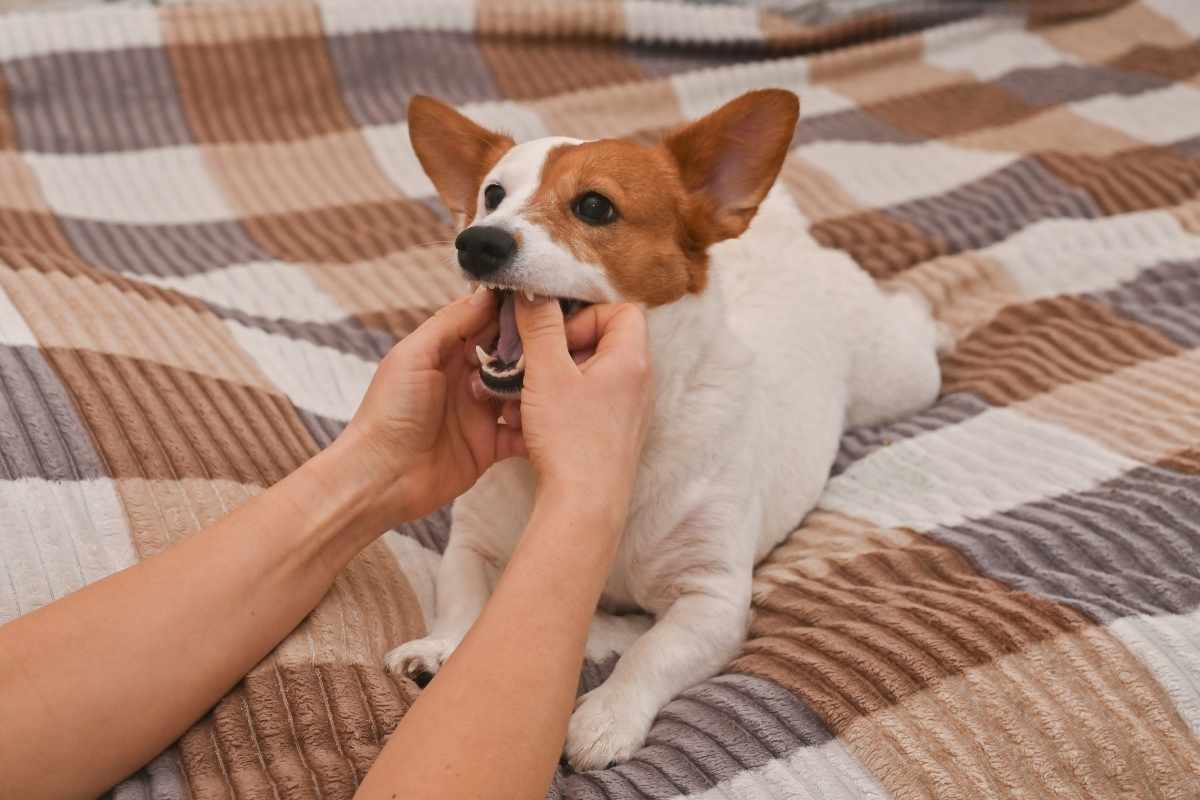
Regular monitoring and care are essential. Signs of dental problems include:
- Persistent bad breath
- Red or bleeding gums
- Loose or broken teeth
- Reluctance to eat or chew
Recognizing these early allows you to take action before problems worsen.
Effective Home Care for Your Pet’s Teeth
Daily dental care at home is the foundation for keeping your pet’s teeth healthy. Veterinarians recommend the following steps:
- Brushing
Use a pet-safe toothbrush and toothpaste. Brushing should ideally be done daily, but even a few times a week helps remove plaque and prevent tartar buildup. - Dental Chews and Toys
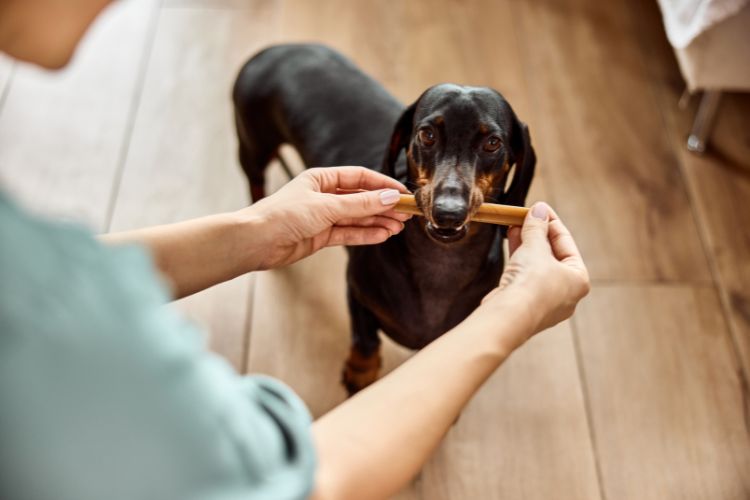
Veterinarian-approved chews and toys promote chewing, which naturally reduces plaque. Ensure they are appropriately sized to avoid choking hazards. - Healthy Diet
Some pet foods are formulated to support dental health. Look for options with crunchy textures or specific dental benefits, and avoid high-sugar treats that contribute to plaque formation. - Water Additives and Oral Rinses
Certain water additives recommended by your veterinary hospital can help reduce bacteria and maintain fresh breath.
Consistency is key. Even small efforts at home can have a meaningful impact on your pet’s oral health.
Professional Dental Care
While home care is essential, professional dental cleanings are equally important. Hartsdale Veterinary Hospital recommends regular dental exams and cleanings based on your pet’s age, breed, and oral health status.
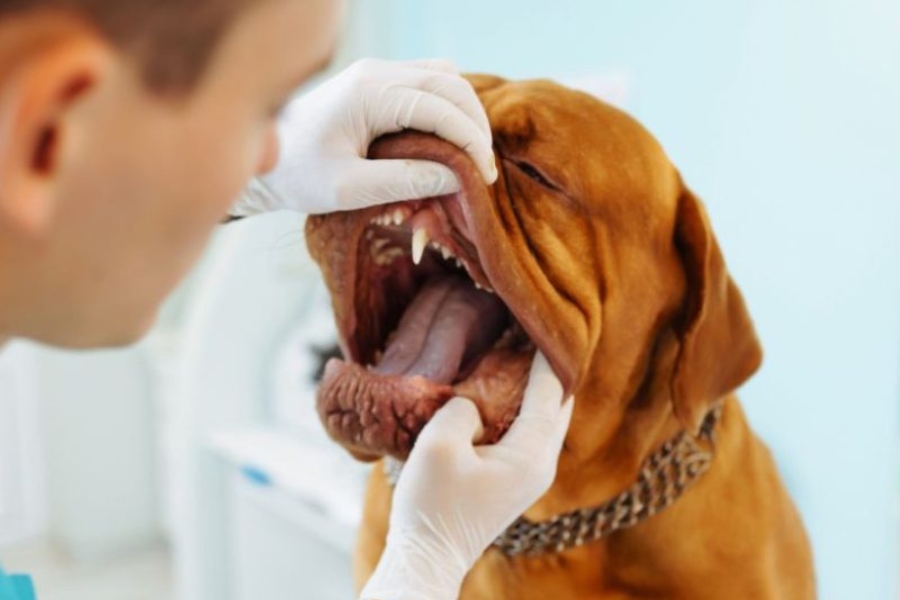
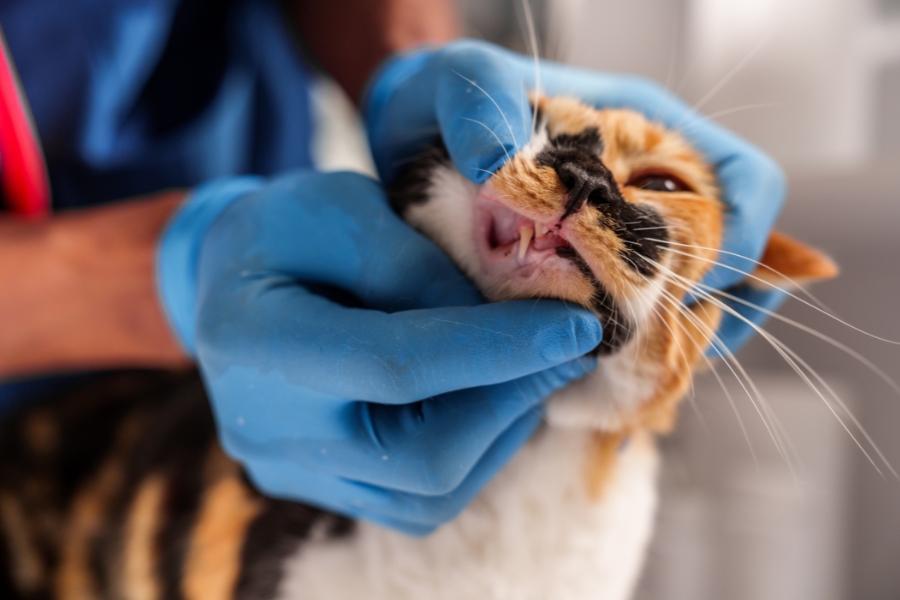
During professional cleanings, veterinarians can:
- Remove tartar and plaque buildup
- Examine teeth for fractures or infections
- Assess gum health and treat periodontal disease
- Provide guidance for ongoing home care
Professional care ensures that potential issues are addressed early and that pets remain comfortable and healthy.
Creating a Routine and Monitoring Health
Routine dental care should be part of your pet’s overall wellness plan. Establish a schedule for:
- Daily or weekly brushing
- Regular chews or dental toys
- Annual or semi-annual dental exams at a veterinary hospital
Additionally, monitor your pet for changes in behavior, appetite, or chewing habits, as these can indicate oral discomfort or disease.
Tips for Senior Pets
Aging pets require extra attention to dental health. Older dogs and cats may have more fragile teeth and gums, making regular checkups and gentle cleaning even more critical. Signs like drooling, weight loss, or difficulty chewing should prompt a visit to your local veterinary team.
Partner with Your Local Veterinarian
Maintaining oral health is easier with guidance from professionals. For pet owners in Hartsdale, NY, booking a visit at Hartsdale Veterinary Hospital ensures that your furry companions receive comprehensive dental care. The team can provide tailored advice, perform cleanings, and recommend products that suit your pet’s specific needs.
Schedule your appointment at Hartsdale Veterinary Hospital today to keep your pet’s teeth healthy and prevent future dental problems.
FAQs
Q1. How often should I brush my pet’s teeth?
A: Daily brushing is ideal, but even 2–3 times a week can help reduce plaque and tartar.
Q2. Are dental chews really effective?
A: Yes, veterinarian-approved chews can help reduce plaque buildup, but they should complement, not replace, brushing.
Q3. When should my pet get a professional dental cleaning?
A: Typically, once a year or as recommended by your veterinarian based on age, breed, and oral health.
Q4. Can dental disease affect other parts of my pet’s body?
A: Yes, untreated oral infections can impact the heart, kidneys, and liver.
Q5. Are there any home remedies for bad breath in pets?
A: Regular brushing, dental chews, and veterinarian-approved water additives can help, but persistent bad breath should be evaluated by a veterinary hospital.
Q6. How do I know if my senior pet’s teeth need extra attention?
A: Watch for drooling, difficulty eating, loose teeth, or changes in chewing habits, and consult your local veterinarian promptly.