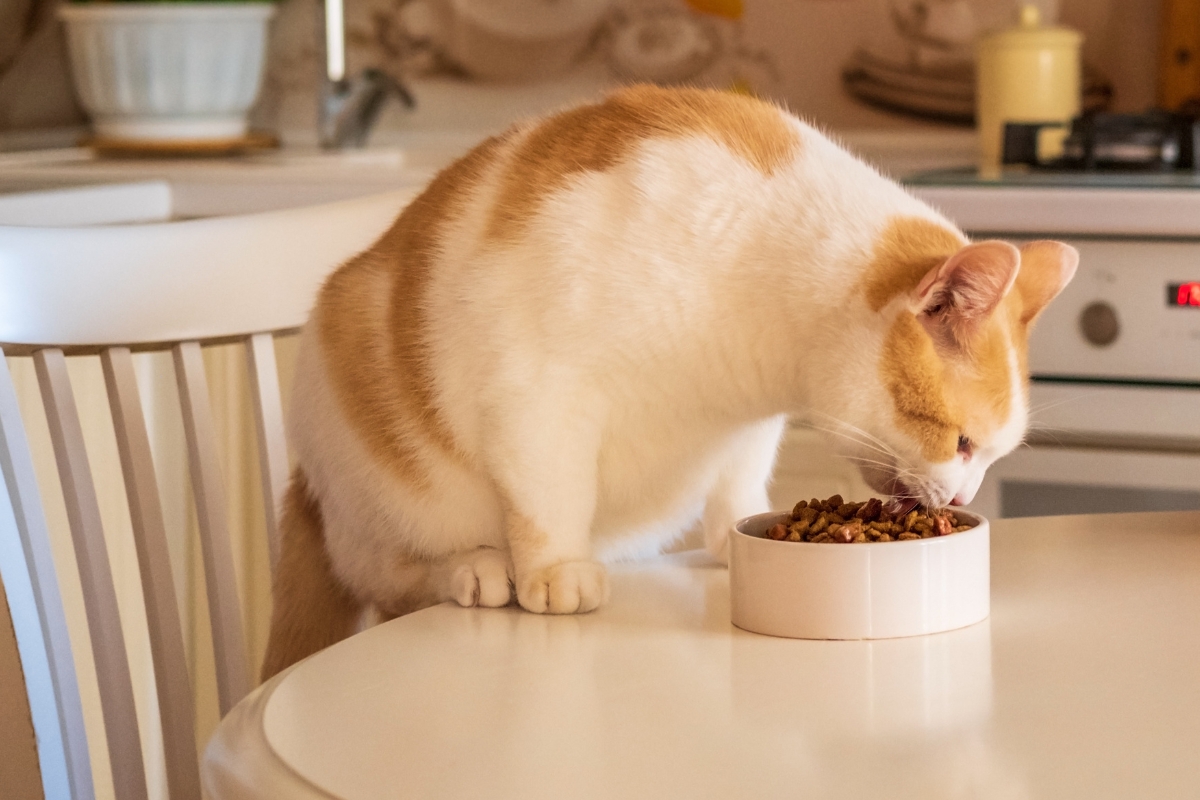
As your cat ages, their nutritional needs change. Just like humans, senior cats experience shifts in metabolism, activity levels, and overall health, which can affect their dietary requirements. In Hartsdale, NY, where many pet owners consider their cats as cherished members of the family, understanding the importance of proper nutrition for aging felines is crucial. Proper nutrition in their senior years helps cats maintain a healthy weight, a strong immune system, and good digestive health, ensuring they live their golden years comfortably.
In this blog, we’ll walk you through the best practices for feeding senior cats, with tips on how to adjust their diet to support their aging bodies and maximize their quality of life.
1. Why Senior Cat Nutrition Matters
Senior cats, typically defined as cats over 7 years of age, require special attention when it comes to their diet. As they age, they may become less active, which can lead to weight gain or loss, and their metabolism may slow down. Their digestive system may also become less efficient, and they might develop specific health conditions like arthritis, kidney disease, or dental problems.
A well-balanced diet can help mitigate some of these challenges. Providing your senior cat with the right amount of protein, healthy fats, and fiber can ensure they maintain a healthy weight, support muscle mass, and prevent issues like constipation and obesity.
2. Protein: The Key to Maintaining Muscle Mass
Protein is essential for all cats, but it becomes even more important as they age. As cats get older, they naturally lose muscle mass, which can impact their strength, mobility, and overall health. A high-quality, protein-rich diet can help preserve muscle mass, improve energy levels, and support healthy organ function.
Look for cat foods with animal-based proteins like chicken, turkey, or fish. These proteins are more easily digestible for cats compared to plant-based sources. When selecting food, ensure that the protein content is appropriate for your cat’s age and activity level—older cats generally need more protein than younger cats to maintain muscle mass.
3. Healthy Fats for Energy and Coat Health
Fats are another important component of your senior cat’s diet. As your cat ages, their metabolism slows down, meaning they may need fewer calories overall. However, healthy fats are still essential for providing energy, promoting a shiny coat, and supporting brain health.
Look for diets that include omega-3 and omega-6 fatty acids, which can be found in fish oils and flaxseed. These fats can help reduce inflammation and improve joint health, which is particularly beneficial for senior cats with arthritis or other joint-related issues.
4. The Importance of Fiber
Fiber plays a vital role in digestive health. As your cat ages, they may experience constipation or slower digestion, making fiber an essential nutrient to include in their diet. Fiber helps regulate bowel movements and supports overall gut health.
Good sources of fiber for cats include pumpkin, sweet potatoes, and certain grains like oats and rice. These fiber sources can help your senior cat maintain a healthy digestive system and avoid discomfort associated with constipation.
5. Hydration: Don’t Overlook Water Intake
Hydration is critical for all cats, but it becomes even more important for senior cats. As they age, cats become more susceptible to dehydration, which can exacerbate kidney disease and lead to other health complications. Since cats often don’t drink as much water as they should, it’s essential to find ways to encourage water intake.
You can increase your senior cat’s hydration by offering wet food, which contains more moisture than dry food. Additionally, consider placing multiple water bowls around the house, using a cat water fountain, or adding water to their food to ensure they’re staying hydrated.
6. Supplements for Aging Cats
Some senior cats may benefit from dietary supplements, particularly if they have specific health concerns like arthritis or kidney disease. Common supplements for senior cats include:
- Glucosamine and chondroitin: These can help improve joint health and reduce the pain associated with arthritis.
- Probiotics: They support gut health and digestion, especially if your cat has digestive issues or is on a medication that affects their gut flora.
- Antioxidants: These help support the immune system and combat oxidative stress, which can contribute to aging-related diseases.
Before adding supplements to your senior cat’s diet, always consult with your veterinarian to ensure they are appropriate for your cat’s specific needs.
7. Adjusting Portion Sizes and Feeding Frequency
As cats age, their activity levels often decrease, which means their calorie needs may also decrease. However, some senior cats may still have a hearty appetite but become less active, which can lead to obesity. To prevent this, it’s important to monitor portion sizes and adjust feeding frequency.
Instead of free-feeding, consider offering your senior cat smaller, more frequent meals throughout the day. This can help manage their weight, prevent overeating, and ensure they get the nutrients they need without consuming excess calories.
8. Choosing the Right Senior Cat Food
Not all cat food is created equal, and the food you choose for your senior cat should reflect their nutritional needs. When shopping for senior cat food, look for the following:
- High-quality protein sources to support muscle mass.
- Omega-3 and omega-6 fatty acids to promote coat health and reduce inflammation.
- Added fiber to support digestive health.
- Fewer calories to account for reduced activity levels.
Many brands now offer specialized senior cat food formulas designed to meet the unique needs of aging cats. If you’re unsure which food is best for your senior cat, consult with your veterinarian to find a product that’s tailored to their health requirements.
Proper senior cat care involves not just providing love and attention but also feeding your pet the right nutrients to support their aging bodies. By choosing high-quality food with the right balance of protein, fats, and fiber, and keeping a close eye on their hydration and overall health, you can ensure that your cat enjoys a long, happy, and healthy life. At Hartsdale Veterinary Hospital, we’re here to help guide you in making the best nutritional choices for your aging feline.
If you’re in Hartsdale, NY, and have concerns about your senior cat’s diet or health, don’t hesitate to schedule a consultation with our experienced team. We’re committed to providing top-notch care and advice for your pet’s well-being.
FAQs
Q1. How often should I feed my senior cat?
Ans. It’s best to feed your senior cat smaller, more frequent meals to prevent overeating. Discuss with your veterinarian the appropriate amount of food based on your cat’s activity level and weight.
Q2. Can I switch my senior cat’s food to a diet formula?
Ans. Yes, senior cat food formulas are specifically designed to meet the needs of aging cats. Consult with your veterinarian to determine which type of food is best for your cat’s health.
Q3. How can I tell if my senior cat is overweight?
Ans. If your cat is having difficulty jumping, moving around, or shows signs of lethargy, they might be overweight. Your veterinarian can assess their body condition and recommend dietary changes.
Q4. Does my senior cat need supplements?
Ans. Some senior cats benefit from supplements like glucosamine for joint health or probiotics for digestion. However, it’s important to consult with your veterinarian before adding supplements to your cat’s diet.
Q5. How can I encourage my senior cat to drink more water?
Ans. Offering wet food, placing multiple water bowls around the house, and using a cat water fountain can help encourage your cat to drink more water. Keep their hydration in mind as they age.
Q6. What are the signs of kidney disease in senior cats?
Ans. Signs of kidney disease include increased thirst, frequent urination, weight loss, and a decrease in appetite. If you notice any of these symptoms, it’s important to see a vet for a proper diagnosis and treatment plan.