As a responsible pet owner, you want to ensure your furry friend lives a long, healthy life. However, just like humans, pets can develop health issues that are not always easy to detect, making preventive care, including veterinary laboratory tests, crucial. These tests help identify potential health problems early, allowing for prompt intervention and better outcomes for your pet’s well-being.
This blog is specifically for pet owners in Hartsdale, NY, who want to learn more about the importance of laboratory testing and how they contribute to your pet’s overall health. In this guide, we’ll explain how these tests can detect underlying health conditions, which types of tests are typically performed, and why regular testing should be an essential part of your pet’s preventative care.
Keep reading to discover how regular lab tests can enhance your pet’s health and help them lead a happy, comfortable life.
How Laboratory Testing Helps Improve Your Pet’s Health
Laboratory tests provide vital insights into your pet’s health. These tests can detect issues that might not be apparent during a routine physical exam. Early detection allows the veterinarian to treat health concerns before they develop into serious problems, improving your pet’s long-term well-being.
Veterinary laboratory tests involve analyzing samples such as blood, urine, feces, or other bodily fluids. These tests provide valuable information about your pet’s organs, immune system, metabolism, and overall health status. Blood tests, urine tests, and fecal exams are just a few examples of common tests that help identify health issues.
Regular veterinary lab tests enable early detection of diseases or conditions before they become more severe. These tests help track your pet’s health over time and provide insights that guide treatment decisions. Routine testing is a proactive approach to preventing serious health issues.
Who Benefits from These Tests?
While all pets benefit from routine lab tests, they are especially important for older pets, pets with pre-existing health conditions, or those exhibiting signs of illness. Regardless of your pet’s age or health status, regular testing ensures you are taking the right steps to maintain their health and well-being.
Common Types of Veterinary Laboratory Tests
Laboratory tests vary depending on your pet’s specific health needs. Some of the most common tests the veterinarian might recommend include:
1. Blood Tests
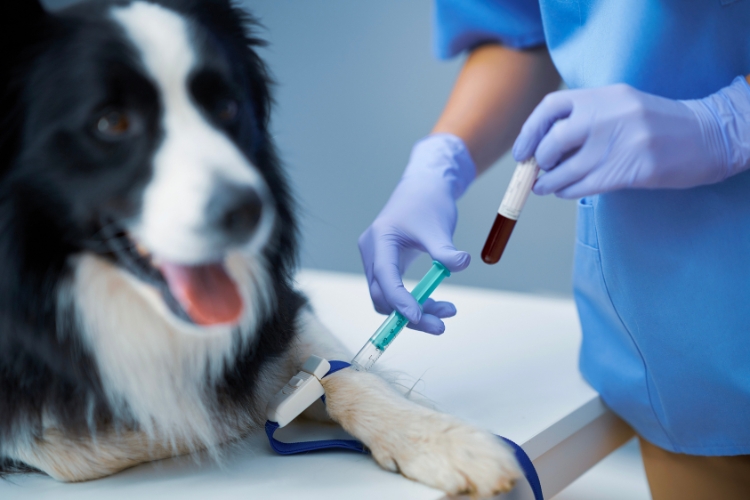
Blood tests are one of the most essential diagnostic tools for pets. They provide a wealth of information about your pet’s overall health. Common blood tests include:
- Complete Blood Count (CBC): This test measures the number and types of blood cells, helping identify conditions such as anemia, infections, or bleeding disorders.
- Chemistry Panel: This test checks your pet’s organ function (liver, kidneys, pancreas) and assesses important factors such as blood glucose, electrolytes, and protein levels.
- Thyroid Testing: Thyroid issues are common in older pets, and thyroid testing can identify hypothyroidism or hyperthyroidism, both of which require specific treatment.
Blood tests are often part of routine exams and are essential for detecting early signs of conditions like kidney disease, diabetes, or liver problems.
2. Urinalysis
A urinalysis is a diagnostic test that examines your pet’s urine for signs of disease or infection. A urinalysis helps diagnose conditions like:
- Urinary Tract Infections (UTIs): The presence of bacteria or white blood cells in the urine may indicate an infection.
- Kidney Disease: Urinalysis can reveal early signs of kidney dysfunction, especially in older pets.
- Diabetes: High levels of glucose or ketones in the urine can signal diabetes.
Urinalysis is typically done during annual exams, particularly for senior pets or those at risk for kidney disease or diabetes.
3. Fecal Tests
Fecal tests examine your pet’s stool for signs of parasites or gastrointestinal issues. It’s an important test, especially for pets that spend time outdoors. A fecal test can detect:
- Intestinal Parasites: Common parasites such as worms, Giardia, and coccidia can be detected through fecal testing.
- Digestive Health: Imbalances in gut bacteria can also be detected.
Pets that spend time outdoors or interact with other animals are at a higher risk for parasites, so fecal tests are an important part of regular health checks.
4. Heartworm Testing
Heartworms are parasitic worms that affect a pet’s heart and lungs. A blood test can detect the presence of heartworm larvae, which are transmitted through mosquito bites. Without treatment, heartworms can cause severe damage to your pet’s organs and can be fatal.
- Why Heartworm Tests Matter: Early detection of heartworm disease allows for prompt treatment, which is essential for your pet’s health.
If your pet is at risk for heartworm, annual testing is necessary. Speak to the vet about heartworm prevention if you live in a region where these parasites are prevalent.
How Laboratory Tests Support Preventive Care for Your Pet
Preventive care is about keeping your pet healthy and catching potential problems before they escalate. Laboratory tests are a cornerstone of diagnostic care, as they provide essential information about your pet’s health.
1. Early Detection of Diseases
Lab tests can reveal underlying health issues that may not yet show symptoms. For example, a blood test may detect early signs of kidney disease or liver dysfunction, allowing the vet to intervene early and prevent further damage.
2. Tracking Chronic Conditions
For pets with existing health conditions (such as diabetes or arthritis), regular lab tests help monitor disease progression. These tests ensure that your pet’s condition is properly managed, and they allow for adjustments to medications or treatments as needed.
3. Personalized Care Plans
By analyzing lab test results, the veterinarian can develop a personalized care plan tailored to your pet’s specific health needs. Whether it’s adjusting their diet, starting a medication, or scheduling follow-up tests, the results guide your pet’s ongoing care.
4. Preventing Long-Term Health Issues
Routine lab tests can help detect issues early, preventing the development of more serious health conditions. For instance, identifying kidney problems early can lead to dietary changes and medications that slow disease progression.
The Benefits of Regular Laboratory Tests for Your Pet
Routine veterinary laboratory tests provide a wealth of benefits for both you and your pet. Here are some of the advantages:
1. Ongoing Health Monitoring
By incorporating regular lab tests into your pet’s routine wellness exams, you’ll have a clear picture of their health over time. These tests track any changes, making it easier to detect emerging health issues early.
2. Peace of Mind
Knowing that your pet’s health is being monitored regularly gives you peace of mind. You’ll feel confident that any potential health issues are being addressed before they become serious problems.
3. Improved Quality of Life
When health problems are detected and treated early, your pet is less likely to experience pain, discomfort, or a diminished quality of life. Early intervention can prevent more severe symptoms and improve your pet’s overall health.
Prevent Severe Issues With Regular Veterinary Lab Tests
Veterinary laboratory tests are a vital part of your pet’s preventative care. They help detect potential health problems early, monitor chronic conditions, and ensure your pet receives the appropriate treatment. Regular testing can prevent serious issues, improve your pet’s overall well-being, and help them lead a long, healthy life.
If you’re in Hartsdale and want to ensure your pet receives the best care possible, book an appointment with Hartsdale Veterinary Hospital. Our team can perform routine laboratory tests, monitor your pet’s health, and provide personalized care plans to keep your furry friend happy and healthy.
FAQs
1. What are some common lab tests for pets?
Common lab tests include blood tests, urinalysis, fecal exams, and heartworm screenings. These tests help identify underlying conditions like infections, kidney disease, or parasites.
2. How often should my pet have lab tests?
It’s recommended that your pet’s lab tests be performed during annual wellness exams. Older pets or pets with health conditions may require more frequent testing.
3. What do blood tests tell you about my pet’s health?
Blood tests provide insights into your pet’s organ function, immune system, and overall health. They can detect conditions like anemia, infections, and metabolic disorders.
4. How can lab tests help with managing chronic conditions?
Regular lab tests help monitor the progression of chronic conditions such as diabetes, kidney disease, or thyroid issues. They allow for adjustments to treatment plans as needed.
5. Can lab tests detect cancer in pets?
While lab tests can’t definitively diagnose cancer, they can indicate signs of abnormal cell activity. Further tests, like imaging or biopsy, are needed for a cancer diagnosis.
6. Are lab tests necessary for all pets?
While lab tests are crucial for pets with specific health concerns, they are also beneficial for healthy pets to establish a baseline and detect issues early. Consult with the vet to determine the right schedule for your pet’s testing needs.