As dogs grow older, maintaining a healthy weight becomes increasingly important for their comfort, mobility, and overall quality of life. A senior dog may become less active while still enjoying the same meals, treats, and snacks as before. Over time, this imbalance can lead to gradual weight gain.
Extra weight can place additional strain on aging joints, muscles, and internal organs. It may also make it harder for your dog to walk, play, climb stairs, or maintain normal daily activities. On the other hand, unexplained weight loss can sometimes indicate an underlying health concern.
A thoughtful approach to nutrition, exercise, routine monitoring, and veterinary care can help your dog maintain a healthier body condition throughout the senior years. For families looking for senior pet care in Hartsdale, understanding how to manage weight is an important part of supporting an older dog’s long-term well-being.
Why Weight Management Matters for Senior Dogs
Aging naturally changes a dog’s metabolism and activity level. Many older dogs burn fewer calories because they spend more time resting and may have less muscle mass than they did when they were younger. Continuing to provide the same amount of food without considering these changes can gradually contribute to excess weight.
Extra body weight can affect an aging dog in several ways. It may increase pressure on the joints, make movement more difficult, and contribute to reduced physical activity. This can create a cycle in which a dog moves less because movement is uncomfortable, leading to further weight gain.
Healthy weight management can help support:
- Comfortable movement and mobility
- Joint and muscle health
- Healthy energy levels
- Cardiovascular health
- Better daily activity
- Overall quality of life
Your veterinarian can evaluate your dog’s body condition and help determine an appropriate weight goal based on age, breed, size, activity level, and overall health.
How to Tell If Your Senior Dog Is Overweight
Weight alone does not always tell the whole story. Two dogs of the same breed and weight can have very different body compositions. For this reason, veterinarians often evaluate body condition rather than relying only on the number displayed on a scale.
When viewed from above, a healthy dog generally has a visible waist behind the ribs. From the side, the abdomen should typically slope upward toward the hind legs. You should also be able to feel the ribs without pressing through a thick layer of fat.
Watch for Gradual Changes
Weight gain can happen so slowly that owners do not immediately notice it. Consider monitoring your dog regularly and watching for changes such as:
- A less visible waist
- Ribs becoming difficult to feel
- Reduced stamina during walks
- Difficulty getting up from the floor
- Reluctance to climb stairs
- Increased sleeping or resting
- Less interest in physical activity
If you are unsure about your dog’s body condition, a veterinary examination can provide a more objective assessment.
Senior Vet Care Can Help Identify Weight-Related Concerns
Weight management should not be treated as simply a matter of feeding less. Older dogs can experience changes in metabolism, mobility, digestion, muscle mass, and organ function that influence their nutritional needs.
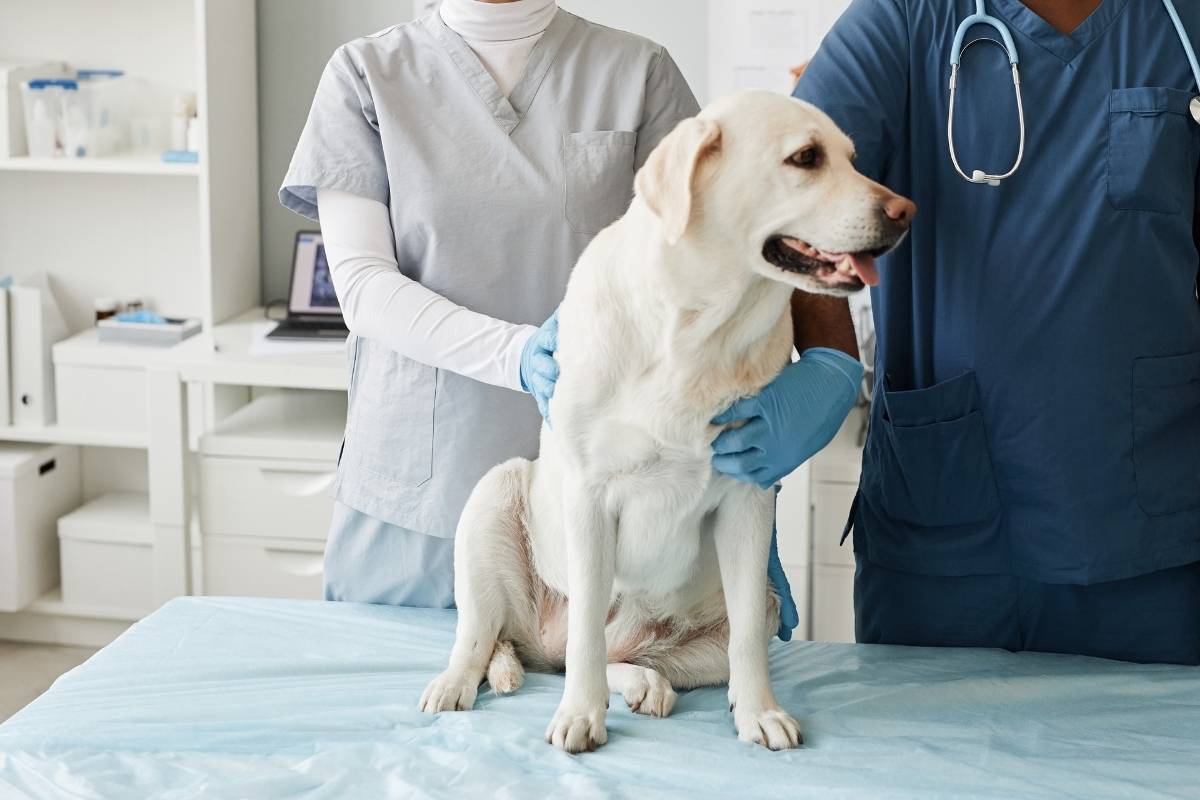
Regular senior vet care gives your veterinarian an opportunity to monitor these changes and identify potential concerns early. Hartsdale Veterinary Hospital recommends more frequent examinations for senior pets because age-related health changes can develop more quickly. The hospital notes that senior pets may benefit from examinations twice a year, with diagnostic screening as appropriate.
During a senior wellness visit, your veterinarian may assess:
- Body weight and body condition
- Muscle mass
- Joint mobility
- Appetite and eating habits
- Activity level
- Digestive changes
- Drinking and urination patterns
- Overall physical condition
These observations can help determine whether your dog simply needs dietary adjustments or whether additional evaluation may be appropriate.
Adjust Your Senior Dog’s Diet Carefully
One of the most important parts of weight management is ensuring that your dog receives an appropriate amount of calories and nutrients.
Senior dogs may need fewer calories than younger adult dogs, particularly when their activity level decreases. However, reducing food too aggressively can leave a dog without adequate nutrients or contribute to unwanted muscle loss.
Instead of making major dietary changes on your own, discuss your dog’s nutritional needs with your veterinarian.
Measure Meals Consistently
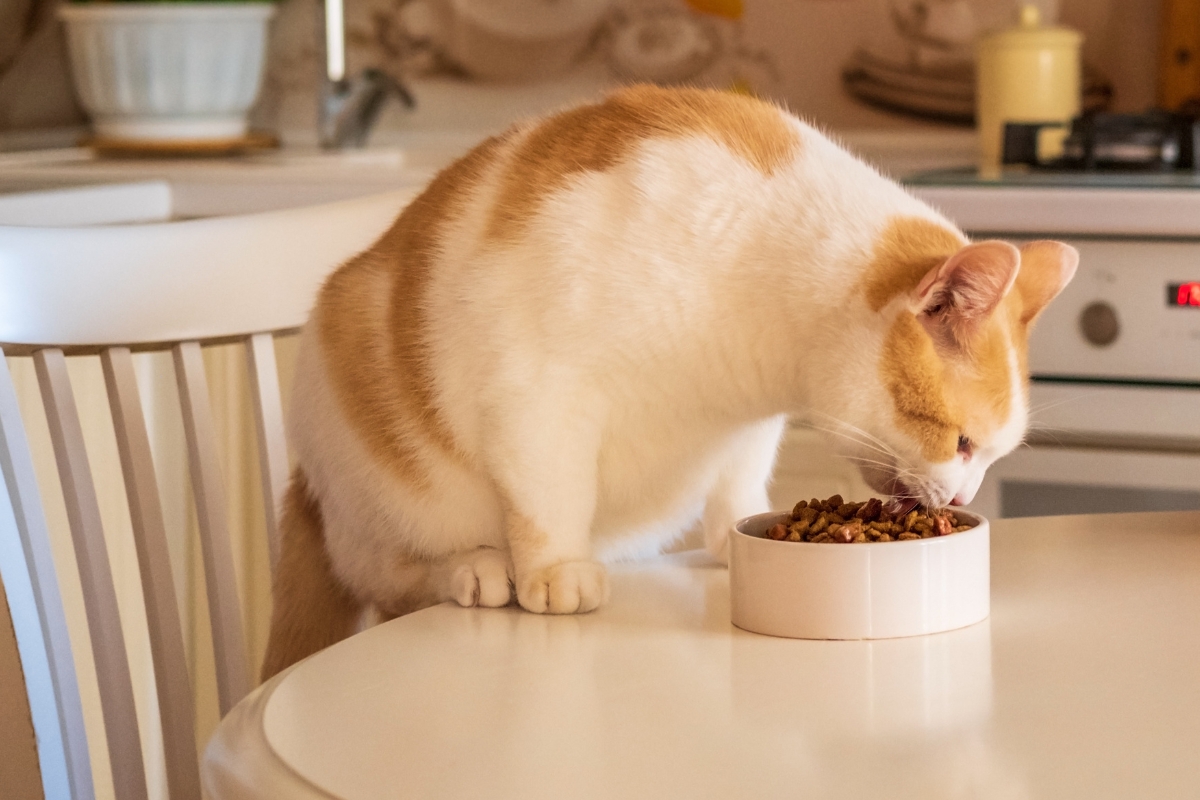
Portion control is essential. Measuring food with a proper measuring cup can help prevent accidental overfeeding. Free-feeding can make it difficult to determine how many calories your dog consumes throughout the day.
Keep track of:
- Daily meal portions
- Treats
- Dental chews
- Table scraps
- Supplements containing calories
- Food used for training
Even small extras can add up over time.
Choose Treats Wisely
Treats can be an important part of bonding and positive reinforcement, but they should be included in your dog’s overall daily calorie intake.
Consider using smaller treats or breaking larger treats into smaller pieces. You can also reserve a small portion of your dog’s regular food for training rewards.
Avoid routinely sharing calorie-dense table foods. Your veterinarian can help you determine which treats are appropriate for your dog’s age, weight, and health needs.
Protect Muscle While Managing Weight
Weight management is not only about reducing body fat. Preserving lean muscle is particularly important for senior dogs.
Older dogs can gradually lose muscle mass as they become less active. If a weight-loss plan is too restrictive, muscle loss may become a concern.
A balanced approach should combine appropriate nutrition with regular, age-appropriate activity. High-quality protein may support muscle maintenance, but the ideal diet depends on your dog’s individual health status.
Your veterinarian can help create a nutrition plan that considers your dog’s weight, muscle condition, activity level, and any existing health concerns.
Encourage Safe Exercise for Older Dogs
Exercise remains important during the senior years, but older dogs may not tolerate the same level of activity they enjoyed when they were younger.
Instead of long or strenuous activities, consider shorter and more consistent sessions.
Try Low-Impact Activities
Depending on your dog’s physical condition, appropriate activities may include:
- Short walks at a comfortable pace
- Gentle play with familiar toys
- Controlled indoor movement
- Sniffing activities and enrichment games
- Other low-impact activities recommended by your veterinarian
Consistency is often more useful than intensity. Several short walks may be easier for a senior dog than one long walk.
If your dog develops stiffness, reluctance to move, or other changes in mobility, discuss those observations with your veterinarian. Hartsdale Veterinary Hospital notes that arthritis management can include weight management, joint supplements, medications, physical therapy recommendations, and lifestyle changes when appropriate.
Monitor Your Dog’s Weight at Home
Regular monitoring can help you recognize changes before they become significant.
Try weighing your dog periodically using a reliable scale. Smaller dogs may be easier to weigh at home, while larger dogs may need to be weighed during veterinary visits.
Keep a simple record of:
- Weight
- Food portions
- Treat intake
- Exercise
- Appetite
- Energy level
- Mobility
A record can help you and your veterinarian recognize trends rather than relying on memory.
Watch for Unexpected Weight Loss
Weight management does not always mean helping a dog lose weight. Unplanned weight loss can also deserve attention, especially in an older dog.
If your senior dog is losing weight despite eating normally, drinking more than usual, becoming less active, or experiencing other changes, schedule a veterinary evaluation. Changes in weight can sometimes accompany underlying medical conditions, making professional assessment important.
Make Healthy Habits Part of Your Dog’s Daily Routine
Successful weight management works best when it becomes part of everyday life.
Feed meals at consistent times. Measure portions carefully. Keep treats controlled. Encourage gentle activity and provide comfortable opportunities for rest.
Family members should also understand your dog’s feeding plan. If one person measures meals while another regularly provides extra snacks, calorie intake can quickly become difficult to manage.
You can also replace some food-based rewards with attention, praise, gentle play, or enrichment activities. This allows you to continue rewarding your dog without adding unnecessary calories.
When to Seek Senior Pet Care Near You
Finding reliable senior pet care near you makes it easier to monitor your dog as their needs change. Regular veterinary visits provide an opportunity to assess weight, mobility, nutrition, and overall health.
Hartsdale Veterinary Hospital serves pets and families in Hartsdale and surrounding Westchester County communities. Its senior wellness approach includes regular examinations and diagnostic care to help identify age-related concerns early.
Pet owners should consider scheduling a veterinary evaluation if they notice:
- Rapid or unexplained weight changes
- Persistent appetite changes
- Reduced mobility
- Difficulty standing or walking
- Significant changes in energy
- Changes in drinking or urination
- Ongoing digestive problems
- Noticeable muscle loss
- New behavioral changes
These signs do not necessarily indicate a serious problem, but they are worth discussing with a veterinarian.
Building a Personalized Weight Management Plan
Every senior dog is different. A weight-management strategy that works for one dog may not be appropriate for another.
Breed, age, current weight, body condition, activity level, lifestyle, and medical history should all be considered. Some dogs may need gradual weight reduction, while others may need help maintaining their current weight and muscle mass.
A veterinarian can establish a realistic target and recommend appropriate feeding portions, exercise levels, monitoring intervals, and nutritional adjustments.
The goal is not simply to achieve a number on the scale. The goal is to help your dog remain comfortable, mobile, active, and engaged with the family for as long as possible.
Supporting a Healthier Senior Life
Managing your senior dog’s weight is one of the simplest ways to support mobility, comfort, and long-term wellness. Consistent portions, appropriate nutrition, gentle exercise, regular weight monitoring, and professional guidance can all contribute to a healthier aging process.
If you are searching for senior pet care in Hartsdale, working with a veterinary team can help you develop a plan tailored to your dog rather than relying on a one-size-fits-all approach. If you notice changes in your dog’s weight, appetite, mobility, or daily habits, schedule an appointment with our animal hospital for personalized guidance.
At Hartsdale Veterinary Hospital, our team provides compassionate, individualized veterinary care designed to help senior pets remain comfortable and enjoy their later years.
FAQs
1. How often should I weigh my senior dog?
Ans: Regular monitoring can help identify gradual changes. The ideal frequency depends on your dog’s health and weight-management goals. Your veterinarian can recommend an appropriate schedule.
2. Should I feed my senior dog less as they age?
Ans: Not necessarily. Many senior dogs have lower calorie requirements, but simply reducing food without considering nutritional needs may not be appropriate. Your veterinarian can recommend suitable portions based on your dog’s individual needs.
3. Can extra weight affect my senior dog’s joints?
Ans: Yes. Excess weight can place additional stress on aging joints and may make movement more difficult. Maintaining a healthy body condition can support mobility and overall comfort.
4. What exercise is best for an overweight senior dog?
Ans: Gentle, consistent activity is often preferable to strenuous exercise. Short walks and other low-impact activities may be appropriate, but your veterinarian should help determine the safest activity level for your dog.
5. Why is my senior dog losing weight even though they are eating?
Ans: Unexpected weight loss can have several possible causes. Changes in metabolism, digestion, dental health, or underlying medical conditions may contribute. A veterinary examination can help determine the cause.
6. When should my senior dog have veterinary checkups?
Ans: Senior dogs generally benefit from veterinary visits at least twice a year because age-related changes can develop more quickly. Your veterinarian can recommend a schedule based on your dog’s individual health needs.