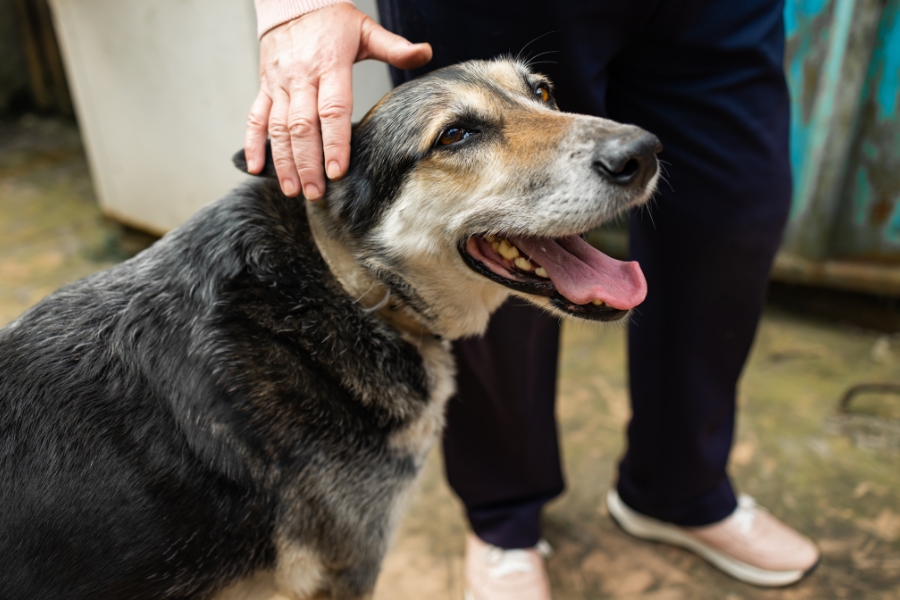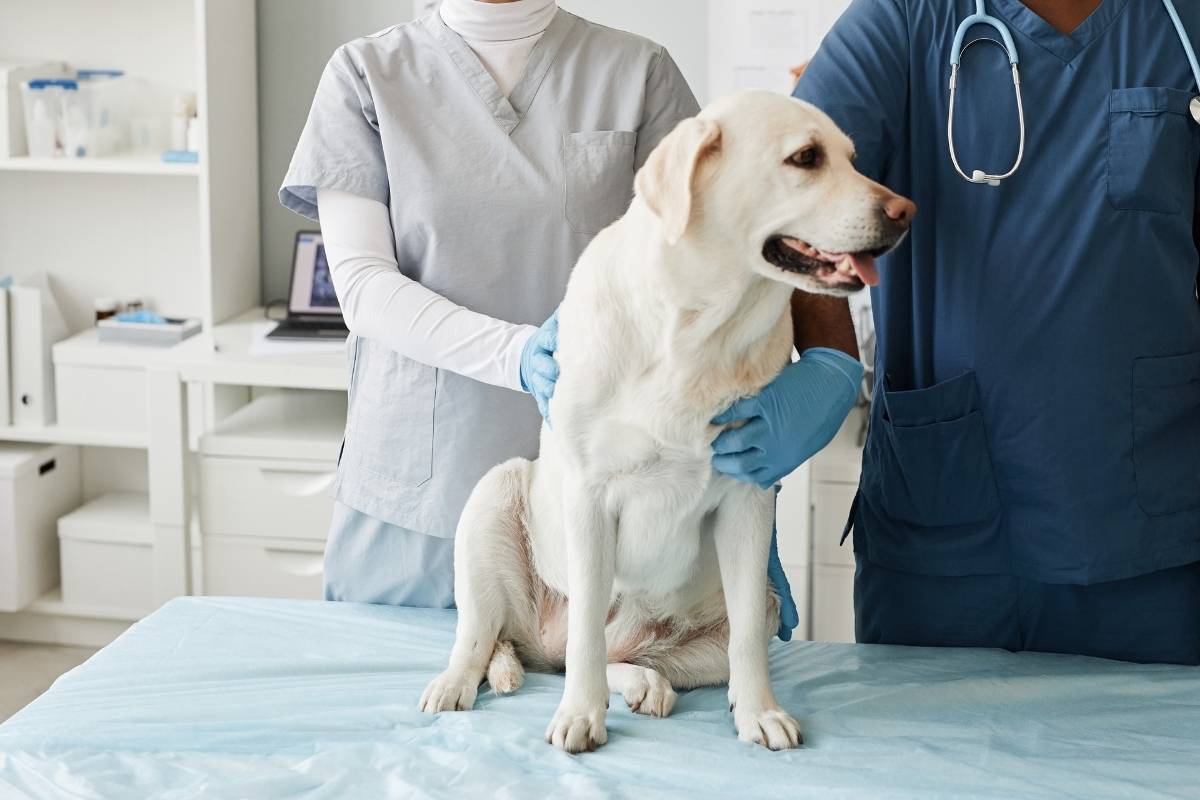
As pets grow older, their needs begin to change in ways that may not always be obvious at first. Slower movement, changes in appetite, cloudy eyes, or sleeping more often can all be normal signs of aging but in some cases, they may also point to underlying health concerns. Recognizing the early signs of aging and knowing when to seek veterinary attention can make a significant difference in your pet’s quality of life.
With proper monitoring, preventive care, and timely treatment, senior pets can continue to enjoy healthy, comfortable, and active lives for many years. Understanding what to watch for is the first step toward protecting your companion’s long-term wellness.
When Is a Pet Considered a Senior?
The age at which pets are considered seniors depends on their species, breed, and size. In general:
- Dogs are considered seniors around 7 years old, although large breeds may age faster.
- Cats are typically considered senior pets around 10 years old.
As pets enter their senior years, their bodies naturally undergo changes that may affect mobility, energy levels, vision, hearing, and organ function. Routine wellness exams and senior screenings become increasingly important during this stage of life.
Common Early Signs of Aging in Pets
1. Decreased Energy and Activity Levels
One of the most noticeable changes in aging pets is reduced energy. Your once playful dog may become less interested in walks, or your cat may spend more time resting.
While mild slowing down is normal, excessive lethargy may indicate health issues such as:
- Arthritis
- Heart disease
- Thyroid disorders
- Chronic pain
If your pet suddenly becomes withdrawn or inactive, it’s important to seek professional evaluation.
2. Weight Changes
Unexpected weight gain or loss should never be ignored in senior pets.
Weight gain may result from:
- Reduced activity
- Slower metabolism
- Joint pain limiting exercise
Weight loss can signal more serious conditions, including:
- Kidney disease
- Diabetes
- Cancer
- Dental disease
Maintaining a healthy weight is essential for effective senior pet care in Hartsdale and can help reduce stress on joints and internal organs.
3. Difficulty Moving or Climbing
Older pets commonly develop stiffness or mobility challenges. You may notice:
- Trouble climbing stairs
- Difficulty jumping onto furniture
- Limping after activity
- Slower movements after resting
These changes are often linked to arthritis or degenerative joint disease. Early intervention with pain management, supplements, rehabilitation, or lifestyle adjustments can significantly improve comfort.
4. Changes in Appetite or Drinking Habits
An aging pet may eat less due to dental pain, digestive issues, or illness. Increased thirst or urination may also indicate conditions such as:
- Diabetes
- Kidney disease
- Cushing’s disease
Monitoring eating and drinking habits closely is an important part of veterinary care in Hartsdale, especially for senior pets.
5. Dental Problems and Bad Breath
Dental disease becomes increasingly common with age. Symptoms may include:
- Bad breath
- Drooling
- Difficulty chewing
- Bleeding gums
- Loose teeth
Untreated dental disease can lead to infections that affect the heart, kidneys, and liver. Routine dental exams and professional cleanings are vital for senior pets.
6. Vision and Hearing Loss
Aging pets may gradually lose vision or hearing. You might notice:
- Bumping into objects
- Startling easily
- Ignoring commands
- Hesitation in unfamiliar spaces
Although some sensory decline is natural, sudden vision loss or severe disorientation should be evaluated immediately.
7. Behavioral Changes
Changes in behavior can sometimes signal pain, anxiety, or cognitive decline. Senior pets may:
- Become irritable
- Pace at night
- Forget house training
- Vocalize excessively
- Seem confused
Cognitive dysfunction syndrome, similar to dementia in humans, is relatively common in older pets. Early diagnosis may help slow progression and improve daily life.
When Should You Worry?
Not every change in your senior pet is an emergency, but certain symptoms should prompt immediate veterinary attention.
Contact your veterinarian if your pet experiences:
- Sudden collapse or weakness
- Difficulty breathing
- Persistent vomiting or diarrhea
- Severe weight loss
- Refusal to eat for more than 24 hours
- Signs of pain
- Difficulty urinating
- Sudden blindness
- Seizures
Early diagnosis often leads to more successful treatment outcomes and helps prevent conditions from worsening.
The Importance of Preventive Senior Care
Preventive care is one of the most effective ways to support healthy aging in pets. Regular wellness visits allow veterinarians to identify health concerns before symptoms become severe.
Senior wellness exams may include:
- Bloodwork
- Urinalysis
- Blood pressure monitoring
- Dental evaluations
- X-rays or ultrasounds
- Weight and mobility assessments
These screenings help detect diseases early, often before visible symptoms appear.
Nutrition for Aging Pets
Senior pets have different nutritional needs than younger animals. Feeding a balanced diet tailored to age, size, and health condition can support:
- Joint health
- Weight management
- Cognitive function
- Digestive health
- Immune support
Your veterinarian may also recommend supplements such as omega-3 fatty acids, glucosamine, or prescription diets for chronic conditions.
Keeping Senior Pets Comfortable at Home
Simple adjustments at home can greatly improve your pet’s comfort and safety.
Helpful changes may include:
- Orthopedic bedding
- Non-slip rugs
- Elevated food bowls
- Ramps or pet stairs
- Easy access to litter boxes
- Gentle daily exercise
Maintaining a consistent routine can also reduce stress and confusion in older pets.
Why Early Veterinary Care Matters
Many age-related diseases progress gradually and may go unnoticed until advanced stages. Regular checkups provide an opportunity to monitor subtle changes and adjust care plans accordingly.
Comprehensive veterinary care in Hartsdale can help manage:
- Arthritis
- Heart disease
- Kidney disease
- Diabetes
- Dental disease
- Cognitive decline
With early intervention, many senior pets continue to live active and fulfilling lives well into their later years.
Why Choose Our Animal Hospital for Senior Pet Care?
At Hartsdale Veterinary Hospital, we understand the unique needs of aging pets and the importance of compassionate, proactive care. Our experienced veterinary team is dedicated to providing personalized senior pet care in Hartsdale designed to support your pet’s comfort, health, and quality of life.
We offer:
- Comprehensive senior wellness exams
- Advanced diagnostic testing
- Dental care services
- Pain management solutions
- Nutritional guidance
- Compassionate long-term treatment plans
Our goal is to help pets age gracefully while giving pet owners the guidance and support they need every step of the way.
If you’ve noticed changes in your pet’s behavior, mobility, appetite, or overall health, don’t wait for symptoms to worsen. Schedule an appointment with our team today to ensure your senior companion receives the attentive care they deserve.
FAQs
1. How often should senior pets visit the veterinarian?
Ans: Most senior pets should have wellness exams every six months. More frequent visits may be recommended for pets with chronic medical conditions.
2. What are the first signs of arthritis in pets?
Ans: Early signs include stiffness, limping, difficulty standing, reluctance to jump, and reduced activity levels.
3. Is increased sleeping normal for older pets?
Ans: Some increase in sleep is normal with aging, but excessive lethargy or sudden changes in energy should be evaluated by a veterinarian.
4. Can senior pets still benefit from exercise?
Ans: Yes. Gentle, regular exercise helps maintain muscle strength, joint mobility, and mental stimulation. Activities should be adjusted to your pet’s abilities.
5. Why is bloodwork important for senior pets?
Ans: Bloodwork helps detect conditions like kidney disease, diabetes, thyroid disorders, and liver problems early, often before visible symptoms appear.
6. What diet is best for senior pets?
Ans: The best diet depends on your pet’s age, weight, breed, and health condition. Your veterinarian can recommend a nutrition plan tailored to your pet’s needs.