When it comes to caring for your pet, dental health often gets overlooked. However, poor oral hygiene can lead to serious issues like gum disease, tooth loss, and even organ damage. Just like humans, pets need routine dental care to maintain overall health and happiness.
Keeping your pet’s teeth clean is not only a matter of fresh breath but also essential for preventing painful infections and expensive treatments down the line.
1. Brush Regularly, But the Right Way
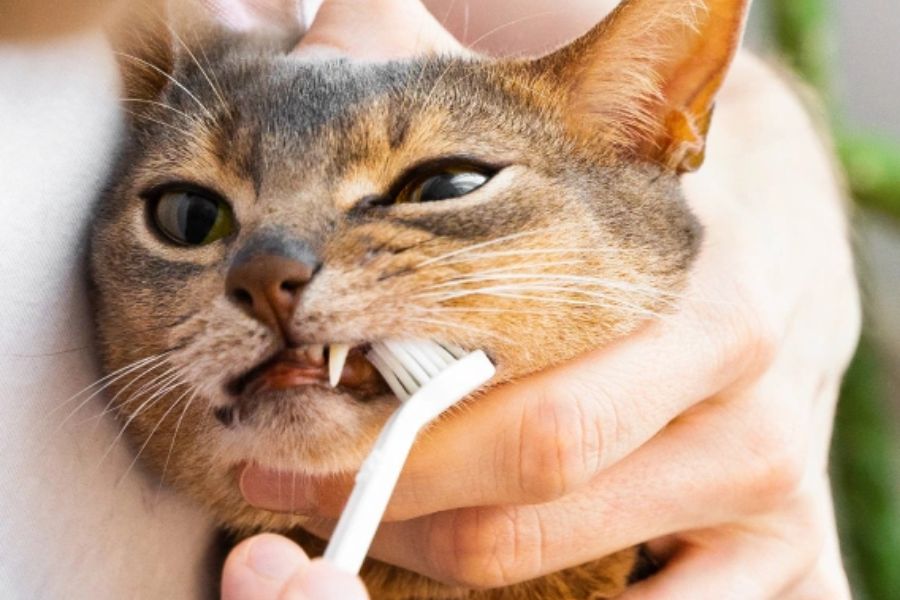
Brushing your pet’s teeth may seem a bit daunting at first, but with a little practice, it can become a routine part of your day.
Use a pet-specific toothbrush and toothpaste—never use human toothpaste, as it contains ingredients harmful to pets.
Start by letting your pet taste the toothpaste. Gradually introduce the brush in small steps, and always reward them afterward. Aim to brush their teeth at least 2–3 times per week, if not daily.
Tip: Choose a time when your pet is calm, like after a walk or play session.
2. Chew Toys: Fun Meets Function
Did you know that playtime can double as dental care? Chew toys are a fantastic way to reduce plaque and tartar buildup while keeping your pet entertained.
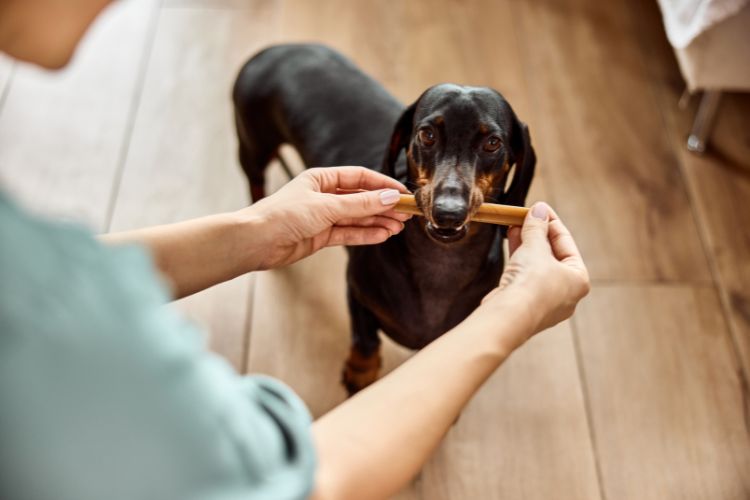
Look for dental-specific chew toys or treats designed to gently scrape off debris from teeth. For dogs, rubber toys and rawhide alternatives are great. For cats, dental treats infused with enzymes can do wonders.
Bonus: Chew toys also help prevent destructive chewing habits caused by boredom.
3. Offer Dental Treats—With a Purpose
Dental treats are more than just snacks—they’re a secret weapon in your dental care toolkit. These treats are specially formulated to help clean teeth, freshen breath, and fight plaque.
Choose products approved by the Veterinary Oral Health Council (VOHC) to ensure they truly benefit your pet’s dental health. However, remember that treats should complement brushing, not replace it.
4. Regular Vet Checkups Are Essential
Even with the best at-home routine, nothing replaces professional dental care. Don’t forget to book those yearly veterinary checkups! Keeping up with them is key to ensuring your pet stays in great shape.
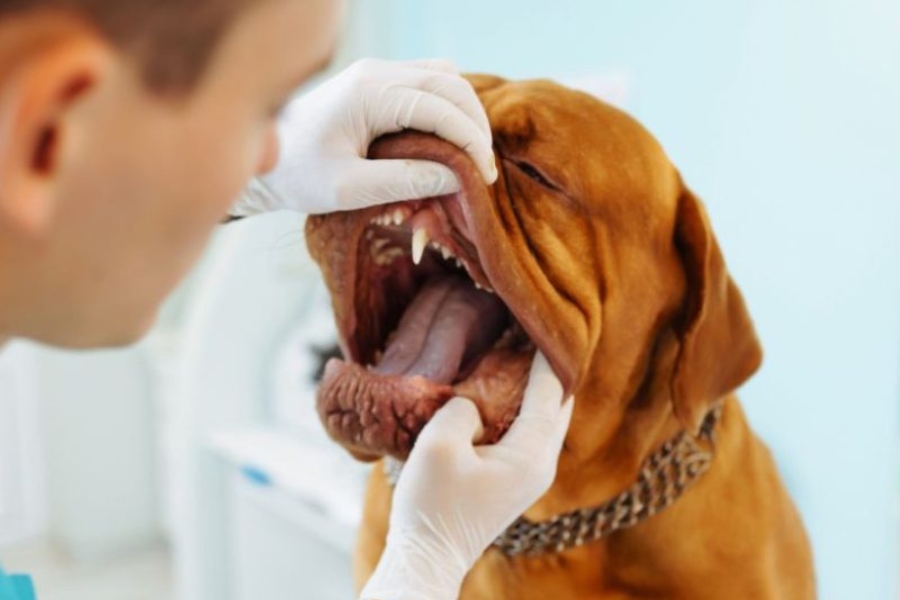
During these visits, your vet will examine your pet’s teeth and gums and recommend cleanings when necessary.
Professional dental cleanings often involve scaling, polishing, and sometimes X-rays. These services are especially helpful in identifying hidden issues like infections or bone loss.
If you’re looking for Pet Dental Care in Hartsdale, NY, ensure your clinic offers full-service dental exams and cleanings under safe anesthesia.
5. Watch for Warning Signs
Pets are masters at hiding pain. Therefore, it’s important to watch for signs that may indicate dental issues. Be alert for the following symptoms:
- Bad breath that doesn’t go away
- Drooling or difficulty chewing
- Swollen or bleeding gums
- Yellow or brown teeth
- Pawing at the mouth or face
If you notice any of these signs, don’t delay—schedule a veterinary appointment promptly.
6. Feed a Tooth-Friendly Diet
Diet plays a key role in dental health. Certain dry foods are designed to scrape plaque off teeth as your pet chews. Some even contain enzymes that help control bacteria in the mouth.
Avoid sticky or overly soft foods that cling to the teeth. If you’re unsure, ask your vet for diet recommendations suited to your pet’s breed, age, and size.
7. Start Early—Puppies and Kittens Too!
It’s never too early to begin dental care. The younger your pet is, the easier it will be to establish a lifelong habit. Brushing and handling your pet’s mouth during their early months builds trust and comfort.
Puppies and kittens often lose their baby teeth by 6 months, so that’s a great time to start a routine. Training them early means fewer battles—and better oral health for life.
8. Natural Additions That Help
In addition to brushing and vet care, there are natural methods to promote dental hygiene. Additives for drinking water, coconut oil, or parsley can help freshen breath and reduce bacteria.
However, always consult your vet before introducing anything new into your pet’s diet or routine. What works for one pet may not suit another.
Maintaining your pet’s dental hygiene doesn’t have to be a chore. With just a bit of effort, a dash of consistency, and a handful of clever tools, you can keep those pearly whites shining and those tails happily wagging.
Dental care is a key part of your pet’s overall well-being. Not only does it prevent pain and disease, but it also adds years to their life and joy to yours. So, grab that toothbrush, toss a dental toy, and smile—because your pet will too.