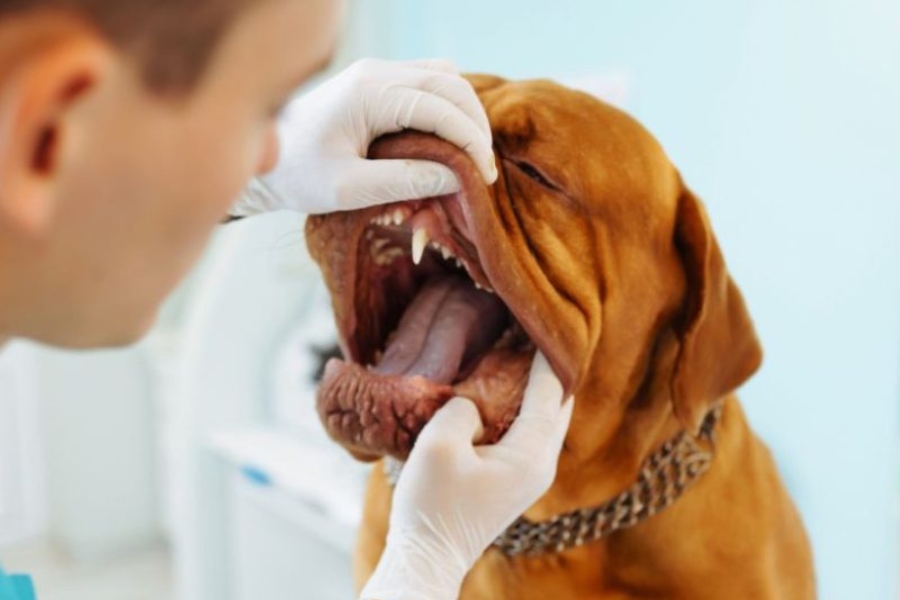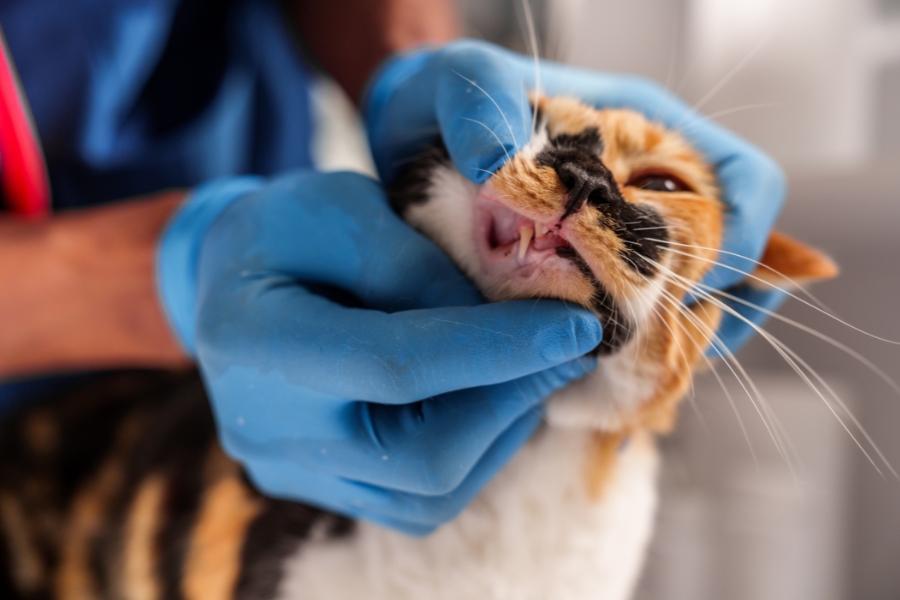
As a cat owner in Hartsdale, NY, it’s easy to focus on the more visible aspects of your pet’s health—like their coat or their playful personality—but one critical area that’s often overlooked is dental health. Did you know that dental disease is one of the most common health problems in cats? In fact, many cats develop dental issues by the age of three, and these issues can lead to more serious problems, such as gum disease, tooth loss, and infections that affect other organs.
Maintaining good cat dental care is essential for your feline’s overall health. In this blog, we’ll explore some practical tips for keeping your cat’s teeth clean and healthy, which will help them live a longer, happier life.
1. Start Early: Introduce Dental Care as a Kitten
The earlier you start taking care of your cat’s teeth, the better. Kittens, like human babies, are more adaptable when it comes to new habits. If you start cleaning their teeth early, they’ll be more accepting of regular dental care as they grow older. Use kitten-friendly toothbrushes and toothpaste, and begin gently brushing their teeth a few times a week. This early introduction to cat dental care will help prevent the buildup of plaque and tartar, which can lead to dental disease in the future.
2. Brush Your Cat’s Teeth Regularly
Brushing your cat’s teeth is the most effective way to prevent dental problems. While it may seem challenging at first, most cats can adapt to regular brushing with patience and consistency.
Here are some tips to help you brush your cat’s teeth:
- Use cat-specific toothpaste: Never use human toothpaste, as it contains ingredients that are harmful to cats. Instead, purchase toothpaste formulated specifically for felines, which usually comes in flavors like poultry or fish that cats enjoy.
- Get the right brush: Choose a toothbrush designed for cats. You can use a soft-bristled toothbrush or a finger brush, which may be more comfortable for your cat.
- Make it a routine: Start slowly, gently massaging your cat’s gums before brushing. Gradually introduce brushing to avoid stress, and aim for brushing at least two to three times a week for the best results.
3. Offer Dental-Friendly Cat Food
Diet plays a significant role in maintaining your cat’s dental health. Some commercial cat foods are designed to help clean teeth by reducing plaque buildup. These foods have a larger kibble size or are formulated with enzymes that help prevent tartar formation. While dry food alone cannot replace regular brushing, adding it to your cat’s diet can provide additional support for their dental hygiene.
You can also look for dental treats that are designed to help scrape plaque and tartar off your cat’s teeth as they chew. However, be mindful of their caloric intake and choose treats that complement their overall diet.
4. Provide Dental Toys and Chews
Chewing is a natural behavior for cats, and providing them with the right chews can support their dental care. Dental toys and chews are designed to stimulate your cat’s natural chewing instincts while promoting healthy teeth. Rubber toys or specially designed chew sticks can help scrape away plaque as your cat chews. Make sure the toys are safe and appropriately sized for your cat, so they don’t pose a choking hazard.
Additionally, offering a variety of textures for your cat to chew on can be mentally stimulating and help with stress reduction, which contributes to overall health.
5. Regular Vet Checkups and Dental Cleanings
Even with diligent home care, professional dental cleanings by a veterinarian are essential for your cat’s oral health. Just like humans, cats need a thorough cleaning to remove tartar buildup that regular brushing can’t reach. Dental cleanings are typically done under general anesthesia, allowing the vet to clean your cat’s teeth thoroughly and inspect their gums for signs of disease.
Your veterinarian will also check for early signs of dental disease and recommend any necessary treatments. In Hartsdale, NY, we recommend scheduling dental checkups at least once a year for senior cats and more frequently if dental problems are detected.
6. Watch for Signs of Dental Problems
Being proactive about your cat’s dental health means recognizing the signs of dental issues early. Some common signs of dental disease in cats include:
- Bad breath: While it’s normal for a cat’s breath to have a mild odor, strong, foul-smelling breath is often a sign of infection or gum disease.
- Drooling or difficulty eating: Cats may have trouble eating if their teeth or gums are sore. Watch for signs that your cat is favoring one side of their mouth while eating or having difficulty chewing.
- Red or swollen gums: Inflammation of the gums is a common sign of gingivitis, an early stage of dental disease.
- Discolored or loose teeth: Yellow or brown teeth are a clear indication of plaque or tartar buildup. If your cat’s teeth feel loose, this could be a sign of severe dental disease.
If you notice any of these symptoms, schedule an appointment with your veterinarian right away to prevent further complications.
Proper cat dental care is vital to ensuring your pet’s long-term health and well-being. By incorporating regular brushing, dental-friendly foods, chew toys, and professional cleanings into your cat’s routine, you can help prevent the development of dental disease and other related health problems. In Hartsdale, NY, Hartsdale Veterinary Hospital is here to support you in maintaining your cat’s oral health with expert advice, treatment, and regular dental checkups.
If you’re concerned about your cat’s teeth or need guidance on how to improve their dental care routine, don’t hesitate to contact us today. Our team is committed to providing the best care for your feline friend.