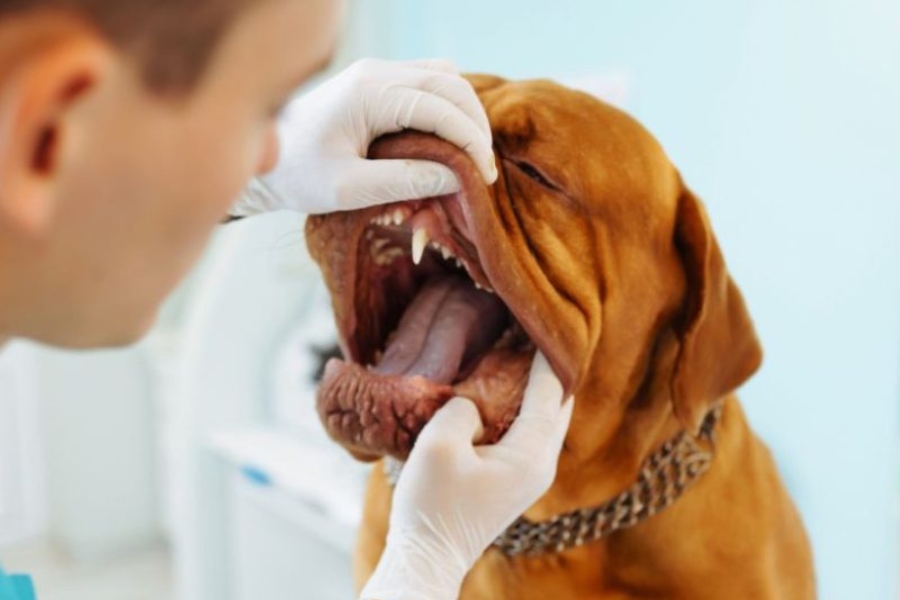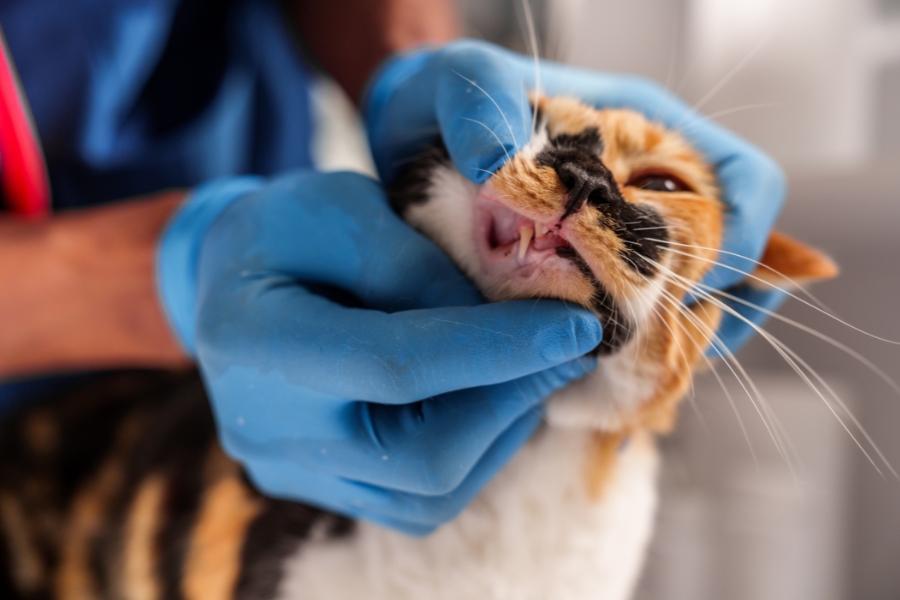
As a pet owner, ensuring your furry friend maintains a healthy smile is just as important as keeping them physically active and mentally stimulated. Dental health is often overlooked in pet care, but poor oral hygiene can lead to serious health issues, including gum disease, tooth loss, and even systemic problems. Fortunately, there are easy and effective ways to maintain your pet’s oral hygiene, such as dental chews and toys.
This blog is especially for pet owners in Hartsdale, NY, who want to learn how dental chews and toys can help prevent common dental issues in dogs and cats. By adding dental chews and toys into your pet’s daily routine, you can significantly reduce the risk of plaque buildup, bad breath, and other dental diseases. In this guide, we’ll explore the importance of dental care for pets, how chews and toys work to support oral health, and tips for choosing the right products for your pet.
Keep reading to discover how easy it can be to maintain your pet’s teeth, all while keeping them entertained and happy.
Why Pet Dental Health is Essential
Dental care is often one of the most neglected aspects of pet care, but it’s one of the most crucial to your pet’s overall health. Just like humans, pets are susceptible to dental issues, including plaque and tartar buildup, gum disease, and tooth decay. If left unchecked, these problems can lead to painful infections, difficulty eating, and more severe health conditions such as heart and kidney disease.
- What’s at stake: Poor oral hygiene can lead to gum disease, which has been linked to other systemic issues, such as heart disease and diabetes.
- Early intervention: Dental diseases often don’t show obvious symptoms until they are advanced, so it’s important to start preventive care as soon as possible.
Using dental chews and toys is an easy, vet-approved way to promote oral health and prevent dental problems. They not only help clean your pet’s teeth but also provide mental stimulation and exercise. It’s a win-win for your pet’s overall well-being!
The Role of Dental Chews and Toys in Pet Oral Health
Dental chews and toys are designed to help keep your pet’s teeth clean by removing plaque and tartar as they chew. These products work by providing resistance that mechanically scrapes plaque off your pet’s teeth, similar to brushing. Here’s why incorporating these items into your pet’s routine can make a big difference:
1. Reduces Plaque and Tartar Build-up
Chewing on dental toys or chews provides natural abrasion that helps scrape off plaque and tartar, preventing buildup that can lead to more serious dental issues. Plaque and tartar can form quickly, so regular use of these chews is an easy way to prevent them from becoming a problem.
2. Promotes Gum Health
By encouraging chewing, dental chews stimulate blood circulation in your pet’s gums, which is essential for keeping them healthy and preventing gum disease. Healthy gums are vital for your pet’s overall oral health and can help reduce the risk of infections and tooth loss.
3. Improves Bad Breath
Pets with poor oral hygiene are more likely to suffer from bad breath, often caused by bacterial buildup in the mouth. Dental chews and toys can help reduce this bacteria, leading to fresher breath for your pet.
4. Provides Mental Stimulation
In addition to supporting oral health, dental chews and toys also offer mental stimulation. Dogs and cats love to chew, and providing them with appropriate items can keep them entertained and reduce boredom and destructive behavior. It’s a great way to engage your pet and encourage healthy habits.
5. Supports Overall Well-Being
Maintaining your pet’s oral health can improve their overall quality of life. Regular use of dental toys and chews can prevent painful dental issues that might impact your pet’s ability to eat, play, or engage with you. Plus, healthy teeth and gums contribute to your pet’s overall happiness and longevity.
Types of Dental Chews and Toys to Support Your Pet’s Teeth
Not all dental chews and toys are created equal. When selecting products for your pet, it’s essential to look for high-quality options that are safe and effective. Below are the most common types of dental chews and toys you should consider:
1. Edible Dental Chews
These chews are designed to be consumed, and they often contain ingredients that support oral health, such as enzymes or probiotics. Edible dental chews are easy for your pet to enjoy, and they typically break down as your pet chews, making them safe to ingest.
- Popular types: Rawhide alternatives, dental bones, and soft chews.
- Best for: Dogs and cats who enjoy chewing and need a more digestible option for their teeth.
2. Rubber or Plastic Dental Toys
These durable toys are designed to withstand heavy chewing and often feature ridged or textured surfaces that help clean teeth. Rubber toys are often used alongside other pet-safe materials, such as nylon or dental gels, to enhance their effectiveness.
- Popular types: Kongs, Nylabones, and rubber rings.
- Best for: Dogs who love to chew vigorously and need a long-lasting toy.
3. Dental Sticks and Bones
Dental sticks and bones are designed to clean your pet’s teeth as they chew. Many of these products are infused with ingredients that help freshen breath and reduce plaque and tartar buildup. These chews can be a great way to provide both oral health benefits and a tasty treat.
- Popular types: Dental sticks, bones, and treats.
- Best for: Dogs and cats who prefer a tasty treat with dental benefits.
4. Interactive Dental Toys
Interactive toys are designed to keep your pet engaged and mentally stimulated while providing dental benefits. These toys are often puzzle-like and encourage pets to work for their treat, combining playtime with oral hygiene.
- Popular types: Treat-dispensing toys, puzzle toys, and interactive dental games.
- Best for: Pets who need both mental stimulation and oral care in one.
Choosing the Right Dental Chew or Toy for Your Pet
Selecting the right dental chew or toy depends on your pet’s size, chewing habits, and specific oral health needs. Here are some key factors to consider when choosing a product:
1. Size and Chewing Strength
Make sure to select a chew or toy that is appropriately sized for your pet. Toys and chews that are too small may pose a choking hazard, while those that are too large may be difficult for your pet to handle. Consider your pet’s chewing strength as well—if they’re a heavy chewer, opt for durable materials that can withstand the pressure.
2. Material Safety
Look for chews and toys made from pet-safe materials. Some materials, like rawhide, can be harmful to pets if ingested in large amounts. Rubber, nylon, and natural alternatives are generally safer choices for dental products.
3. Dental Benefits
Not all chews are designed to clean your pet’s teeth. When selecting a product, make sure it has been designed with oral health in mind. Look for chews specifically designed to reduce plaque and tartar buildup and improve gum health.
4. Flavor and Appeal
Pets, especially dogs, are more likely to engage with chews and toys that taste good. Choose dental chews and toys that your pet finds tasty, as this will encourage them to use them regularly. Be mindful of your pet’s dietary restrictions when choosing flavored options.
The Impact of Regular Use of Dental Chews and Toys
Incorporating dental chews and toys into your pet’s daily routine can have long-lasting effects on their oral health. Here’s how regular use of these products can benefit your pet:
1. Health Benefits
- Reduced plaque and tartar buildup: Regular use of dental chews and toys helps prevent plaque from turning into tartar, which can lead to gum disease and tooth loss.
- Improved gum health: Chewing stimulates gums and promotes circulation, which helps keep your pet’s gums healthy and free from infections.
- Healthier teeth and fresher breath: Dental products help keep teeth clean and breath fresh, leading to fewer oral health issues overall.
2. Long-Term Outcomes
The long-term benefits of maintaining your pet’s oral health include reduced risk of gum disease, tooth loss, and more serious health conditions such as heart disease. By incorporating dental chews and toys into your pet’s routine, you are setting them up for a lifetime of good oral health.
3. Prevention of Pain and Discomfort
Dental issues such as gum disease can cause significant pain for your pet. By keeping their teeth clean and their gums healthy with regular oral care, you can help prevent the discomfort associated with dental disease.
Keep Your Pet’s Smile Healthy
Maintaining your pet’s oral health is essential to their overall well-being. Regular use of dental chews and toys can help prevent common dental issues like plaque buildup, gum disease, and bad breath, while also providing mental stimulation and entertainment. By selecting the right dental products and incorporating them into your pet’s routine, you can ensure that their teeth remain strong and healthy.
If you’re in Hartsdale and need help managing your pet’s dental health, book an appointment with Hartsdale Veterinary Hospital. We offer professional dental care services to keep your pet’s teeth clean and healthy, along with insightful advice on the best products for your pet’s oral health.
If your pet is due for a dental checkup or if you’re concerned about their oral health, don’t wait. Contact our team, who are here to help you keep your pet’s smile bright and their teeth healthy.
FAQs
1. How often should I give my pet dental chews?
You can give your pet dental chews daily or several times a week, depending on their chewing habits and the product’s guidelines. Consistency is key to maintaining good oral hygiene.
2. Are all dental chews safe for my pet?
Not all dental chews are safe. Always choose products made from pet-safe materials, and avoid chews that could break into small pieces or be swallowed whole.
3. Can dental toys replace regular brushing?
While dental chews and toys are helpful, they should not replace regular brushing. It’s important to brush your pet’s teeth regularly for optimal oral health.
4. What signs should I look for if my pet has dental issues?
Signs of dental issues include bad breath, red or swollen gums, difficulty eating, or pawing at the mouth. If you notice any of these symptoms, consult your vet.
5. How do dental chews help with my pet’s bad breath?
Dental chews help remove bacteria from your pet’s mouth, which is the primary cause of bad breath. They also promote saliva production, which helps cleanse the mouth.
6. Are dental chews suitable for puppies or kittens?
Yes, but make sure to choose age-appropriate chews. Puppies and kittens have softer teeth, so opt for gentler chews until their adult teeth come in.